For years, additive manufacturing was synonymous with tinkering. You spent more time calibrating axes and unclogging nozzles than actually creating. However, the technology has matured. If you want results rather than a maintenance project, you need specific features. Finding a resin printer that works out of the box is now a reality for professionals.
The Core Reliability Metrics
When searching for the best resin 3d printer, reliability must top the spec sheet. You want a machine that prints successfully overnight, every time. This requires a shift in how we evaluate hardware. It is not about peak speed; it is about repeatability.
To avoid constant troubleshooting, look for machines that remove variables from the equation. The goal is a “set it and forget it” workflow. If you have to constantly tweak settings for every single print, or worry about whether a 20-hour job will complete, the machine is not doing its job.
Mechanical and Environmental Control
Troubleshooting often stems from invisible variables like temperature fluctuations or micro-vibrations. High-end machines actively manage these factors to ensure consistency.
Thermal Consistency Systems
Resin viscosity changes drastically with temperature. A cold workshop is the primary culprit for delamination and adhesion failure. A professional resin 3d printer should feature an integrated heating system. By maintaining the resin vat at an optimal temperature, the machine ensures consistent flow and curing rates. This eliminates the need for external heaters or modifying exposure settings based on the weather.
Industrial Z-Axis Rigidity
Layer shifting and “Z-wobble” are nightmares to diagnose. They often require disassembling the entire motion system. To avoid this, prioritize printers built with dual linear rails and ball screws rather than cheap lead screws. A rigid chassis absorbs the significant peel forces generated during printing, ensuring that every layer aligns perfectly without user calibration.
Automated Calibration Systems
The days of sliding a piece of paper between the screen and the build plate should be over. Manual leveling is the primary cause of adhesion failure.
Auto-Leveling Capabilities
A modern resin 3d printer should handle leveling automatically. Look for systems that utilize strain gauges or advanced optical sensors to map the build surface. The machine must detect the zero-point with micron-level precision. If a printer requires you to loosen screws and manually align the plate, you will eventually face leveling issues.
Intelligent Light Uniformity
Light engines degrade over time or suffer from uneven distribution. The best 3d printer options use algorithms and high-quality optics to compensate for light intensity variations. This ensures the center and corners of the build plate cure at the exact same rate. This consistency prevents warped parts without requiring user intervention or complex exposure compensation.
Dynamic Peel Force Monitoring
Advanced systems now include sensors that monitor the force required to separate the cured layer from the film. If the force is too high, the machine slows down the lift speed automatically to prevent the print from ripping apart. This real-time feedback loop is a game-changer for printing delicate geometries.
Ecosystem and Software Integration
Hardware is only half the battle. A fragmented workflow drastically increases failure rates. Using a generic slicer with community-made profiles is often a recipe for disaster.
Proprietary slicing software usually outperforms third-party options because the settings are tuned for the specific machine. The software knows the hardware limitations.
- Smart Support Algorithms: The software should generate supports that are optimized for the machine’s specific peel forces, reducing the risk of support failure.
- Cloud Monitoring: Remote control capabilities allow you to pause failures before they waste material.
- Pre-configured Profiles: The best 3d printer ecosystem provides lab-tested material parameters, effectively eliminating trial and error.
High-end manufacturers now treat the slicer, printer, and resin as a single cohesive unit. This integration reduces the variables you need to manage, drastically lowering the failure rate.
The Post-Processing Reality
Resin printing is inherently messy. The “troubleshooting” often happens after the print is done. Sticky resin and chemical fumes are standard complaints that drive users away.
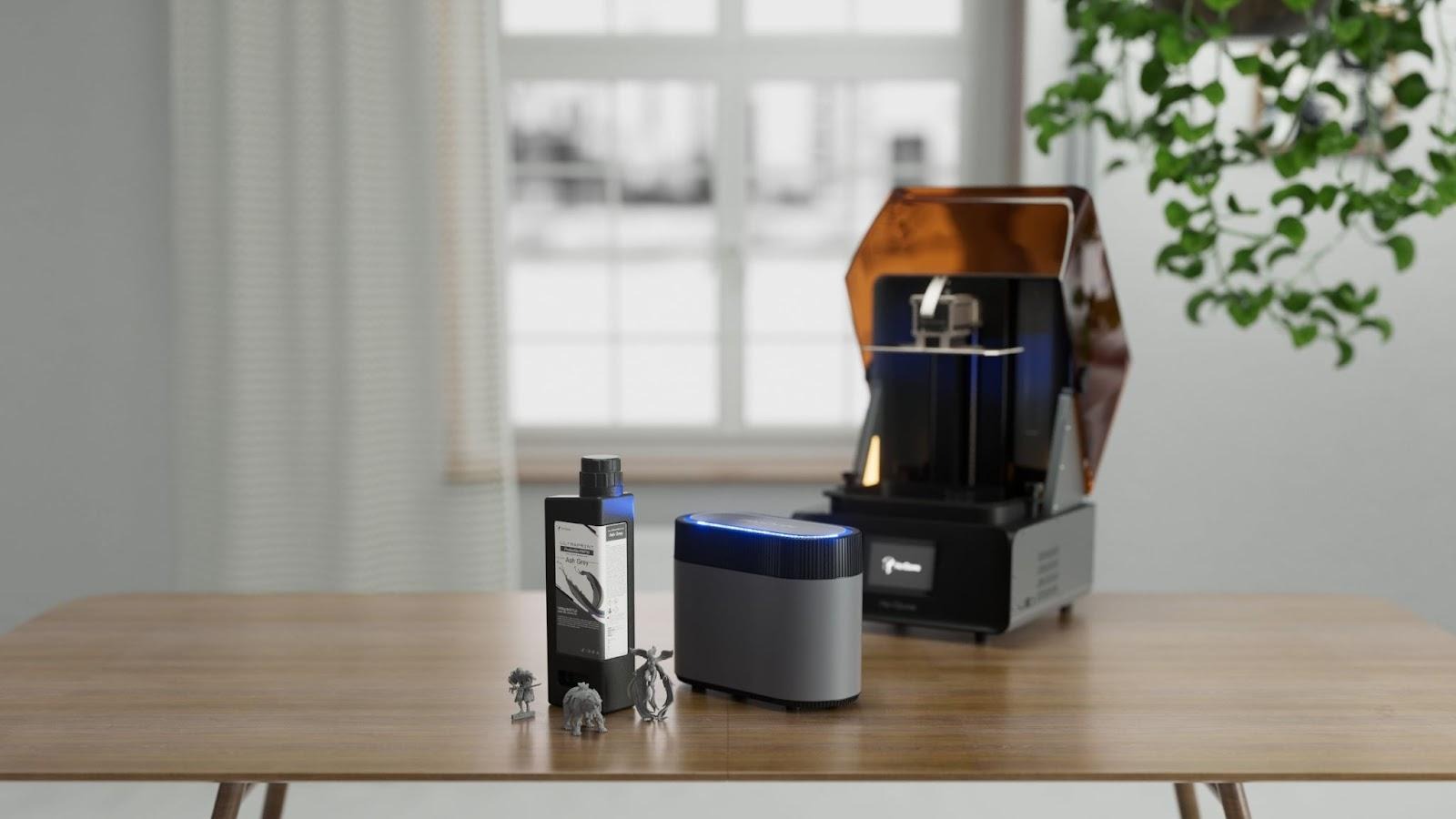
To minimize headache, look for automated washing and curing stations that integrate with the printer. A standalone resin 3d printer is less valuable than a full system.
The best 3d printer setup minimizes human contact with uncured chemicals. Automated separation of the part from the build plate is a feature worth paying for. It saves time and keeps your workspace clean.
Conclusion
Stop fixing machines and start making parts. If a machine requires constant tinkering, it is a prototype, not a production tool. Prioritize automation, thermal management, software integration, and streamlined post-processing. Whether you are looking for a resin 3d printer or a different technology, the best 3d printer is the one you rarely have to think about.