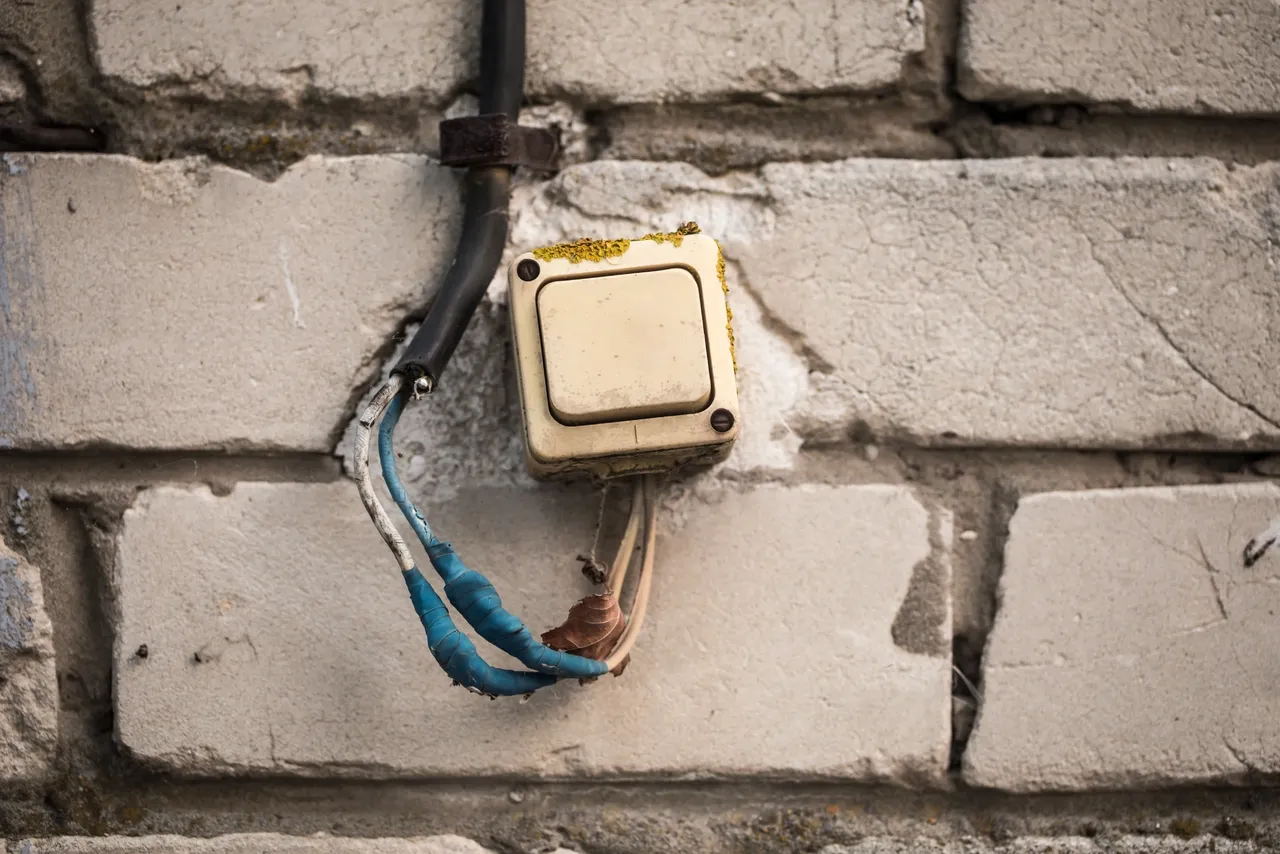
Living in an older home comes with a unique character that newer construction often lacks. The craftsmanship, the architectural details, and the sense of history create an atmosphere that many homeowners cherish. Yet these beloved properties also carry lessons that only emerge through daily experience. Among the most valuable of these lessons involves understanding how aging electrical systems behave and what awareness they demand from the people who live with them
Older homes were built during eras when electrical demands looked vastly different. A household in 1960 might have operated a refrigerator, a television, a few lamps, and perhaps a window air conditioning unit. The electrical infrastructure of that time was designed accordingly. Fast forward to today, and the average home contains dozens of devices drawing power simultaneously. Computers, charging stations, kitchen appliances, entertainment systems, and climate control all compete for energy through wiring that never anticipated such loads.
This mismatch between original capacity and modern demand forms the first lesson homeowners learn. Circuits that once handled a home’s needs with ease may now strain under everyday use. The signs are subtle at first. A light flickers when the microwave runs. A breaker trips during holiday gatherings when extra cooking appliances come out. These small moments teach residents to pay attention to patterns rather than dismiss them as random occurrences.
Awareness becomes a daily practice in older homes. Homeowners learn to notice which outlets feel warm to the touch and which circuits seem more temperamental than others. They develop mental maps of their electrical systems, understanding which rooms share circuits and how demand spreads across the house. This knowledge does not come from manuals or inspections alone. It grows from living within the space and observing how the home responds to use.
Planning takes on greater importance when electrical capacity has limits. Residents of older homes learn to think ahead about how they use power. Running the dryer while cooking dinner might trip a breaker, so they adjust their schedules. Hosting a party means considering where guests will plug in phone chargers and whether the entertainment system and extra lighting will strain the circuits. This kind of forethought becomes second nature over time.
The age of wiring materials also teaches homeowners about the importance of professional evaluation. Homes built before 1970 may contain wiring types that were standard for their era but are now recognized as potential concerns. Aluminum wiring, knob and tube systems, and outdated panel configurations all carry specific considerations that homeowners gradually learn to recognize. Many residents find themselves researching local expertise, searching phrases like weatherford electrician when they want to understand whether their observations warrant a professional opinion on safety.
Temperature fluctuations in older homes add another layer to electrical awareness. Wiring that runs through uninsulated spaces experiences expansion and contraction with seasonal changes. Connections can loosen over decades of thermal cycling. Homeowners in older properties often notice that certain electrical quirks appear more frequently in extreme weather, whether summer heat or winter cold. These patterns reinforce the value of seasonal attention to how the home performs.
Documentation becomes precious in older homes where original plans may not exist. Homeowners learn to keep records of any electrical work performed, creating a history that future residents will appreciate. They note which circuits serve which areas, what the amperage of each breaker is, and when various components were last examined. This documentation habit serves both immediate practical needs and long term planning.
Insurance considerations also emerge as a lesson for older home residents. Policies may have specific requirements or exclusions related to electrical system age. Homeowners discover that maintaining awareness of their systems involves more than physical observation. It extends to understanding how their coverage relates to their home’s infrastructure and what documentation insurers may request.
The psychological aspect of living with aging systems deserves mention as well. Older homes teach patience and acceptance alongside vigilance. Not every flicker signals disaster. Not every warm outlet indicates imminent danger. Homeowners develop judgment about what warrants immediate attention versus what simply reflects the nature of older infrastructure. This discernment takes time to cultivate and represents a genuine form of home literacy.
Safety habits form organically in these environments. Residents learn never to overload outlets with multiple adapters. They understand the importance of keeping combustible materials away from electrical panels. They check smoke detectors more conscientiously because they recognize that older wiring demands extra caution. These behaviors become automatic, woven into the fabric of daily life.
Children growing up in older homes absorb these lessons as well. They learn that homes require attention and care. They see their parents checking the breaker panel after a trip or discussing which appliances to use when. This early education in home awareness carries forward into their own future as homeowners or renters.
The community of older home ownership provides support and shared wisdom. Neighbors who have lived in similar vintage properties exchange observations and experiences. Online forums dedicated to historic home maintenance offer perspectives from across the country. This collective knowledge reminds homeowners that their experiences fit into a larger pattern of learning to live thoughtfully within older structures.
Perhaps the deepest lesson involves respect. Older homes have sheltered generations before the current residents arrived. The electrical systems that still function after fifty or seventy years deserve recognition for their durability even as they require attention for their age. Living with these systems cultivates an appreciation for infrastructure that often goes unnoticed in newer homes where everything simply works as expected.
The relationship between homeowner and older home is ultimately one of mutual care. The home provides shelter, character, and connection to history. The resident provides attention, maintenance, and thoughtful use. Within this relationship, aging electrical systems serve as a constant teacher, reminding those who live with them that awareness and planning transform potential challenges into manageable realities.