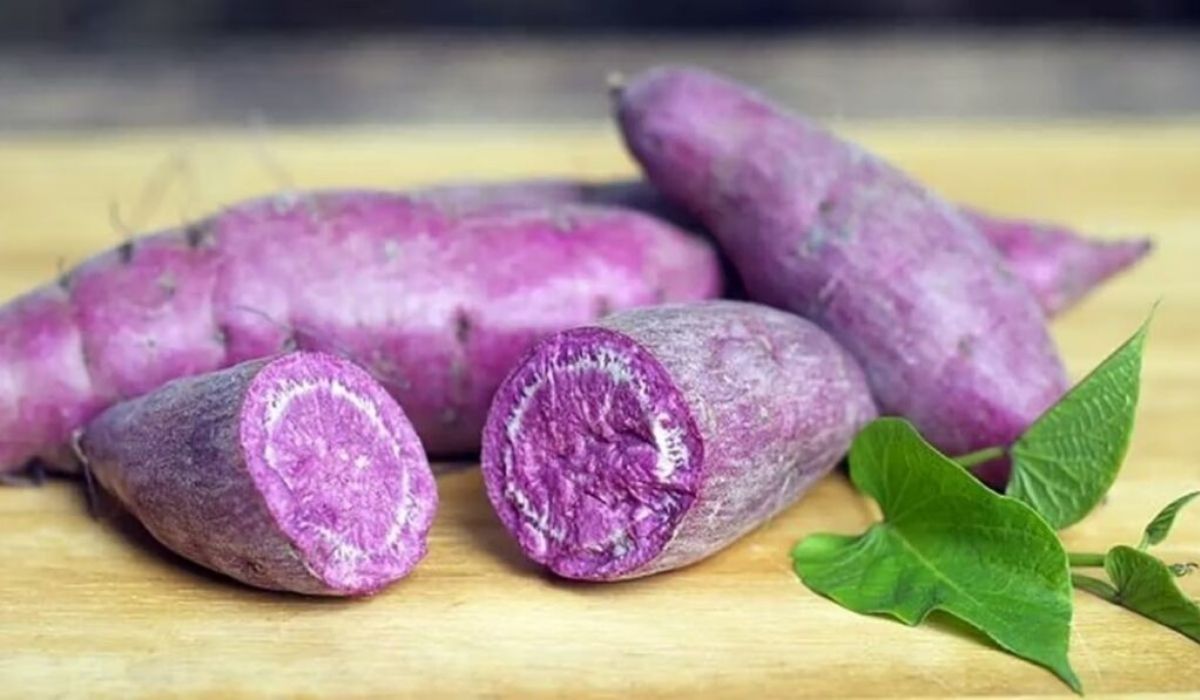
what is ube taste like, also known as purple yam, has become a popular ingredient in many cuisines, particularly Filipino desserts. For those unfamiliar with it, the first question often asked is: what is ube taste like? The flavor of ube is unique, offering a combination of subtle sweetness, earthy undertones, and a creamy texture that makes it versatile in both sweet and savory dishes. Its vibrant purple color not only adds visual appeal but also enhances the overall experience of any recipe. Understanding what is ube taste like is key to appreciating its growing popularity in international kitchens.
The Flavor Profile of Ube
When exploring what is ube taste like, it is important to note that ube is not overpoweringly sweet. Its natural flavor is gentle, reminiscent of a combination of sweet potato and vanilla with mild nutty undertones. This makes it ideal for pairing with other ingredients without overwhelming the palate. The taste is often described as creamy, earthy, and slightly floral, which gives desserts like ube halaya, cakes, and ice creams a distinctive depth. Learning what is ube taste like allows chefs and home cooks to incorporate it thoughtfully into their recipes, balancing flavors for a harmonious dish.
Ube in Traditional Filipino Cuisine

Ube has been a staple in Filipino cuisine for generations. Its presence in traditional desserts, such as ube halaya or leche flan with ube, illustrates its versatility and unique flavor. These classic recipes highlight the natural sweetness and smooth texture of the yam. Understanding what is ube taste like in these contexts helps culinary enthusiasts appreciate the cultural significance of the ingredient. By preparing ube traditionally, one can experience its subtle sweetness and earthy notes that have made it a beloved component of celebrations and everyday treats alike.
Modern Applications of Ube
In recent years, ube has gained global recognition, appearing in fusion desserts and modern culinary creations. Pastries, cupcakes, ice creams, and even beverages now feature ube as a key ingredient. Knowing what is ube taste like helps bakers and chefs innovate while maintaining the integrity of its flavor. The yam’s unique taste allows it to blend seamlessly with chocolate, coconut, cream, and other complementary ingredients. By incorporating ube into modern dishes, culinary artists can explore its flavor while introducing international audiences to its delightful profile.
Ube’s Natural Sweetness and Texture
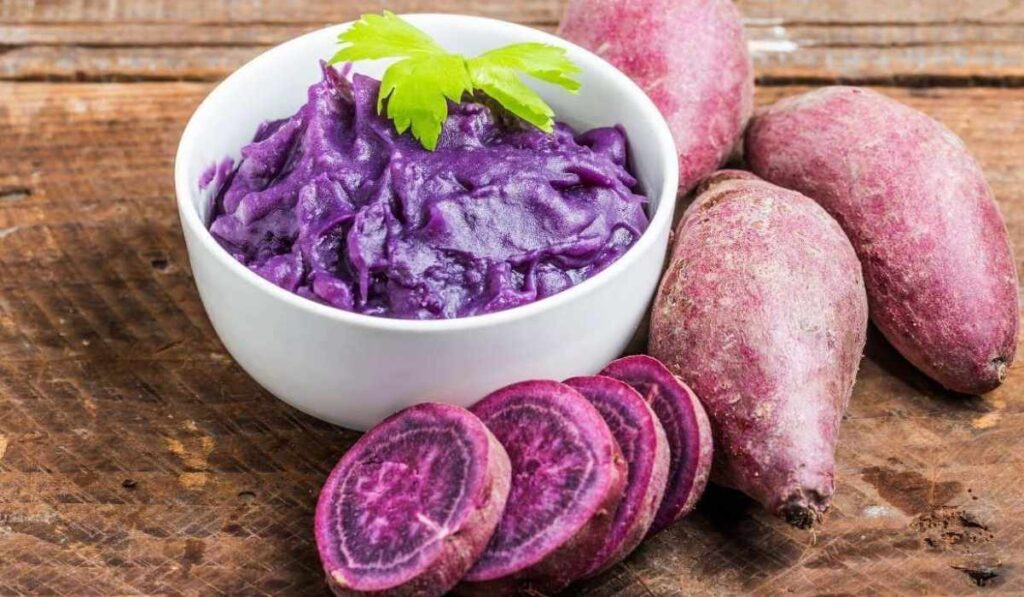
A major aspect of understanding what is ube taste like lies in its natural sweetness and texture. Unlike processed sweeteners, ube provides a subtle, natural sweetness that enhances desserts without being cloying. Its creamy, slightly starchy texture adds body to puddings, ice creams, and fillings, creating a rich mouthfeel that is both satisfying and versatile. Recognizing this characteristic allows home cooks and professionals alike to balance recipes and create dishes that highlight the yam’s natural flavor rather than overpowering it with excessive sugar or additives.
Pairing Ube with Other Ingredients
Knowing what is ube taste like also guides how it can be paired with other ingredients. Coconut milk, condensed milk, and vanilla are traditional companions that enhance ube’s creamy and nutty notes. Chocolate, cream cheese, and citrus elements can complement its subtle sweetness in contemporary recipes. The key is understanding how ube interacts with other flavors to maintain balance in a dish. By experimenting with these pairings, one can create desserts and beverages that not only taste exceptional but also showcase the unique flavor profile of the purple yam.
Ube in International Cuisine
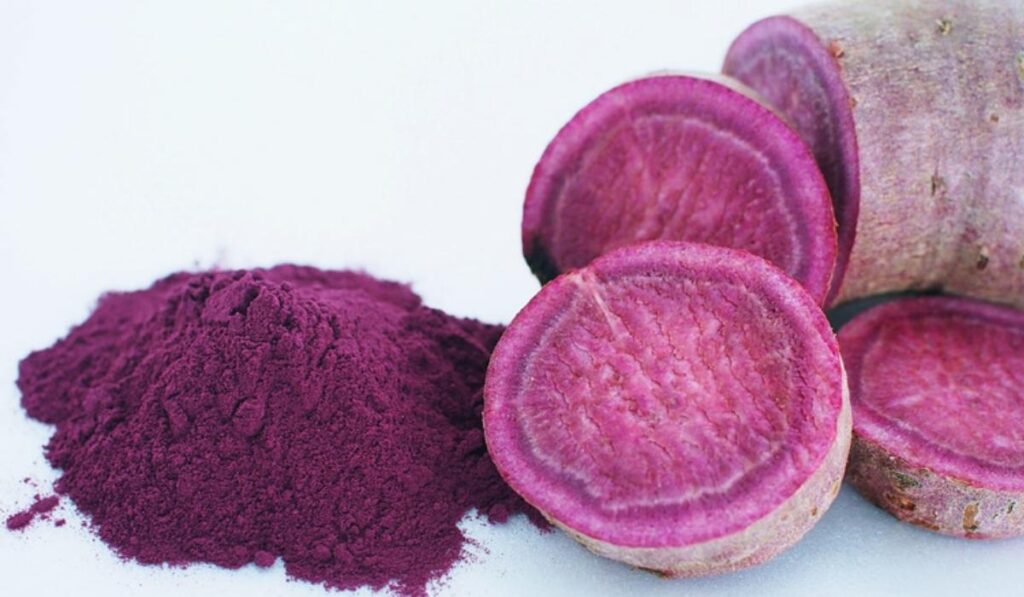
While ube is rooted in Filipino tradition, its popularity has spread worldwide. Chefs and bakers in other countries are exploring what is ube taste like to incorporate it into international pastries, ice creams, and fusion dishes. Its mild sweetness and distinctive color make it visually appealing and flavorful for creative desserts. Learning what is ube taste like allows culinary professionals to adapt recipes from other cultures, creating innovative dishes while preserving the essence of this traditional yam. Ube’s ability to blend into different culinary styles demonstrates its versatility and universal appeal.
Nutritional Benefits of Ube
Understanding what is ube taste like is not only about flavor but also about appreciating its nutritional value. Ube is rich in vitamins, minerals, and antioxidants, making it a healthy addition to desserts and meals. Its natural starch provides energy while its antioxidants support overall health. By incorporating ube into a balanced diet, one can enjoy both its taste and health benefits. Recognizing its natural sweetness and nutritional profile allows chefs and home cooks to create dishes that are indulgent yet mindful of wellbeing, making it a sustainable and enjoyable ingredient.
Cooking Tips for Highlighting Ube’s Flavor
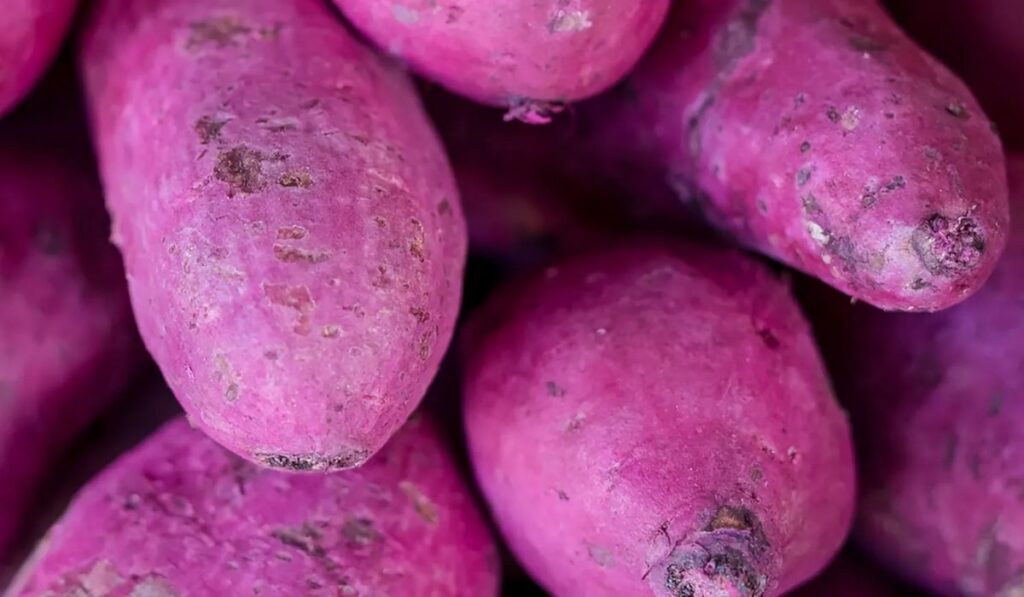
To fully appreciate what is ube taste like, proper preparation is essential. Cooking methods such as steaming, boiling, or baking can preserve its natural flavor while enhancing its creamy texture. Overcooking or adding excessive sweeteners may mask its subtle nuances. Understanding the delicate balance of heat, moisture, and complementary ingredients ensures that the final dish highlights ube’s earthy, sweet, and nutty characteristics. By paying attention to these techniques, one can create authentic desserts, beverages, and even savory dishes that truly showcase the yam’s unique profile.
The Cultural Significance of Ube
Exploring what is ube taste like also provides insight into its cultural importance. Ube is more than an ingredient; it is a symbol of Filipino heritage, commonly used in celebrations, festivals, and family gatherings. Its flavor evokes nostalgia and cultural pride, connecting people to traditions that have been passed down for generations. By understanding its taste, international audiences can appreciate the cultural richness and culinary significance that ube brings to the table. The yam’s unique flavor, color, and versatility make it both a culinary and cultural treasure.
Conclusion
Ube’s distinct taste, combining subtle sweetness, earthy undertones, and creamy texture, has cemented its place in both traditional and modern cuisine. Knowing what is ube taste like allows cooks and chefs to highlight its natural qualities, whether in classic Filipino desserts or innovative fusion dishes. Its versatility, nutritional benefits, and cultural significance make ube a unique and valuable ingredient. From home kitchens to professional bakeries, appreciating the flavor of ube opens the door to countless creative culinary possibilities while celebrating a tradition that has delighted generations.
FAQ
1. What is ube taste like?
- Ube tastes subtly sweet with earthy, creamy, and slightly nutty notes.
2. Is ube naturally sweet or does it need added sugar?
- Ube has a natural sweetness that can be enhanced but does not require excessive sugar.
3. Can ube be used in savory dishes?
- Yes, its mild flavor allows it to complement both sweet and savory recipes.
4. Does cooking affect what is ube taste like?
- Proper cooking preserves its subtle sweetness and creamy texture without masking flavor.
5. How is ube different from other yams or sweet potatoes?
- Ube is distinct for its vibrant purple color, subtle nutty flavor, and creamy consistency.