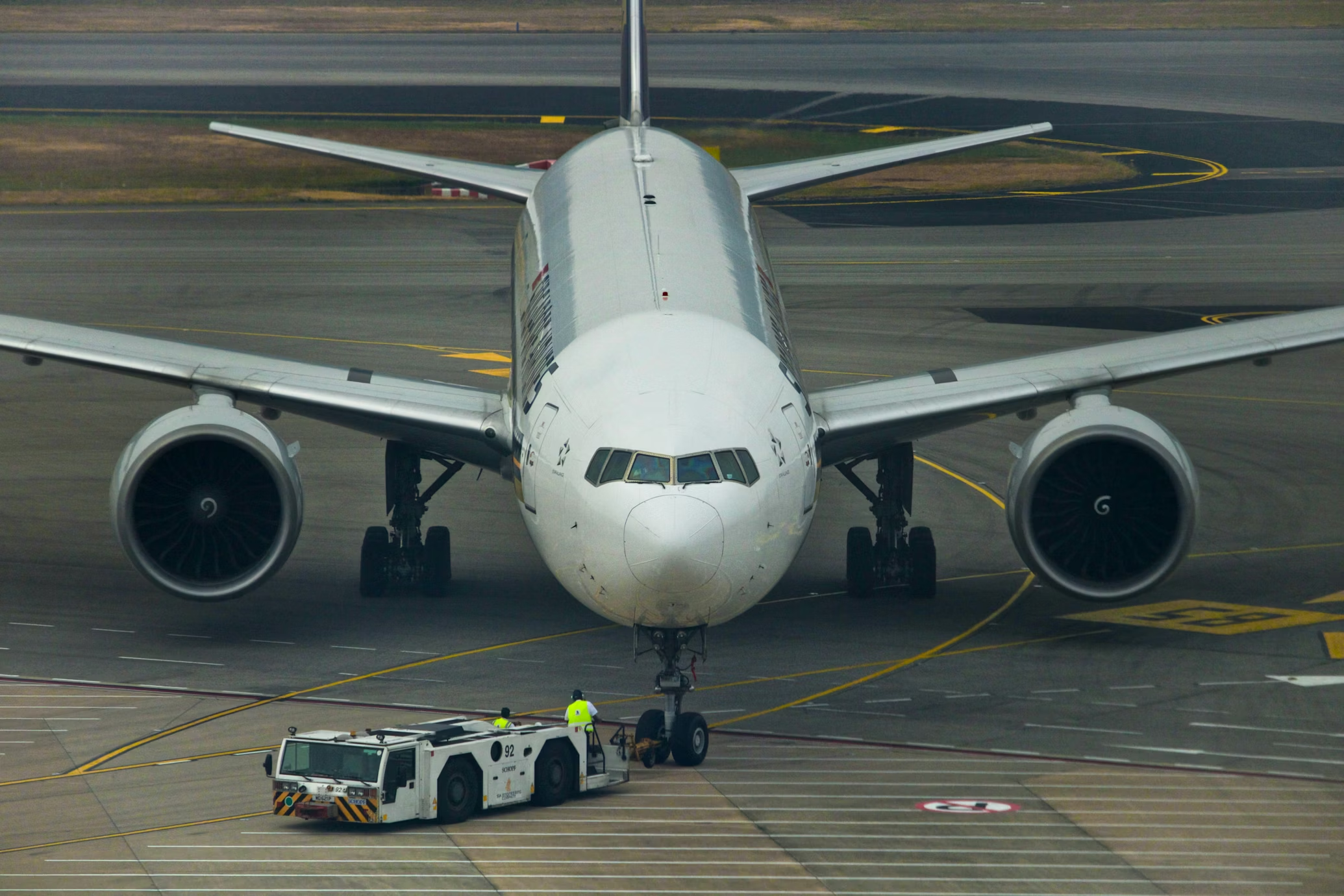
Aircraft tugs serve as indispensable workhorses in the world of ground support equipment, enabling the movement of airplanes when engine operation becomes impractical or unsafe. These specialized vehicles handle diverse tasks, from pushing aircraft back from gates to towing them across expansive stretches of tarmac as they make their way to maintenance hangars or remote parking areas.
This article explains the purpose of aircraft tugs in more detail.
Essential Functions of Aircraft Ground Movement
The rhythmic flow of airport operations depends heavily on aircraft tug capabilities. Pushback operations represent their most visible function, occurring at that crucial moment when planes need to reverse from terminal gates before departure. Aircraft lack the ability to independently reverse, making tugs absolutely vital for initiating departures smoothly and safely. These versatile vehicles also transport aircraft across various distances throughout airport grounds, seamlessly repositioning planes between gates, transporting them to maintenance facilities, and relocating them to overnight parking areas. The precision and control offered by these specialized machines ensure that aircraft movement remains fluid and organized throughout the complex airport environment.
Safety and Operational Advantages
Aircraft tugs introduce substantial safety improvements to ground operations when compared to alternative movement methods. The ability to keep aircraft engines inactive while parked at gates eliminates the dangers associated with powerful jet blast, which poses risks to nearby equipment, vehicles, and terminal infrastructure. The controlled and deliberate movement provided by skilled tug operators ensures precise aircraft positioning, significantly reducing collision risks with buildings, other planes, and ground support equipment scattered across busy ramps. The enhanced visibility advantages become particularly apparent in congested areas where multiple aircraft and vehicles share limited space. Ground crews maintain superior situational awareness when utilizing tugs, allowing them to navigate complex airport environments with greater confidence and security.
Economic Benefits for Airport Operations
The financial advantages of aircraft tugs manifest across multiple aspects of airport economics. The use of tugs instead of aircraft engines for ground movement results in substantial fuel conservation, creating notable cost reductions for airlines managing numerous daily flights. Engine preservation emerges as another valuable benefit, as reduced runtime translates to extended engine life and decreased maintenance requirements. Airports experience improved operational efficiency through enhanced gate utilization, as tugs facilitate swift turnaround times by enabling smooth aircraft transitions to and from terminal positions. The cumulative effect of these benefits contributes significantly to the overall financial health of both airlines and airport facilities.
Improvement in Efficiency in Aircraft Movements
The dynamic environment of an airport demands peak efficiency in all operations. Aircraft tugs play an integral role in ensuring that aircraft movements maintain both speed and safety standards. The implementation of tug operations streamlines the entire process of aircraft relocation, whether moving from gates to runways or into maintenance facilities. These specialized vehicles enable precise control over aircraft positioning, allowing for optimal use of available space and resources. The coordination between tug operators and other ground personnel creates a seamless flow of aircraft traffic, minimizing delays and maximizing operational productivity. Through their reliable performance and versatile capabilities, aircraft tugs continue to enhance the overall efficiency of airport ground operations, contributing to smoother transitions and improved service delivery across all aspects of aircraft movement management.
Wear and Tear Reduction
Aircraft represent intricate machines with countless interconnected components that experience natural deterioration through regular use. The continuous operation of engines during taxiing accelerates the wear on these vital parts, resulting in elevated maintenance requirements and potential scheduling disruptions. Aircraft tugs address this challenge by minimizing the duration of engine operation during ground movements. The implementation of tug-based towing operations reduces the strain on engines and crucial aircraft components. The decreased mechanical stress contributes to extended component lifespans, resulting in fewer repair requirements and reduced part replacements. The long-term benefits materialize through substantial maintenance cost reductions and increased aircraft availability for regular operations. The strategic use of tugs represents an investment in fleet preservation, maintaining aircraft in peak condition for extended periods.
Aircraft Maintenance
The maintenance of aircraft remains fundamental to aviation safety and operational efficiency. Aircraft tugs play a crucial role in supporting both routine and emergency maintenance procedures, ensuring timely and effective aircraft servicing. The versatility of these machines enables seamless aircraft transportation between operational areas and maintenance facilities, regardless of the distance involved. The precision offered by tugs becomes particularly valuable during maintenance procedures, allowing for exact aircraft positioning within maintenance hangars. This accuracy ensures comprehensive access to all aircraft sections, enabling thorough inspections and repairs. The ability to conduct detailed examinations of all aircraft components enhances the quality of maintenance procedures and contributes to overall aviation safety. The controlled movement provided by tugs during maintenance operations eliminates potential risks associated with engine operation in confined spaces. The integration of tugs into comprehensive maintenance strategies enhances both operational efficiency and safety protocols across aviation facilities. The reliable movement capabilities of these machines ensure consistent aircraft accessibility, supporting both scheduled maintenance requirements and unforeseen repair needs. When it comes to aircraft maintenance, aircraft operators might use high-quality LEKTRO aircraft tug parts to help ensure that the tug continues operating.
Conclusion
Aircraft tugs have evolved far beyond their basic function of moving planes, emerging as cornerstone elements in modern airport operations. These specialized vehicles provide essential capabilities, particularly in challenging scenarios such as gate departures and navigating confined hangar spaces. The seamless integration of tugs into daily operations delivers enhanced safety measures while providing substantial economic advantages.
Read My Next Mag