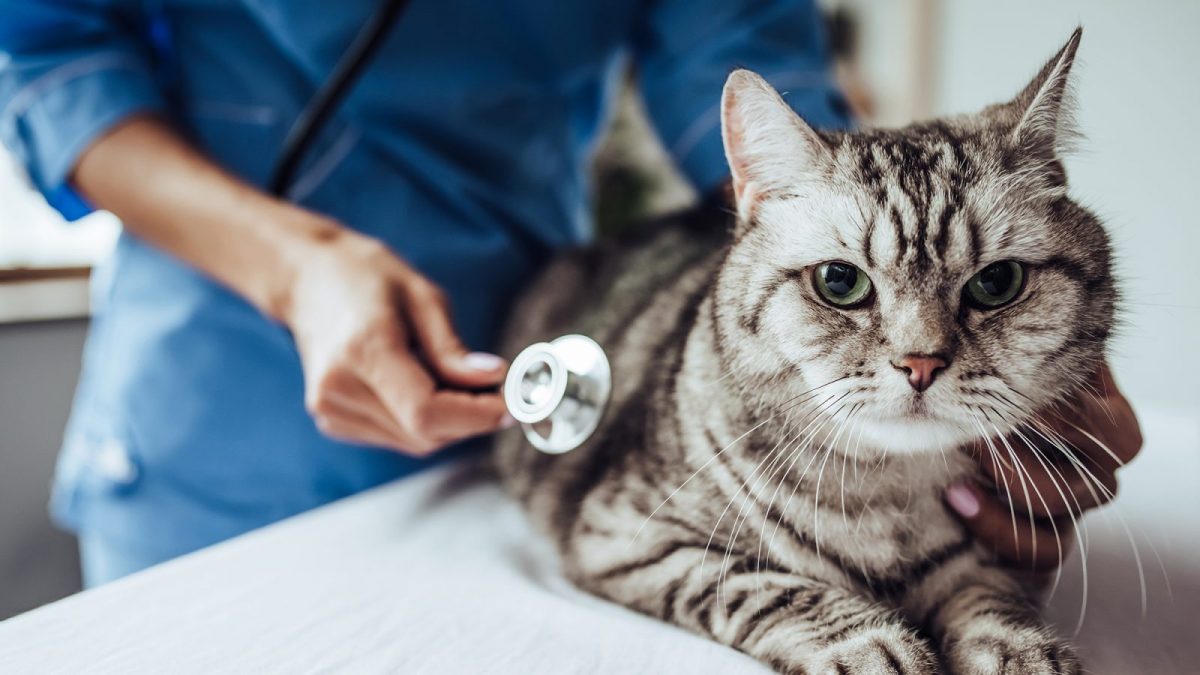
Temporary disability can disrupt a veterinarian’s income, professional responsibilities, and long-term financial stability. Effective veterinarian financial planning prioritizes risk management and income continuity, with disability insurance for veterinarians serving as a core component of this strategy. Here is more information about the process if a veterinarian becomes temporarily disabled:
Temporary Disability Causes
Physical injuries sustained during routine veterinary clinical practice are a common cause of temporary disability. Acute back or shoulder injuries occur while lifting or restraining large animals, and improper positioning during lengthy surgical procedures may result in neck or spinal strain. Farm calls introduce the risk of vehicle accidents, which can lead to fractures or soft-tissue injuries, while wet clinic floors often contribute to wrist, ankle, or knee injuries caused by slips and falls.
Temporary disability may also arise from impaired respiratory or neurological function following exposure to zoonotic diseases. Needlestick injuries can result in infections that require restricted duties or hospitalization, and certain acute illnesses mandate compulsory periods during which clinical work is prohibited. Pregnancy-related complications may limit a veterinarian’s ability to lift, stand for extended periods, or safely work with anesthetic agents.
Income Interruption Effects
Active income generation may cease immediately when a veterinarian becomes temporarily disabled. Clinical veterinary practice depends heavily on physical capability and direct patient care, and revenue typically halts when examinations, treatments, and surgeries cannot be performed. Fixed personal expenses remain unchanged despite the loss of earned income. Housing costs, education loan payments, and insurance premiums continue without reduction, and most veterinarians do not receive employer-sponsored income continuation benefits.
Self-employed veterinarians are especially vulnerable to sudden and complete income loss. Even a short recovery period places significant strain on cash flow reserves. Financial vulnerability often becomes apparent at the very beginning of a disability period, and the most immediate and tangible consequence is income interruption.
Temporary Disability Types
Once a disability occurs, the nature and severity of the limitation determine the veterinarian’s work capacity classification. Total temporary disability applies when veterinary duties cannot be performed safely in any capacity, whereas partial disability exists when some responsibilities can be completed despite medical restrictions. Hand injuries allow a veterinarian to conduct consultations or perform administrative tasks, but prevent surgical procedures. Mobility limitations often restrict farm calls while still permitting limited in-clinic examinations, and neurological symptoms may impair the fine motor skills required for suturing or administering anesthesia. Conditions associated with fatigue can reduce the length of work shifts or limit a veterinarian’s ability to provide emergency coverage.
Insurance Claim Process
After a disability occurs, a standard insurance claims process is initiated. The first step typically requires medical confirmation of work limitations, as the language in disability insurance for veterinarians determines whether a condition qualifies as a disability. Many policies include an elimination period, which delays the benefit payments by several weeks or months. During this time, savings or short-term reserves often need to cover expenses. Providing clear and thorough documentation helps prevent delays in processing.
Some policies also recognize partial disability when a veterinarian is able to perform only a reduced set of duties. Occupational definitions within the policy are key, as they directly influence the outcome of claims. The timing of claim submission may affect financial continuity and stability.
Income Replacement Support
Once approved, monthly benefit payments begin, providing partial income replacement. Rather than matching actual earnings, these payments are typically calculated as a percentage of the veterinarian’s past income. Acting as a paycheck substitute, they help cover ongoing financial obligations, and their predictability is especially valuable during uncertain recovery periods. Benefits under disability insurance for veterinarians can extend for months or even years, depending on the policy’s structure. Some policies adjust payments if limited work is resumed, while others include cost-of-living provisions during prolonged disabilities. This financial support makes it easier to maintain housing, transportation, and insurance expenses, reducing the pressure to return to work prematurely.
Get Disability Insurance for Veterinarians
Temporary disability affects veterinarians’ income and long-term financial planning. Short-term income loss highlights the reliance on physical clinical work, while claim processes determine how quickly financial support begins. Partial income replacement helps stabilize finances during recovery, but personal and professional expenses continue regardless of working status. Without preparation, financial pressure builds quickly, and disability experiences can influence long-term planning decisions. Income protection reduces uncertainty during unavoidable disruptions. Protect your practice and get disability insurance for veterinarians.