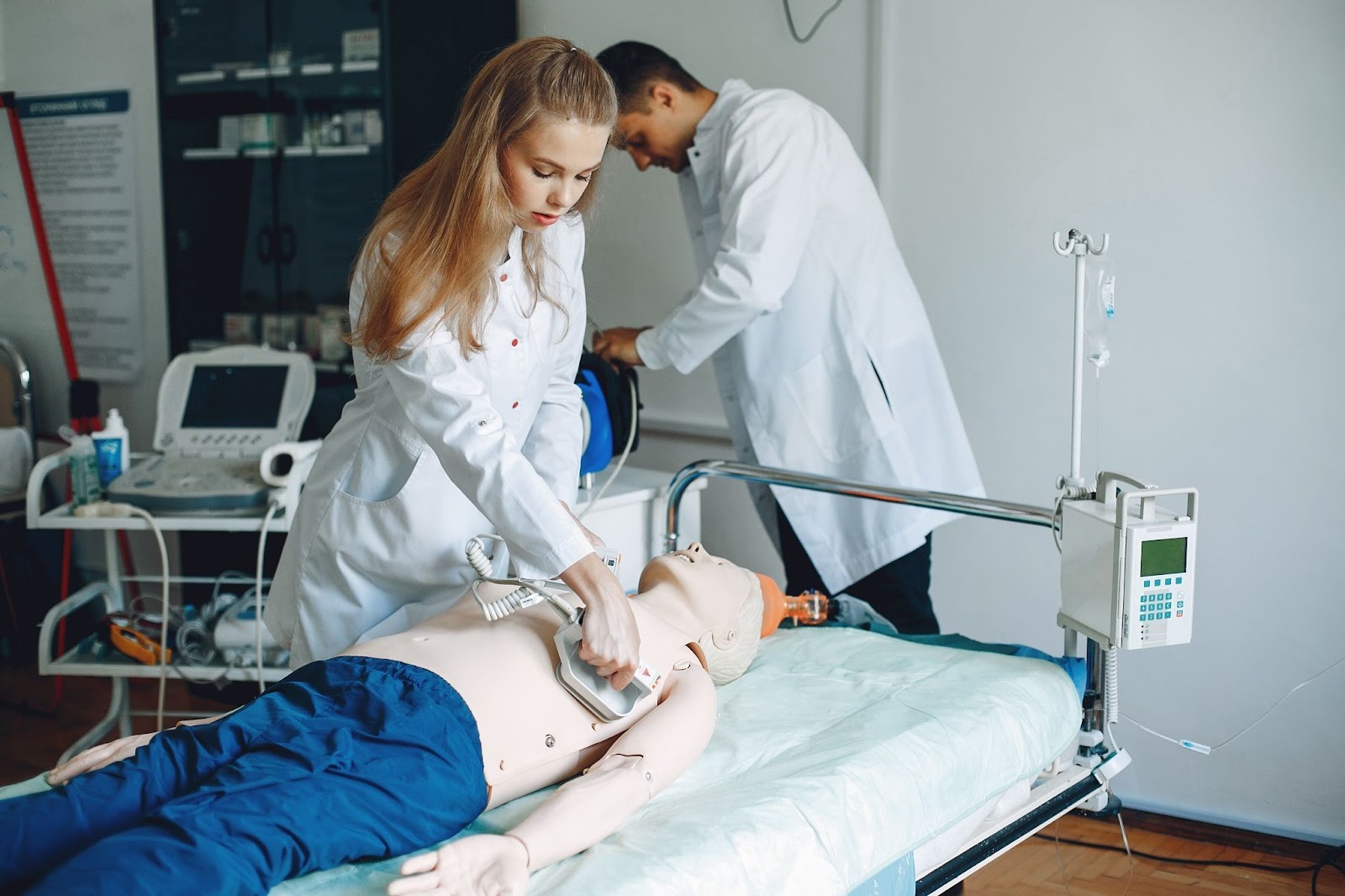
A BLS class is not built around theory alone. It is structured around moments that demand action, often before fear or doubt can take hold. In emergencies where breathing stops or the heart fails, there is rarely time to second guess. Training that focuses on readiness rather than memorization becomes essential, especially for those expected to step in during critical situations.
The first exposure to a BLS Class often surprises students. The emphasis is not on lengthy lectures but on building practical habits that translate into real-world responses. Each skill is practiced with intent, reinforcing muscle memory so actions feel natural under pressure.
A Skill Set Built for Real Scenarios
Basic Life Support training centers on the steps that preserve circulation and oxygen delivery during life threatening events. These skills are relevant across hospitals, clinics, dental offices, fitness centers, and public spaces. The structure of a BLS class reflects situations that providers are most likely to encounter rather than rare edge cases.
Key areas of focus typically include
- Performing high quality chest compressions at the correct depth and rate
- Using an automated external defibrillator quickly and safely
- Recognizing respiratory arrest and providing proper ventilation
- Responding effectively to adult, child, and infant emergencies
This approach ensures that students understand not only what to do, but when and why each action matters.
Confidence That Comes From Repetition
Confidence is one of the most valuable outcomes of a BLS class. Many individuals hesitate during emergencies because they fear making mistakes. Repeated hands-on practice reduces that hesitation. By simulating realistic emergencies, students learn to assess scenes, prioritize actions, and remain calm while delivering care.
Courses that follow American Heart Association guidelines emphasize consistency. Skills are taught using evidence based methods that reflect current standards for CPR and emergency cardiovascular care. This alignment helps healthcare professionals meet employer requirements while ensuring the care they provide is effective and up to date.
Designed for Both New and Experienced Providers
A BLS class serves a wide audience. Aspiring healthcare professionals gain foundational skills early in their careers, while experienced providers use recertification courses to refresh techniques and correct habits that may drift over time. The learning environment supports both groups by blending instruction with scenario based practice.
Instructors guide students through realistic drills that reinforce teamwork and communication. These scenarios mirror the unpredictable nature of emergencies and encourage clear role assignment and rapid decision making.
More Than a Credential
While certification is an important outcome, the deeper value of a BLS class lies in preparedness. The training equips individuals with the ability to recognize emergencies immediately and respond without delay. In moments where every second influences survival, that preparation can change outcomes.
Completing a BLS class means carrying skills that extend beyond the classroom. It reflects a commitment to readiness, responsibility, and the ability to act when others may freeze. That readiness is what turns training into meaningful impact when it matters most.