Key Highlights
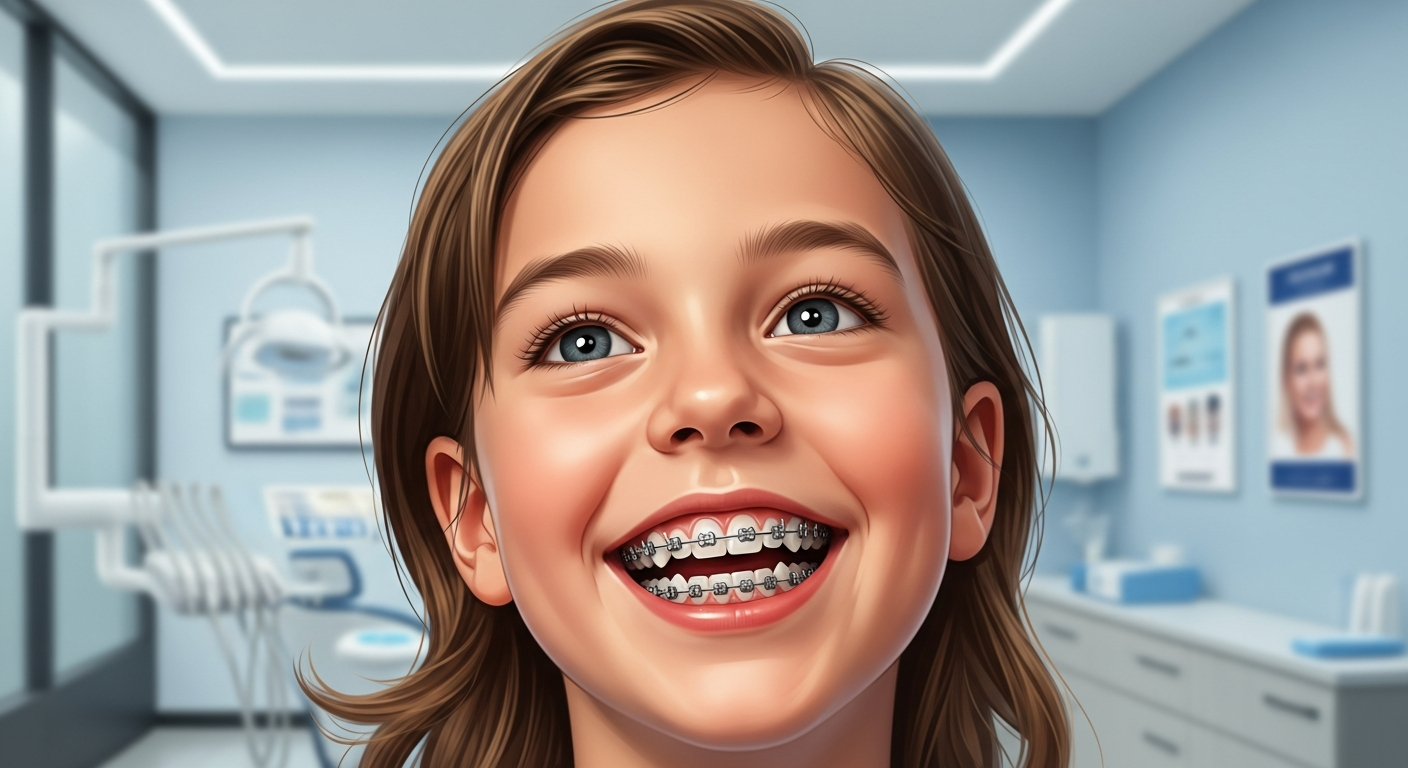
- Early orthodontic treatment provides proactive care to guide your child’s jaw growth and ensure permanent teeth erupt properly.
- Intervention at a young age can prevent more serious dental issues later, potentially reducing the need for more complex orthodontic care.
- A Parramatta orthodontist can identify subtle problems with jaw growth and emerging teeth while your child is still growing.
- Early orthodontic care helps create a healthier environment for your child’s oral health and supports better dental health long-term.
- Scheduling an early evaluation is the first step toward a lifetime of healthy smiles for your child.
Introduction
As a parent, you want the best for your child’s health, including their smile. While orthodontic care is often associated with teens, early treatment can make a big difference. Early intervention addresses potential issues before they worsen. A Parramatta orthodontist can guide your child toward a healthy, confident smile for life.
Early Orthodontic Treatment: What It Means for Your Child
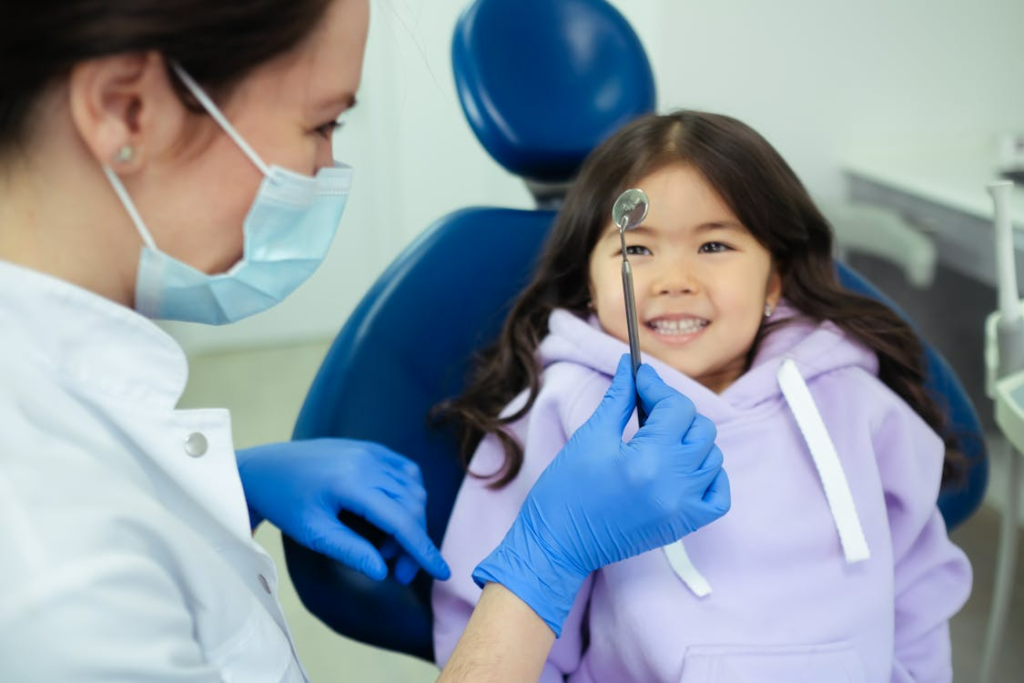
Early orthodontic treatment focuses on timing. By evaluating your child’s teeth and jaw during growth, issues can be caught and corrected early. Instead of braces for every child, this targeted approach guides proper development.
Early intervention can simplify or eliminate the need for extensive treatment later. Working with natural growth, a Parramatta orthodontist helps build a healthier foundation for your child’s future smile and oral health.
Defining Early Orthodontic Care and Interceptive Orthodontics
“Early orthodontic care” and “interceptive orthodontics” refer to the same approach, starting treatment while a child has both baby and permanent teeth. The goal is to catch issues like misalignment or crowding early, using growth spurts to guide jaw development and create space for permanent teeth. This proactive strategy can make any future orthodontic treatment shorter and simpler, promoting a healthy, straight smile.
How Parramatta Orthodontists Approach Early Evaluation
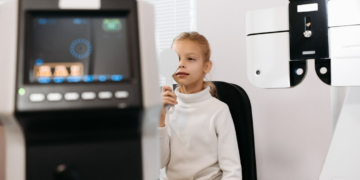
Your journey with a Parramatta orthodontist starts with an early orthodontic evaluation—a simple, comfortable process to assess your child’s dental development. A specialist examines their teeth, jaw, and bite for potential issues.
Early detection is key. We use advanced technology like 3D scanning and in-house X-rays to spot hidden problems and plan.
This evaluation isn’t a commitment to treatment; it’s the first step in your child’s orthodontic care. You receive a personalized plan and valuable information to make informed decisions about your dental health. Most experts recommend this first visit around age seven.
Key Benefits of Starting Treatment Early
Early orthodontic treatment is a proactive way to improve your child’s oral health. By intervening early, specialists can guide jaw and dental development during crucial growth years, leading to simpler, more effective results.
Starting early can make future treatments, like teen braces, shorter and less complicated. It works with your child’s natural growth to build a strong foundation for a healthy smile, offering clear advantages over waiting until all permanent teeth emerge.
Preventing Complicated Dental Issues in the Future
One of the main benefits of early orthodontic intervention is preventing more serious dental problems later. Early detection allows a Parramatta orthodontist to correct issues before they become harder and more expensive to treat.
Delaying treatment until the teen years can lead to problems like severe crowding or overbite becoming more established. Early treatment addresses these issues while the jaw is still growing, often making future care simpler and less invasive.
Early action can help your child avoid:
- Tooth extractions from severe crowding
- More complex, lengthy orthodontic work as a teen
- Potential jaw surgery for significant bite misalignments
Supporting Healthy Jaw Growth and Facial Balance
Early orthodontic care is vital for healthy jaw growth and proper facial development. Childhood is the ideal time, as jawbones are still soft and adaptable. A specialist orthodontist can spot if the jaws are misaligned.
Using appliances like palatal expanders, an orthodontist can gently widen the upper jaw to correct crossbites or relieve crowding. This ensures correct jaw alignment for a proper bite and balanced facial profile.
Guiding jaw growth early improves how teeth fit together, boosting oral function for chewing and speaking. This foundation creates a harmonious bite and lasting smile, supporting your child’s confidence long-term.
Recognizing the Signs Your Child May Need Early Orthodontic Attention
As a parent, you’re best placed to notice changes in your child’s oral health. While some orthodontic issues are obvious, others are subtle. Knowing what to watch for helps you decide when to schedule an orthodontic evaluation. These signs can involve more than just crooked teeth—they may also affect your child’s bite or habits.
Noticing these indicators early allows you to address potential problems before they worsen. If you see any of these signs, it doesn’t always mean your child needs early treatment, but it’s wise to book a check-up with a Parramatta orthodontist.
Common Indicators and When to Schedule a Visit with a Parramatta Orthodontist
Only a specialist orthodontist can determine if orthodontic care is needed, but there are common signs you can watch for at home. These include habits and traits that may signal tooth alignment or jaw development issues.
Red flags include prolonged thumb sucking, which can affect jaw shape and front teeth position, and persistent mouth breathing, which may indicate jaw structure problems.
Consider visiting a Parramatta orthodontist if you notice:
- Difficulty chewing or biting
- Mouth breathing
- Thumb or finger sucking after age five
- Crooked, crowded, or misaligned teeth
- Jaws that shift, make sounds, or seem out of alignment
Age Recommendations for Initial Orthodontic Assessments
Both the Australian Society of Orthodontists and the American Association of Orthodontists recommend an initial orthodontic evaluation by age seven. At this age, children typically have a mix of baby and permanent teeth, making it easier to identify potential issues early.
The first visit is mainly an assessment. Most children won’t need immediate treatment, but an orthodontist can monitor their development and decide if or when intervention is needed.
| Age Guideline | Reason for Evaluation |
| By Age 7 | First permanent molars and incisors are in, allowing bite assessment and detection of crowding or crossbites. |
| During Growth Spurts (8-12) | Ideal time for interceptive treatments as jawbones are still developing and respond well to appliances. |
Treatment Options Available for Young Children in Parramatta
Early orthodontic care for children focuses on minimally invasive treatments. The goal is to address structural issues, not to straighten every tooth. Appliances are customized for your child’s developing mouth.
A Parramatta orthodontist uses various tools and strategies that work with your child’s natural growth. These appliances create space for permanent teeth, correct bite problems, and guide jaw development, ensuring a healthier environment for adult teeth to come in.
Tools and Strategies Used by Parramatta Orthodontists
Early orthodontic treatment uses specialized tools to address developmental issues in young children. Unlike full braces for teenagers, these appliances target specific problems, such as creating space in the jaw or correcting harmful habits.
Our specialist orthodontists in Parramatta may recommend one or more of these common options based on your child’s needs:
- Palatal Expanders: Widen the upper jaw and correct crossbites.
- Space Maintainers: Keep space open for permanent teeth after early loss of baby teeth.
- Partial Braces: Braces on select teeth to fix specific alignment issues.
- Clear Aligners: Modified clear aligners for simple corrections in certain cases.
Typical Timeline and What Families Can Expect
Early orthodontic treatment, or Phase I, typically lasts 9 to 18 months and aims to address specific issues before they worsen, not achieve perfect alignment. Regular appointments every 6–8 weeks are needed for adjustments and progress checks.
After Phase I, there’s usually a resting period when your child may wear a retainer, and the orthodontist monitors ongoing development as permanent teeth erupt.
This early intervention often makes Phase II treatment—usually full braces or aligners during the teen years—shorter and less complex.
Conclusion
In conclusion, early orthodontic treatment with a Parramatta orthodontist can greatly improve your child’s dental health. Addressing issues early helps prevent future complications, supports healthy jaw growth, and promotes balanced facial development. Recognizing signs for evaluation and understanding treatment options are key. With expert guidance, you can help your child achieve a confident smile. Contact our team today to learn how early intervention can make a difference!
Frequently Asked Questions
Is early orthodontic treatment suitable for all children?
Early orthodontic treatment isn’t necessary for every child. A specialist’s evaluation will determine if early intervention is needed. For many, monitoring oral health and growth is best, with orthodontic care starting in the teen years if required.
How does early treatment affect my child’s bite and smile in the long run?
Early treatment guides jaw growth, creating a strong foundation for your child’s teeth. It improves bite and alignment, reducing future risks like excessive tooth wear. The result is a healthier, more confident smile for life.
What’s the difference between early orthodontic treatment and interceptive orthodontics?
There is no difference; the terms are interchangeable. Both refer to orthodontic care for children still growing, aiming to address developing issues and simplify future treatment.