Every home is a major investment that requires consistent attention and care. While many homeowners focus on interior design or energy efficiency, the most vital concern should always be the structure itself. Structural damage can silently develop over time and eventually lead to extensive repairs.
Preventing these issues is far easier and more affordable than correcting them once they appear. Whether your home is newly built or has been standing for decades, understanding how to protect it from structural damage will help preserve its safety, comfort, and value.
In areas such as Maple Grove, MN, where seasonal changes can impact a home’s foundation and exterior, regular maintenance becomes even more important.
Chimney Care: A Critical Element of Structural Stability
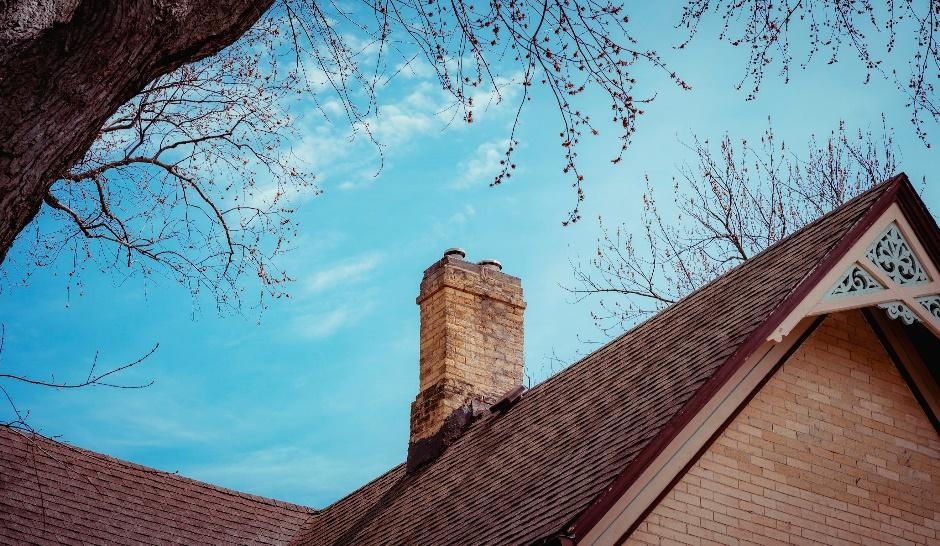
One area often overlooked in home maintenance is the chimney. Although it may appear solid and unchanging, the chimney is one of the most vulnerable parts of a home’s structure. Exposure to rain, snow, heat, and freezing temperatures can cause cracks, leaks, and weakened mortar joints.
Over time, these issues can spread, compromising both the chimney and the surrounding walls. Early signs of trouble include loose bricks, crumbling mortar, or water stains near the fireplace. Addressing these problems quickly is essential to avoid larger issues such as internal leaks or roof damage.
Homeowners who notice any deterioration should seek professional chimney repair in Maple Grove, MN. Specialists have the expertise to identify underlying issues that might not be visible to the untrained eye. They can ensure the chimney is structurally sound and properly sealed, preventing moisture from entering the home’s interior.
Protecting the Foundation
The foundation supports the entire structure of a home, making it one of the most critical components to monitor. Even small cracks or uneven settling can lead to significant structural concerns if left unattended. Foundation damage often begins with soil movement caused by moisture changes, poor drainage, or tree roots growing too close to the house. Water is the biggest threat since excessive moisture can cause soil to expand and contract, exerting pressure on the foundation.
To prevent foundation issues, homeowners should ensure proper drainage around their property. Gutters and downspouts must direct water away from the home, and the surrounding landscape should slope slightly outward. Regularly checking for cracks in basement walls or uneven flooring can also help detect early warning signs.
Roof and Attic Maintenance
A home’s roof plays a key role in shielding it from external elements. When roofing materials deteriorate or become damaged, water can seep into the attic and walls, causing rot and mold. Over time, this moisture intrusion can weaken wooden structures and compromise the entire building’s integrity. Inspecting the roof at least twice a year helps ensure shingles are intact and flashing around vents and chimneys is secure.
The attic should also be checked regularly for any signs of water stains or dampness. Proper ventilation is essential to prevent excess humidity from accumulating, as trapped moisture can lead to wood decay. Homeowners should also ensure insulation is in good condition since it helps maintain temperature balance and prevents condensation.
Managing Moisture and Drainage
Moisture control extends far beyond the foundation. Every part of a home is susceptible to damage if water infiltration is not properly managed. Gutters, downspouts, and drainage systems must be kept clean to allow for free water flow. Blockages can cause water to overflow and pool near the base of the home, which may lead to leaks or erosion.
Interior areas such as basements and crawl spaces should remain dry and well-ventilated. Installing a dehumidifier can help control indoor humidity levels, reducing the chance of mold growth. Regularly inspecting plumbing systems for leaks also prevents water from seeping into walls or flooring.
Maintaining Load-Bearing Walls and Beams
Walls and beams distribute the weight of a home evenly throughout the structure. When these components weaken, the building can experience uneven settling or visible cracks in walls and ceilings. Over time, neglected load-bearing elements can become unsafe. To prevent such issues, homeowners should avoid making structural changes without consulting a qualified professional. Removing or altering load-bearing walls without proper reinforcement can compromise the entire framework.
Regularly checking for sagging ceilings, cracks above doors, or walls that bow inward can reveal underlying problems early. Addressing these issues as soon as they appear is crucial for avoiding expensive structural restoration.
Keeping an Eye on Exterior Walls and Siding
Exterior walls protect the internal structure from wind, water, and temperature fluctuations. Cracks, peeling paint, or bulging siding are not just cosmetic issues but may indicate deeper structural concerns. Small openings can allow water to penetrate the walls, leading to internal damage over time.
Inspecting the exterior regularly helps identify areas where sealing or repairs are needed. Repainting or resealing surfaces at proper intervals maintains their protective barrier. It is also wise to check caulking around windows and doors to ensure there are no gaps that could let in water.
The Importance of Proper Ventilation
Poor ventilation is one of the most common causes of hidden structural damage. Trapped humidity inside a home can cause condensation to form on surfaces, leading to gradual rot and mold. Over time, wooden beams and frames may weaken, compromising the stability of the structure.
Good airflow throughout the home prevents moisture buildup and keeps the indoor environment healthy. Kitchens, bathrooms, and laundry rooms should have adequate ventilation to remove excess humidity. Installing exhaust fans and ensuring air vents remain unobstructed can significantly reduce moisture-related risks.
Regular Inspections and Preventive Maintenance
Preventive maintenance is the simplest way to protect a home from structural damage. Conducting regular inspections allows homeowners to identify small problems before they become large and costly. Areas such as the foundation, roof, attic, and walls should all be checked periodically. Seasonal changes are an ideal time for these evaluations since temperature fluctuations can affect various materials differently.
In addition to visual inspections, scheduling professional assessments every few years ensures that any hidden or developing issues are caught early. Experts can detect subtle signs of deterioration that might go unnoticed by homeowners. This proactive approach not only safeguards the structure but also maintains the home’s value and longevity.
Read More My Next Mag