No one plans a fall. It usually happens in the small moments. Turning too fast in the kitchen. Stepping off a curb you’ve stepped off a hundred times before. Standing up after sitting longer than you meant to. When people talk about fall prevention for older adults, the advice is often loud. Lift weights. Train balance hard. Walk more. Stay active. All good advice. But it can feel a bit blunt.What often gets missed is the quieter work. The kind that doesn’t look like training at all, but slowly changes how the body responds when something unexpected happens. That’s where Pilates For Seniors tends to sit. Not flashy. Not extreme. Just effective in a way that sneaks up on you.
Falls Are Rarely About Strength Alone
It’s tempting to think falls happen because someone is weak.
Sometimes that’s part of it. More often, it’s coordination. Or reaction time. Or the body not quite knowing where it is in space. A lot of seniors who fall are actually still fairly strong. They can walk distances. They can lift groceries. But their balance isn’t reliable under pressure. Pilates For Seniors works on the systems underneath strength. The ones that tell your body how to organise itself when something shifts. That’s posture. Core engagement. Joint awareness. Breathing under load. All the things we tend to stop paying attention to as movement becomes more automatic.
Balance Is a Skill, Not a Trait
Balance isn’t something you either have or don’t. It’s something your nervous system practices. Pilates doesn’t train balance by pushing people into unstable positions straight away. It builds it from the inside out. Starting with alignment. Where the ribs sit over the pelvis. How weight moves through the feet. Whether the spine feels supported or collapsed. In Pilates For Seniors, balance often improves before people even realise that’s what’s happening. They notice they’re standing more comfortably in queues. Turning feels smoother. Getting dressed feels less rushed. Those small wins add up. And they matter more than one-legged poses ever could.
Core Strength That Shows Up When You Need It
The word “core” gets thrown around a lot, and understandably it makes some people switch off. It can sound technical or intimidating. In practice, core strength in Pilates For Seniors is practical. It’s what helps you catch yourself when you stumble. Or steady yourself when stepping onto uneven ground. Pilates trains the deeper muscles that respond automatically, not the ones you have to consciously tense. That distinction matters. Because in a real-world slip, you don’t have time to think about engaging anything. Over time, the body just reacts better. More organised. Less panic.
Slower Movements, Faster Reactions
Here’s the interesting part. Pilates movements are slow. Controlled. Deliberate. And yet, that slowness actually improves reaction time. By moving slowly, the body learns precision. It learns where joints start and end. It learns how much effort is needed, and how much is unnecessary.
For seniors, this is gold. When the unexpected happens, the body that knows itself well responds more efficiently. Less flailing. Less freezing. More recovery. This is one of the understated strengths of Pilates For Seniors. It respects the pace of ageing bodies while quietly sharpening their responses.
Confidence Changes How People Move
Fear of falling changes behaviour. People shorten their steps. They stop turning fully. They grip surfaces harder than they need to. All of that actually increases risk. Pilates For Seniors helps rebuild confidence without forcing it. Classes are predictable. Movements are repeatable. Progress is subtle but noticeable.
As confidence returns, movement opens up again. Steps lengthen. Posture improves. The body stops bracing for danger that may never come. That psychological shift is just as important as physical gains.
It Works With the Body, Not Against It
One reason Pilates suits seniors is that it doesn’t fight ageing. It adapts to it. Joint stiffness. Reduced bone density. Previous injuries. These aren’t obstacles in Pilates. They’re information.
Good Pilates For Seniors sessions adjust range, load, and positioning without making anyone feel fragile. The work still challenges. It just does so intelligently. That means people stick with it. And consistency is where fall prevention really happens.
Everyday Movements Are the Real Test
You don’t fall while exercising. You fall while living. Reaching into cupboards. Getting out of cars. Turning to answer someone calling your name. Pilates For Seniors trains these movements indirectly. Through rotational work. Through transitions from sitting to standing. Through weight shifts and controlled changes of direction. People often say they feel “more together” after a few months. That’s not a scientific term, but it’s accurate. The body feels organised. Ready.
Why It’s Different From Just “Being Active”
Staying active matters. Walking matters. Gardening matters. But Pilates For Seniors fills a gap that general activity doesn’t always reach. It slows things down enough to retrain patterns that have become inefficient or unsafe over time. It also gives people a space to pay attention. To notice small changes. To reconnect with their bodies without judgement. That awareness is what prevents accidents before they happen.
Starting Doesn’t Require Confidence or Fitness
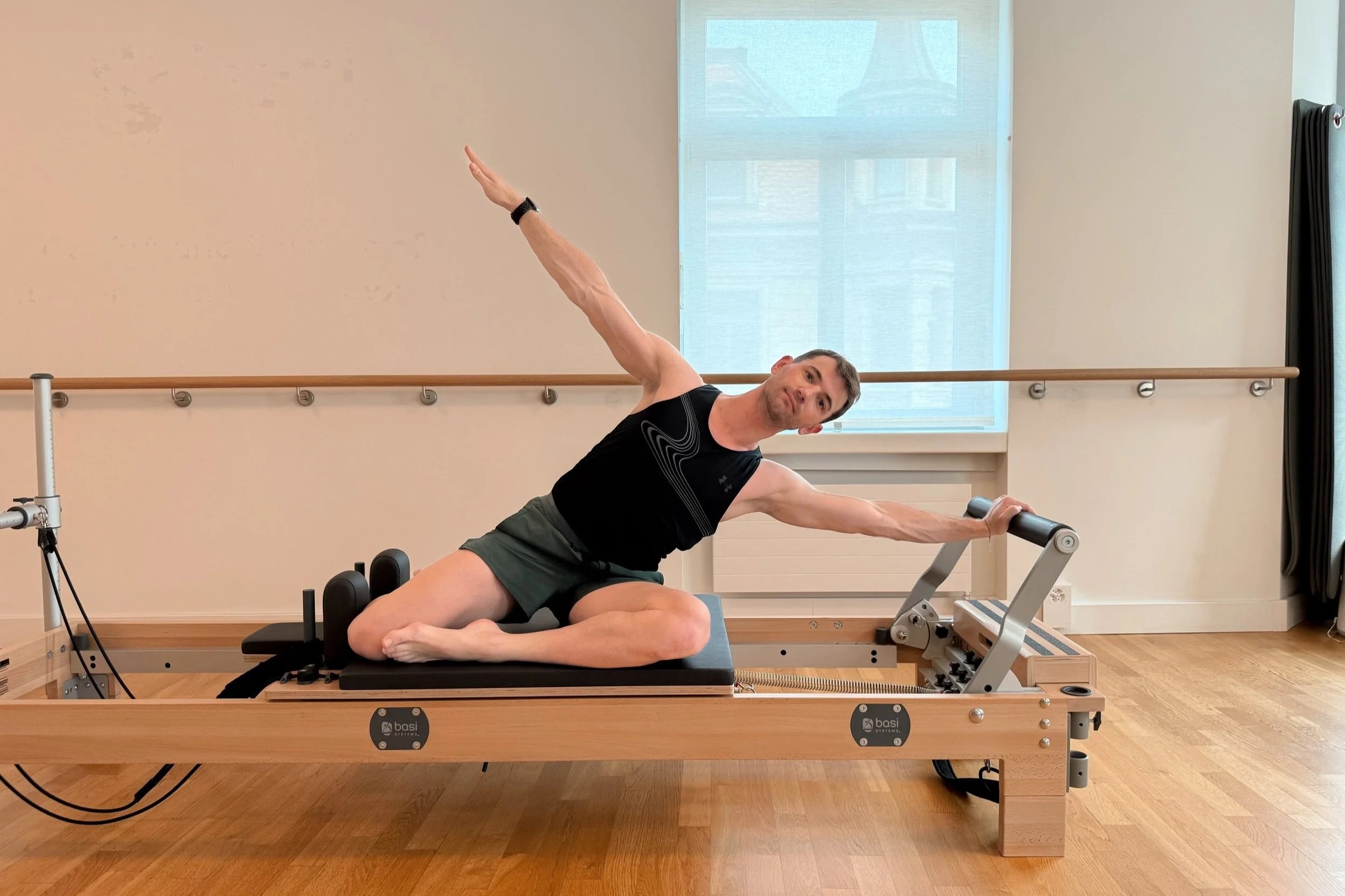
This is worth saying clearly. You don’t need to be fit to start Pilates For Seniors. You don’t need good balance. You don’t need flexibility. Those things are outcomes, not prerequisites. The best programs meet people where they are. On the mat. On a chair. Sometimes on a reformer, sometimes not. The format matters less than the intention. Slow progress. Thoughtful cues. Space to learn without pressure.
A Quiet Investment in Staying Upright
Falls change lives. Avoiding one isn’t about heroics. It’s about preparation. Pilates For Seniors from Brighton Recreational doesn’t promise invincibility. Nothing does. But it builds resilience in a way that feels sustainable and respectful. The kind that shows up on an ordinary Tuesday afternoon. When you turn, step, and keep going without thinking twice. And sometimes, that’s everything.