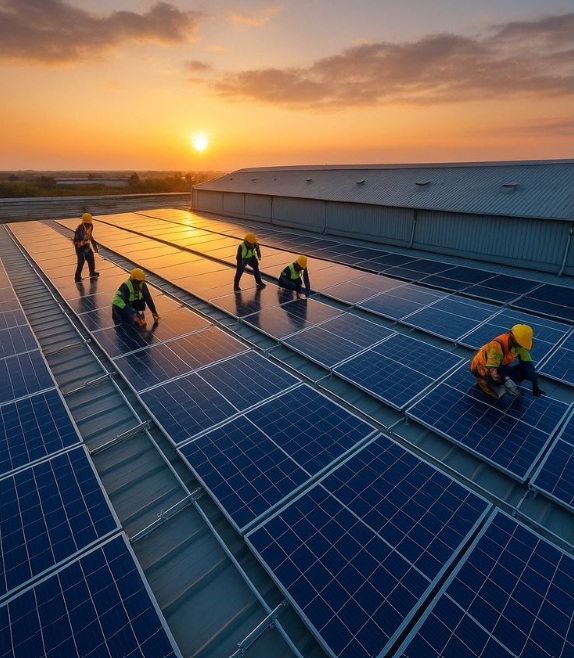
As the world needs more renewable energy, solar power has become one of the best ways to fight climate change, lessen our need for fossil fuels, and offer affordable energy to homes and businesses. This post looks at why solar energy is important, how to set it up, its advantages, and what the future holds for solar power.
What is Solar Installation?
Solar installation in Ontario involves putting up solar panels or systems that change sunlight into energy we can use. The most common type of solar setup is photovoltaic (PV) systems that have solar panels to make electricity. These panels are made from special materials, usually silicon, that take in sunlight and turn it into electricity.
Another kind of solar system is called solar thermal systems. These panels use sunlight to heat water for businesses and homes. Solar thermal systems are usually used to heat water, warm up spaces, or provide heat for industrial processes.
Steps to Set Up Solar Panels
Site Check
Before starting the installation, a professional installer will check the location to make sure the solar system works well. This involves finding out which way the roof faces, how steep it is, and how much sunlight it gets during the day. For systems set up on the ground, the installer looks at the land to make sure there are no obstacles that could block sunlight from reaching the panels.
Licenses
Most places need permission before setting up a solar system. These permits are needed to make sure that the installation follows local building rules, electrical rules, and safety guidelines. The installer usually takes care of the paperwork for the needed permits, but homeowners should know that getting approval can take a few weeks, depending on local rules.
Mounting the Panels
Once we get the needed approvals, we start by putting up the solar panels. Panels can be set up on the roof or on the ground, based on how the system is designed. Roof-mounted systems are held in place with racks that connect to the roof, while ground-mounted systems are set up on a concrete frame that is on the ground.
Electrical Connections
After the panels are set up, the next step is to connect them to the electrical system. This means connecting wires from the solar panels to an inverter. The inverter helps you change the direct current (DC) electricity that the panels make into alternating current (AC) electricity.
Testing and Starting Up the System
After it’s set up, the system is tested to make sure it works properly. This includes checking the connections, and ensuring the system is generating the right amount of energy. After the system has passed all safety tests, it is activated and officially started.
Advantages of Installing Solar Panels
Saving Money
In the long run, solar panels can save you a great amount of money on your electricity bills. Although the first cost of installation might be high, the money saved over time is much greater than that initial expense. Solar systems usually pay for themselves in 7 to 10 years, and after that, the energy they produce is almost free.
Energy Independence
Solar installation in Ontario allows homeowners and businesses to depend less on the electrical grid. This is especially helpful during power outages because solar systems with battery storage can supply electricity even when the main power is off. It also helps protect people from increasing energy costs by providing a steady and reliable power supply.
Rise in Property Price
Homes and businesses with solar panels often look better to people looking to buy. Several studies show that homes with solar power systems can be worth 3% to 5% more. This means that solar energy is good for the environment and can also save you money.
Impact on the Environment
Another good thing about installing solar panels is that it helps the environment. Solar power as an energy source is very clean and does not create pollution. By using solar energy, people and companies can lower their impact on the environment and help fight climate change.
Future of Solar Power
The future of solar installation looks bright because technology keeps getting better and more people around the world are using it. New ideas like solar shingles, transparent panels, and better battery storage are likely to make solar power easier to use and more effective.
Countries everywhere are helping renewable energy more by giving money and support for solar projects. As the world works harder to use clean energy, solar power will be very important for cutting down greenhouse gases and moving to a cleaner energy system.
Conclusion
Solar installation is a strong way to provide power for the world’s increasing energy demands while also helping the environment. Even though there are some challenges like high starting costs and reliance on weather, the advantages of solar energy are much greater than the disadvantages. Solar power helps us rely less on fossil fuels, lowers electricity bills, and gives us more control over our energy.