Detox and withdrawal care can be frightening, particularly for someone who has previously attempted to quit and had severe symptoms. Many families seek direct answers devoid of fear tactics or medical jargon. They also want to know what is safe, what is common, and what kind of assistance is truly beneficial. The first step seems achievable when the information is clear.
People frequently inquire about day-to-day help and where care is provided. Some people search online for rehab in Roswell, NM, because they want solutions that feel realistic and close, not a plan that falls apart after one difficult night. Detox shouldn’t feel like a test of strength because it isn’t. The right setting can reduce risk and help a person stay with the process.
What Actually Happens During Detox?
The initial stage of treatment is called detox, during which the body eliminates alcohol or narcotics with the help of a supervisor when necessary. As the body stabilizes, staff members monitor vital signs, hydration, sleep, and withdrawal symptoms before modifying the strategy. Additionally, a lot of programs check for depression, anxiety, and other disorders that might make withdrawal more difficult. In order to give the next stage of treatment a genuine chance to succeed, safety and stability are made the main objectives.
How Long Does Withdrawal Last?
The substance, dosage, and individual’s medical history all influence how long withdrawal takes. Some symptoms, particularly those caused by alcohol, opioids, or benzodiazepines, peak in a matter of days, while others decline over weeks. Without assistance, mood swings and sleep issues can persist and feel depressing. When a care plan includes follow-up help after the initial challenging period and establishes expectations, it is most effective.
The degree of assistance during those early days also affects the timing. Rest, diet, water, and medical supervision can lessen the severity of symptoms and help the body stabilize sooner. When progress seems sluggish, having a defined strategy with check-ins keeps people motivated.
Is Detox Safe at Home?
Families inquire about this because, although safety relies on the substance and the individual’s medical risk, the home feels comforting. Seizures and extreme disorientation are among the hazards associated with alcohol and benzodiazepine withdrawal. Many people may feel that withdrawing from opioids is less dangerous medically, but mental distress, dehydration, and relapse risk can still cause major issues. During a crisis, a professional evaluation helps determine the safest environment and keeps families from speculating.
What Withdrawal Symptoms Should Raise Concern?
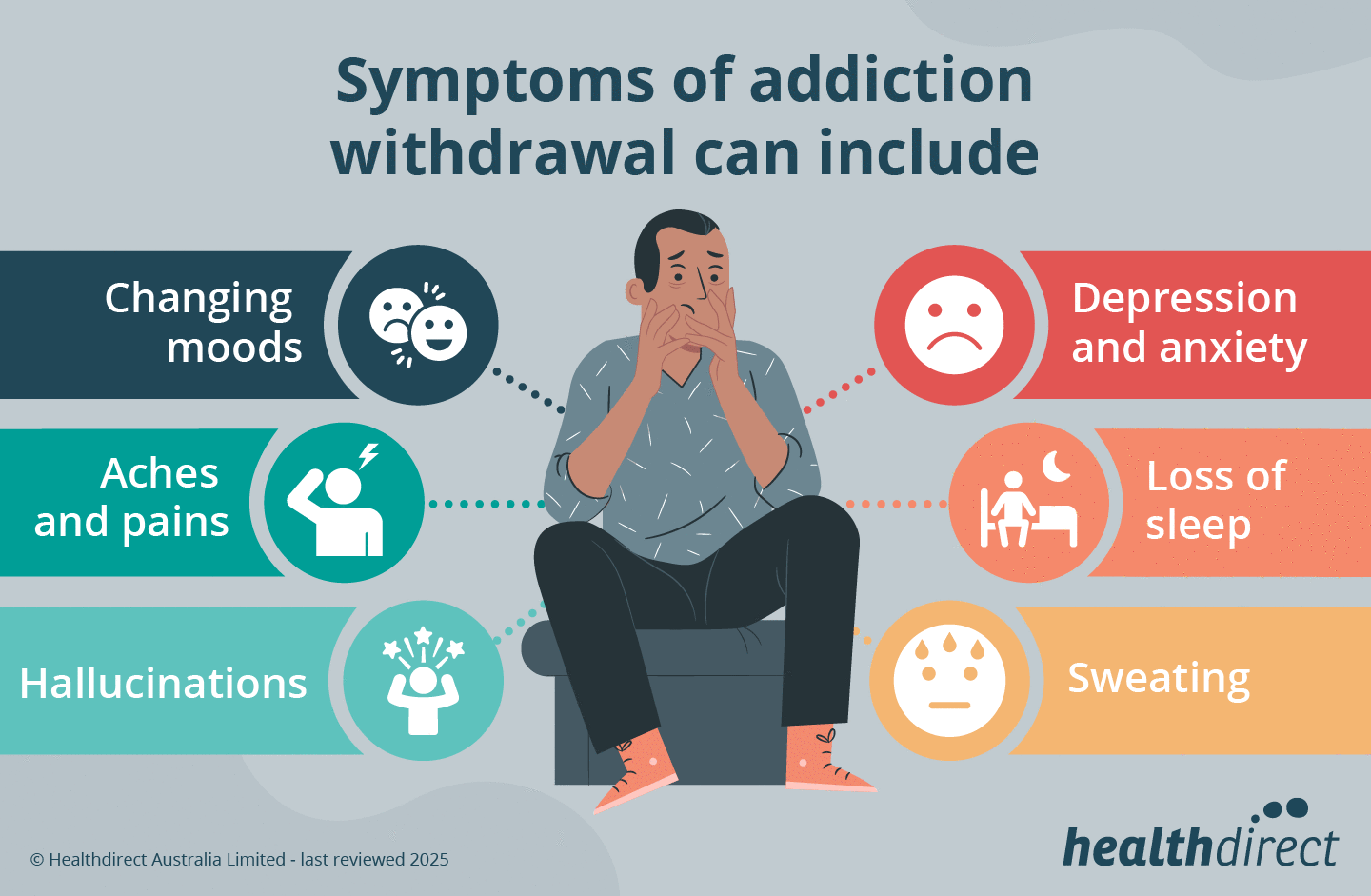
Sweating, trembling, nausea, an elevated heart rate, anxiety, and persistent, strong cravings are all signs of withdrawal. Chest discomfort, fainting, seizures, extreme agitation, disorientation, hallucinations, or suicidal thoughts are serious warning indicators. Families are especially concerned when a loved one abruptly resumes drinking or using due to pain or panic. A clear safety plan helps families respond fast and reduces fear at home.
Do Medications Play a Role in Detox Care?
During the early stages of recovery, medication may assist in lessening withdrawal symptoms and promoting stability, hydration, and sleep. Certain drugs might lessen physical discomfort or cravings for various substances, which can reduce the likelihood of relapsing on the worst days. Monitoring, precise dosage, and a strategy tailored to the patient’s medical history are all necessary for the optimal administration of medication. When medicine is used along with counselling and therapy, people typically do better.
What Comes After Detox Is Done?
Physical withdrawal is addressed with detox, but the habits, stressors, and triggers that motivate use are not. Depending on their risk level and home stability, many people require ongoing care in the form of residential support, intense outpatient programs, or outpatient care. People can repair routines, develop coping skills, and deal with cravings calmly with the support of therapy. Support is also beneficial to families because home dynamics have a significant impact on rehabilitation.
How Do You Choose the Right Level of Care?
People want to know how to choose a program that best suits their demands without wasting time or money. Safety risk, relapse history, mental health issues, and the level of assistance at home all play a role in making a wise decision. Some patients begin with detox and go into structured treatment through rehab in Roswell, NM, since the shift feels more seamless when care stays coordinated. With defined procedures for the first month and ongoing assistance until early symptoms subside, the right level of care feels realistic.
Because the process simultaneously impacts the body, mood, and day-to-day activities, detox and withdrawal treatment generate many questions. A clear assessment and a strategy that puts safety and follow-through first yield the best results. People become less afraid and more committed when they know what to anticipate. With the right support, detox becomes a starting point for stable recovery, not a cycle that repeats.
Read More My Next Mag