Nothing is more frustrating than a grounded plane. You have plans, but the plane is not starting or a gauge is acting up. Something has failed that you never saw coming. This downtime is not only annoying but also expensive. However, worry not. You can avoid it by putting in some effort and focusing on a few good habits. Here is how you can prevent unexpected downtime and ensure the safety of your plane.
Establish a Preventive Maintenance Routine
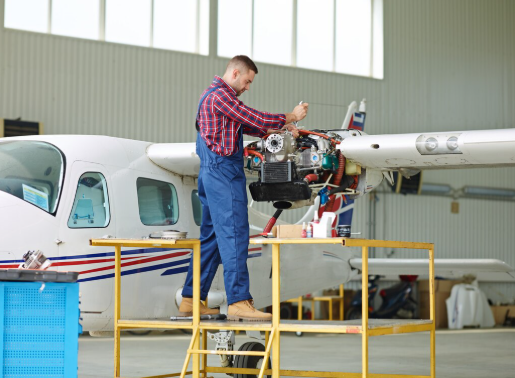
Preventive maintenance is not about just one thing. It is a mindset of prioritizing safety. You should start with the basics. Change oil on time, not a day late. Old oil turns to sludge and wears bearings. A $100 oil change now can save you from a $20,000 overhaul in the future.
Additionally, change filters regularly, including oil, fuel, and air filters. If they become clogged, the engine has to work hard. This can lead to many serious issues and even cause engine failure.
Even the tools you use matter, including quality Tronair parts built for aviation. Whether it is about jacks, stands, or tow bars, everything must be tested and safe. However, you must ensure that every tool you use is from a trusted supplier like Pilot John International. Keep in mind that using the right tools prevents damage during maintenance.
Perform Regular Inspections
Do not just rely on annual inspection, and check your plane every time you fly. Preflight is the first line of defense. Walk around and inspect everything. Check for leaks, loose parts, and damage. Look inside too and check if anything is loose or not working.
You should listen to unusual sounds during the run-up. Strange sounds mean something is wrong. You should not ignore them. Moreover, feel the controls. Are they smooth? And after landing, you must give another quick look. Check for exhaust stains, oil leaks, or tire wear. Regular inspections help you find problems early, before they become major issues.
Implement Data-Driven Component Tracking
Modern planes have data. Engine monitors track everything, including hours, temperatures, pressures, and vibrations. You can use this data and look for trends. Maybe there is a cooler issue, or the cylinder head temperature is rising.
With proper data, you can also track components’ life. Tires and brakes have fixed hours. Batteries also have calendar life. By analyzing data, you can replace them on time, preventing their failure. Additionally, you should log everything, such as when you did what and any issues you found and fixed. Good records show patterns. They also help when you resell the aircraft.
Conclusion
Downtime of your aircraft costs money and also frustrates. But you can prevent it with good habits. Establish a preventative maintenance routine. Do the small things on time. Use quality tools and parts. Also, perform regular inspections to identify and address problems early. Moreover, you should track data and let the engine monitors guide you. This way, you can replace components before they fail. Your plane gives you freedom, and you must take care of it.