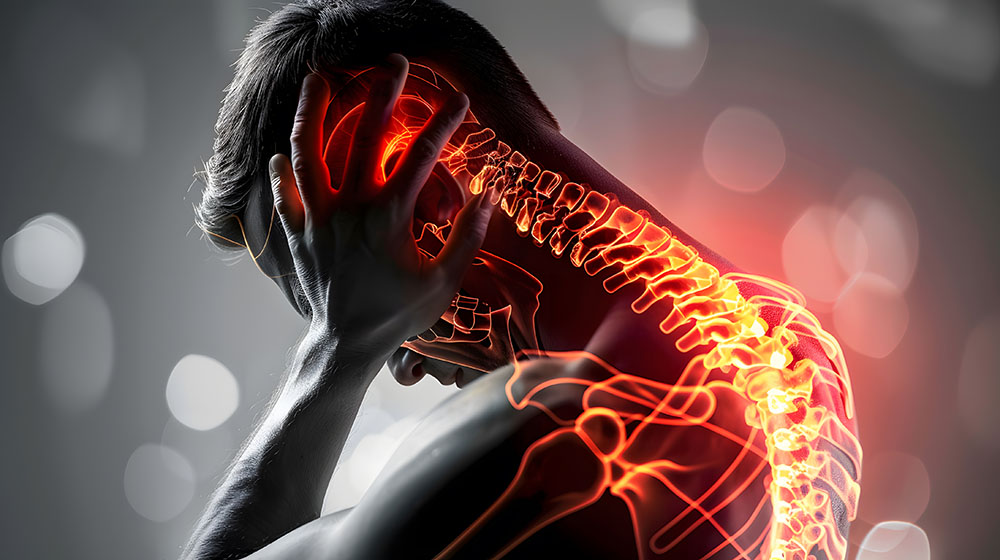
Neck pain and headaches are common complaints that often appear together. Many people wonder whether neck discomfort can actually trigger headaches and how to address both issues effectively. Understanding this connection helps identify effective strategies to relieve pain and prevent recurrence. For professional guidance,Neck Pain Treatment Services can provide targeted rehabilitation to reduce pain and improve mobility.
This comprehensive guide explores the relationship between neck pain and headache, explains the underlying mechanisms, highlights symptoms, and provides actionable solutions for relief. Understanding this connection helps people make informed decisions about treatment, lifestyle changes, and preventive strategies. The goal is to reduce pain, improve mobility, and enhance overall quality of life.
How Neck Pain Contributes to Headaches
Neck pain can lead to headaches in several ways. The cervical spine and surrounding muscles play a key role in supporting the head and facilitating movement. Stress, poor posture, injury, or nerve irritation in this area can result in referred pain that manifests as a headache.
Cervicogenic Headaches: Pain Originating from the Neck
Cervicogenic headaches are a specific type of headache that begins in the neck and spreads to the head. Irritated cervical nerves or inflamed soft tissues transmit pain signals that the brain interprets as head pain. Symptoms include stiffness, tightness at the base of the skull, and discomfort that worsens with neck movement. Unlike migraine or tension headaches, cervicogenic headaches have a clearly identifiable source in the neck.
Muscle Tension and Head Pain
Chronic tension in neck muscles such as the trapezius, suboccipital, and sternocleidomastoid muscles can trigger headaches. Overuse, repetitive strain, or postural imbalances create tightness that radiates upward to the head. People with long hours of desk work or poor sleeping posture often feel pressure around the skull or a dull aching pain that worsens throughout the day.
Nerve Pathways and Pain Sensitization
Neck pain can activate nerves connected to pain centers in the brainstem. The trigeminocervical complex receives input from cervical nerves and facial nerves, and when sensitized, it amplifies pain signals. This mechanism explains why headaches sometimes develop even without direct injury to the head. Neck pain may act as a trigger, intensifying or prolonging headache episodes.
Posture and Mechanical Stress
Forward head posture and prolonged slouching place strain on cervical muscles and joints. Constant tension irritates nerves and can result in chronic headaches. Poor posture is often associated with computer work, smartphone use, or inadequate ergonomic support. Adjusting posture and reducing strain through simple changes can significantly decrease headache frequency and intensity.
Types of Headaches Linked to Neck Pain
Tension-Type Headaches
Tension-type headaches feel like a tight band around the head. They often occur due to sustained contraction of the upper neck and shoulder muscles. Poor posture, stress, or repetitive tasks increase the risk of tension headaches. People with chronic neck stiffness frequently experience this type of headache at the end of the day.
Migraines with Neck Involvement
Many migraine sufferers report neck pain before or during attacks. The neck may become stiff or sore due to muscle tension or nerve irritation. Neck involvement in migraines highlights the complex relationship between cervical structures and headache mechanisms. Addressing neck discomfort can reduce the severity and duration of migraine episodes.
Occipital Neuralgia
Occipital neuralgia occurs when the occipital nerves at the base of the skull become irritated. Pain radiates from the neck into the head, often described as sharp, throbbing, or electric-like. Muscle tension, trauma, or inflammation in the neck can contribute to this condition. Targeted neck therapy often provides relief for occipital neuralgia.
Recognizing Symptoms of Neck-Related Headaches
Identifying whether neck pain contributes to headaches is important for effective treatment. Common signs include:
- Pain starting at the base of the skull and radiating upward
- Stiffness or reduced range of motion in the neck
- Headaches worsening with neck movement or posture changes
- Tenderness in the shoulders or upper back muscles
- Pain triggered by prolonged computer use, reading, or smartphone activity
These symptoms often overlap with tension headaches and migraines, making clinical evaluation important for accurate diagnosis.
Diagnosis and Professional Evaluation
Doctors evaluate neck pain and headache using a combination of medical history, physical examination, and imaging when necessary. Assessment focuses on:
- Neck mobility and muscle strength
- Pain patterns and triggers
- Nerve function and reflex testing
- Imaging for structural abnormalities, if needed
Differentiating cervicogenic headaches, tension-type, or migraine headaches allows for targeted treatment strategies and better outcomes.
Treatment Options for Neck Pain and Headaches
Effective management often requires a multi-approach combining medical, physical, and lifestyle interventions.
Physical Therapy and Posture Correction
Therapists focus on improving neck mobility, releasing muscle tension, and correcting posture. Exercises that strengthen cervical muscles and improve alignment reduce strain and prevent headache recurrence. Ergonomic adjustments at workstations and proper sleeping posture are key preventive strategies.
Muscle Therapy and Stretching
Manual therapy, myofascial release, and stretching relieve tight muscles that contribute to headaches. Regular stretching routines targeting the neck, shoulders, and upper back improve circulation, reduce tension, and promote relaxation.
Pain Relief Interventions
Medication can help manage acute pain, while targeted interventions such as nerve blocks may be considered in severe cases. Combining pain relief with physical therapy and lifestyle modifications often yields the best results.
Lifestyle Changes and Preventive Measures
Preventive strategies include regular breaks during prolonged tasks, stress management, ergonomic adjustments, and avoiding forward head posture. Incorporating these habits into daily routines reduces the risk of neck-related headaches and enhances overall well-being.
For expert guidance and comprehensive support, CC Physiotherapy provides professional care for neck pain and related conditions.
When to Seek Medical Attention
Immediate evaluation is necessary if headaches are sudden, severe, or accompanied by weakness, numbness, vision changes, or difficulty speaking. These symptoms may indicate a more serious underlying condition that requires prompt intervention.
Conclusion
Neck pain can play a significant role in causing headaches through nerve irritation, muscle tension, posture-related strain, and sensitized pain pathways. Recognizing the connection allows for targeted treatments that relieve pain and improve mobility. Combining professional evaluation, physical therapy, ergonomic adjustments, muscle therapy, and lifestyle modifications provides a comprehensive approach to managing neck pain and headache. Understanding and addressing the cervical spine’s role can improve daily comfort, prevent recurrence, and enhance overall quality of life.