Emergencies can happen anytime and anywhere. Road accidents, workplace injuries, natural disasters, and sudden medical problems can occur without warning. In these moments, knowing how to respond quickly and correctly can save lives.
High-impact response skills focus on taking effective action during emergencies. Trauma readiness means being prepared to recognize serious injuries and provide immediate help before professional medical teams arrive.
When people are trained and prepared, they can make a big difference in critical situations. Read on.
Understanding Trauma Readiness
Trauma readiness is the ability to identify serious injuries and respond quickly. The first few minutes after an accident are very important. These moments are sometimes called the “golden minutes” because early action can increase a person’s chances of survival.
Someone who is trauma-ready stays calm, checks the situation, and takes the right steps to help the injured person. This preparation helps prevent further harm while waiting for emergency responders.
Situational Awareness
Situational awareness means paying attention to your surroundings and recognizing possible dangers. It helps people notice problems before they become worse.
For example, someone may notice unsafe equipment at work, dangerous road conditions, or signs that a person is experiencing a medical emergency. By being alert, individuals can act quickly and help prevent injuries or respond faster when accidents happen.
Basic Trauma Care Skills
Learning simple trauma care skills is very important for emergency response. Some of the most helpful skills include:
- controlling bleeding
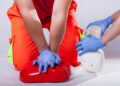
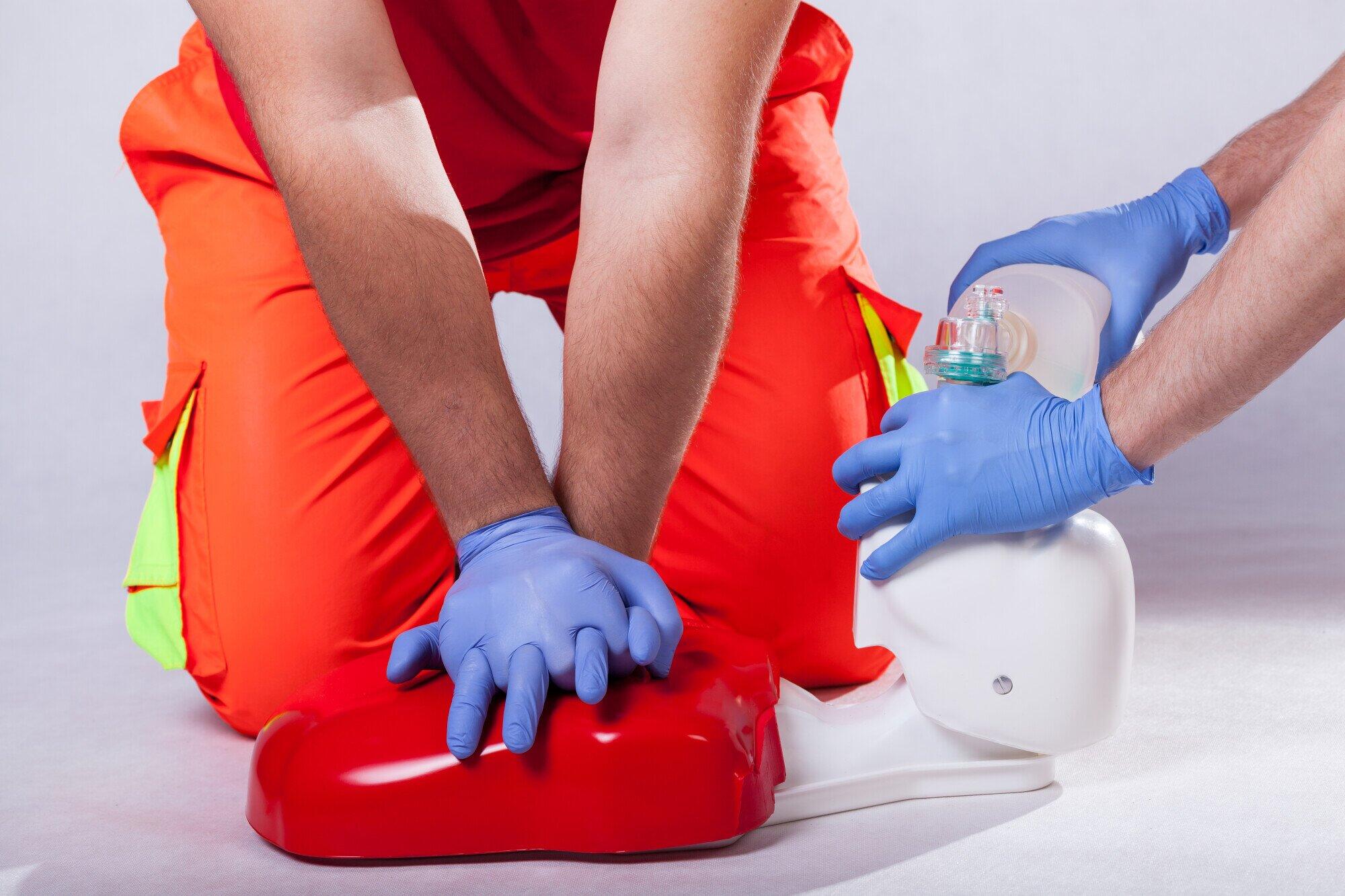
- performing CPR
- helping someone in shock
- supporting injured limbs
Severe bleeding is one of the most common causes of preventable death after an injury. Applying pressure to a wound, using a bandage, or applying a tourniquet can help stop blood loss until medical professionals arrive.
These basic skills can help stabilize a victim and keep them safe during the most critical moments. Check out https://cprcertificationnow.com/products/first-aid-for-severe-bleeding-certification to learn more.
Communication in Emergencies
Clear communication is another important skill during emergencies. People need to quickly contact emergency services and explain the situation clearly. Providing accurate information helps emergency teams respond faster, such as:
- the location
- number of injured people
- type of injury
Good communication also helps guide bystanders so everyone can work together to assist the injured person.
The Importance of Training
Training helps people become more confident in emergency situations. First aid classes, safety workshops, and emergency drills allow individuals to practice important skills.
Regular training also helps people remember what to do under pressure. When people practice emergency response, they are more likely to stay calm and act correctly during real situations.
Technology and Modern Safety
Technology also supports emergency response. Tools like mobile emergency apps and automated external defibrillators (AEDs) can help save lives.
These tools allow faster communication and provide important assistance during medical emergencies. When combined with proper training, technology improves the overall effectiveness of emergency response.
Empowering Yourself through Trauma Response Training
Mastering high-impact response skills is an important part of modern safety. Trauma readiness allows people to respond quickly and provide life-saving help when emergencies occur.
When more individuals learn these skills, communities become safer and more prepared. By staying aware, learning basic trauma care, and practicing emergency response, anyone can be ready to make a life-saving difference.
If you want to read more articles, visit our blog.