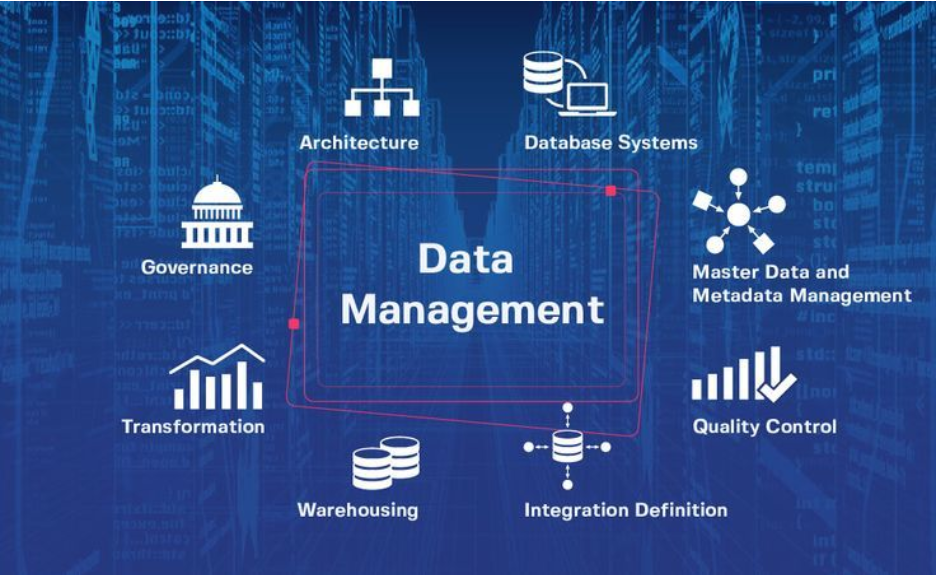
Every company gathers a lot of information, like details about customers, products, and finances. If we don’t have a clear and coordinated way to manage this data, it can become scattered, confusing, and hard to use properly. This is where Master Data Management (MDM) is important. In this post, we’ll look at why MDM matters, how it functions, and why it’s important for businesses that want to improve their operations.
What is Master Data Management?
Master data management is a way for an organization to keep its important data, often called “master data”, correct, uniform, and easy to access in all departments and systems. Master data usually includes important information about customers, products, suppliers, employees, and other key parts of a business.
MDM wants to bring all the data together in one place, making sure it is accurate and up to date so everyone has the same information. This helps everyone in the organization use the same correct and current information, which lowers the chances of mistakes and problems.
Working of Master Data Management
Merging Data
The first step in MDM is to gather data from different places, like internal databases, outside systems, or third-party apps, and put it all into one central system. This process means finding and fixing repeated, inconsistent, or conflicting information.
Data Governance
It involves the rules and guidelines about how data is made, saved, accessed, and changed. MDM systems have rules and guidelines that make sure data is kept safe and correct, and they also set who is responsible for maintaining the quality of the data.
Managing the Quality of Data
MDM platforms usually have tools for checking data quality. These tools help ensure that the data is accurate, complete, and kept steady over time. These tools can find and fix problems like missing information, wrong entries, or incorrect data formats.
Data Stewardship
This means giving people or teams the responsibility to take care of data quality and fix any problems. These data managers keep an eye on how data is used and make sure any problems are fixed quickly, which helps keep the data accurate and reliable.
Why is Master Data Management Important for Companies?
Better Data Accuracy and Quality
One of the main advantages of MDM is that it helps make data better. Without MDM, companies often have duplicate records, wrong data entries, or mixed-up information in different systems. This can result in bad choices, unhappy customers, and problems with operations.
Improves Efficiency of Operation
Mixed-up or unclear data can make business operations slower. Workers might have to spend a lot of time checking or fixing information, and they may need to update several systems manually with the same details. MDM removes this unnecessary copying of data by creating a single data storage that different departments can easily use.
Increases Customer Satisfaction
Managing important information about customers really helps to make them happier. By keeping correct and steady customer information, businesses can better know what their customers want, like, and how they act.
Rules and Risk Management
Many industries must follow strict rules about keeping data accurate, private, and secure. For example, healthcare, finance, and government groups need to keep correct records to follow laws like HIPAA, GDPR, and SOX. If organizations don’t manage their data properly, they could face legal troubles, fines, or damage to their reputation.
How to Set Up Master Data Management in Your Company?
Define Your Master Data: Find the important pieces of information that need to be managed, like customers, products, or suppliers. Find out what information each department needs and how they will use it.
Pick the Right MDM Tool: Choose an MDM platform that works for your business, whether it is online (cloud-based) or installed on your own servers (on-premise). Think about things like how well it works with other tools, how easily it can grow, and how simple it is to use.
Set up Rules for Data Governance: Create rules for how to manage data, including who owns it, how to keep it accurate, and how to protect it. Clearly explain who is in charge of managing master data and what their duties are.
Cleanse Data: Collect information from various systems and clean it up by getting rid of duplicates, fixing mistakes, and making sure everything looks the same. This makes sure you have correct and good-quality information.
Integrate Systems: Connect your MDM system with other business software so that information moves easily between departments and systems, keeping everything consistent throughout the organization.
Maintain Data Quality: Set up regular checks and maintenance to keep data reliable and make sure new data is added to the MDM system all the time.
Conclusion
MDM is more than just a technology project; it’s an important business strategy that helps make things work better, supports better choices, and boosts customer happiness. As businesses create more data, it is very important to keep their main data clear, consistent, and easy to access for success. MDM clearly helps by improving data quality, making operations run more smoothly, and ensuring rules are followed.