Introduction to interesting veggies
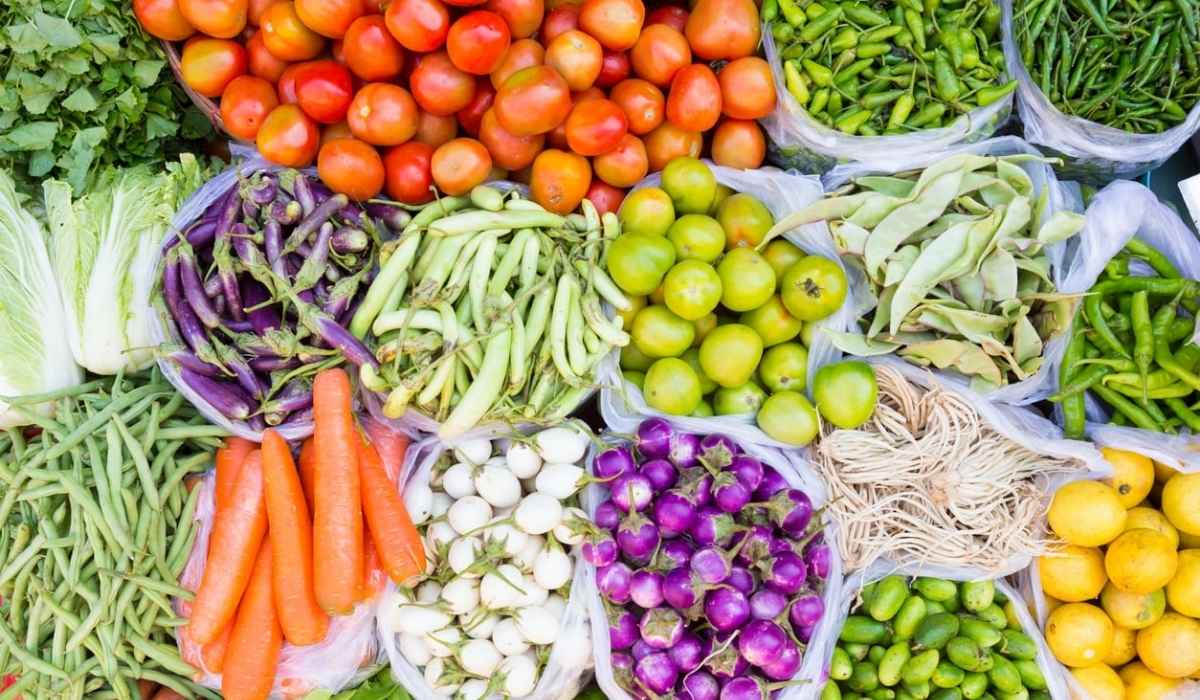
Vegetables are often associated with staple foods like carrots, potatoes, and broccoli, but the world of interesting veggies extends far beyond these familiar choices. These uncommon vegetables bring unique flavors, colors, and textures to meals, adding a sense of culinary adventure. Many of these vegetables originate from regions with rich agricultural traditions, carrying stories, health benefits, and uses that are often unfamiliar to most consumers. Exploring interesting veggies not only enhances the visual and taste appeal of your dishes but also introduces nutrients that can improve health outcomes. From antioxidant-rich roots to exotic leafy greens, there is a wide range of vegetables waiting to be discovered.
Nutritional value of interesting veggies
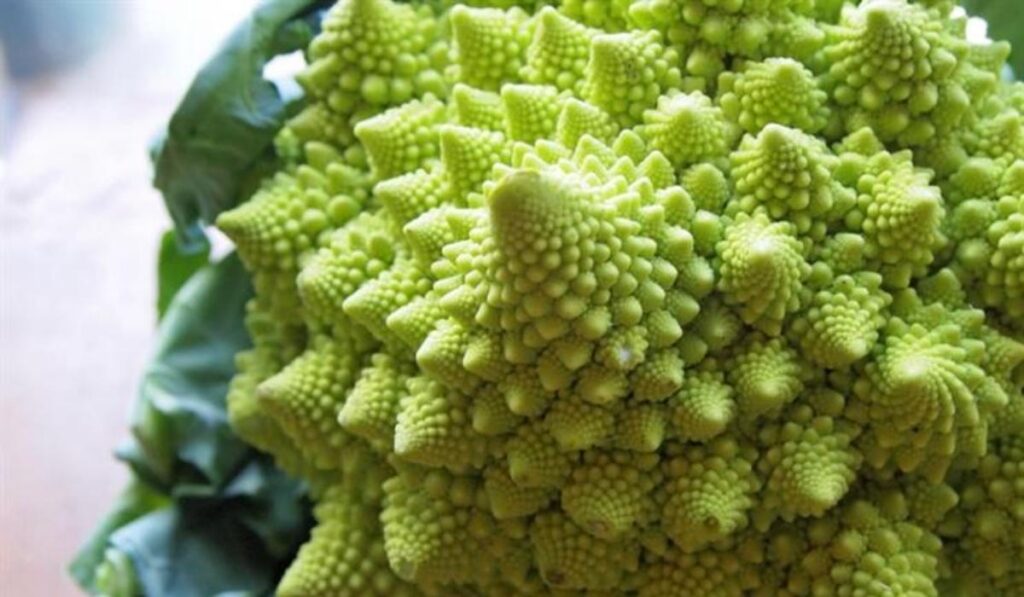
The primary reason to explore interesting veggies is their nutritional content. Uncommon vegetables often contain high concentrations of vitamins, minerals, and antioxidants that support immune function, cardiovascular health, and digestive wellness. For example, Romanesco broccoli is rich in vitamin C, fiber, and carotenoids, while kohlrabi offers potassium, vitamin C, and fiber. Many interesting veggies also have phytochemicals and bioactive compounds that provide additional health benefits, making them an essential addition to a diverse and balanced diet. The inclusion of these vegetables promotes better health while introducing variety and creativity into daily meals.
Rare root vegetables
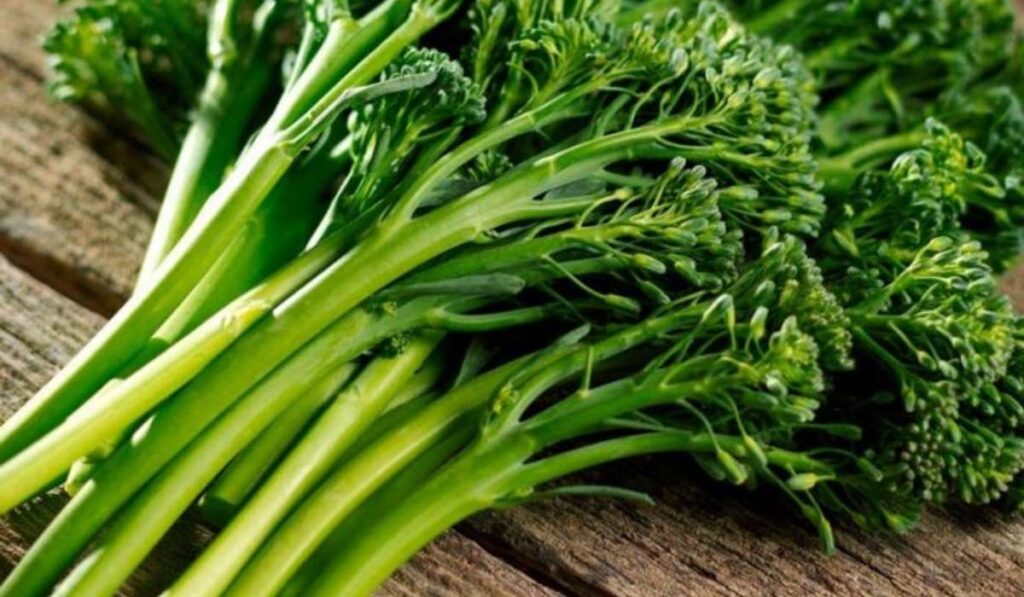
Root vegetables provide both flavor and versatility in the kitchen. Some of the most fascinating interesting veggies are roots that are seldom seen in mainstream markets. Salsify, often called the “oyster plant,” offers a mild, slightly sweet flavor, while crosnes, also known as Chinese artichokes, provide a crunchy, nutty texture ideal for stir-fries and salads. Oca, a tuber native to the Andes, adds a tangy flavor and vibrant colors to roasted vegetable dishes. By incorporating these rare roots, home cooks can elevate soups, stews, and roasted platters, making interesting veggies an exciting alternative to traditional root vegetables.
Uncommon leafy greens
Leafy greens go beyond the ordinary spinach and lettuce. Among the interesting veggies are mizuna, tatsoi, and amaranth leaves, each offering unique textures and flavors. Mizuna has a peppery bite suitable for salads, tatsoi provides a soft, mild flavor for sautéed dishes, and amaranth leaves are packed with iron, calcium, and antioxidants. These greens can be used in smoothies, stir-fries, or raw salads, introducing variety while boosting the nutritional value of meals. Using interesting veggies in this way encourages experimentation in the kitchen and enhances daily intake of essential vitamins.
Exotic nightshades

Nightshade vegetables are commonly known, but some exotic varieties qualify as interesting veggies due to their unusual appearance or flavor. Purple tomatoes, white eggplants, and blue potatoes are visually striking and provide subtle variations in taste. These vegetables are excellent for creating Instagram-worthy dishes while supplying antioxidants like anthocyanins. By integrating exotic nightshades into everyday meals, cooks can diversify their plates, expand flavor profiles, and enjoy the many benefits of interesting veggies beyond traditional choices.
Unusual cruciferous vegetables
Cruciferous vegetables are often praised for their cancer-preventing properties, and some rare varieties fall under interesting veggies. Romanesco, with its fractal pattern, cauliflower in purple or orange hues, and kohlrabi all belong to this group. These vegetables contain glucosinolates, which contribute to their unique taste and potential health benefits. Roasting, steaming, or incorporating them into salads highlights their textures and flavors, making them essential interesting veggies for those looking to combine nutrition with culinary creativity.
Globally sourced unusual vegetables
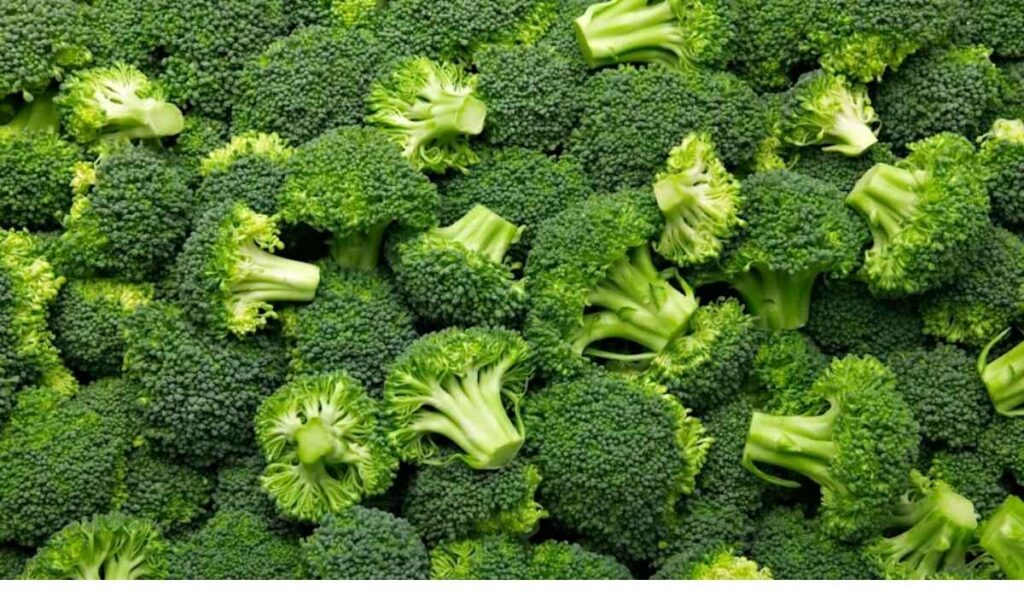
Many interesting veggies are cultivated outside the mainstream Western diet and originate from Asia, Africa, or South America. Bitter melon, winged beans, and okra provide both flavor and cultural significance. Bitter melon is known for its slightly bitter taste and medicinal properties, winged beans are rich in protein, and okra offers mucilaginous textures perfect for stews and gumbo. By sourcing vegetables globally, home cooks and chefs alike can explore new culinary horizons while enjoying the health benefits associated with these interesting veggies.
Cooking methods for interesting veggies
Cooking techniques significantly influence the flavor, texture, and nutritional content of interesting veggies. Roasting brings out sweetness in roots like salsify and oca, while steaming retains nutrients in leafy greens such as tatsoi and amaranth. Stir-frying allows exotic nightshades to retain color and flavor, and slow-cooking cruciferous vegetables enhances tenderness without losing nutritional value. Understanding how to prepare interesting veggies effectively ensures that these vegetables reach their full potential, both in taste and health benefits.
Incorporating interesting veggies into everyday meals
Incorporating interesting veggies into everyday meals can be simple and rewarding. Start by mixing them with familiar vegetables in salads, soups, or roasted vegetable medleys. Smoothies can be an excellent way to introduce leafy greens like mizuna or amaranth leaves. Including colorful roots or exotic nightshades in casseroles or stir-fries provides visual appeal and enhances the overall nutritional profile. Regularly using interesting veggies in meal planning encourages a diversified diet and a more sustainable approach to health-conscious cooking.
Future of interesting vegetables in diets
The growing awareness of health, sustainability, and culinary exploration ensures that interesting veggies will continue to gain popularity. Seed preservation, global trade, and modern agricultural techniques make it easier for consumers to access these vegetables. Educating people about their benefits, preparation methods, and culinary versatility ensures that interesting veggies remain a valued part of both traditional and modern diets. As consumers continue seeking nutritious, flavorful, and visually appealing foods, the presence of these vegetables in everyday meals is likely to increase.
Final thoughts on interesting veggies
In conclusion,interesting veggies offer far more than mere novelty; they enhance nutrition, diversify flavors, and add visual appeal to meals. From rare roots to exotic leafy greens and cruciferous vegetables, exploring interesting veggies encourages healthier eating and culinary creativity. Understanding the benefits and preparation techniques ensures that these vegetables are not only enjoyed once but become a sustainable part of a nutritious, balanced diet.
Frequently asked questions
One. What are interesting veggies?
- Vegetables that are uncommon, unique in taste, texture, or appearance.
Two. Why should I try interesting veggies?
- They provide new flavors, visual appeal, and added nutritional benefits.
Three. How do I cook unusual vegetables?
- Roasting, steaming, stir-frying, and slow-cooking are effective methods.
Four. Where can I find interesting veggies?
- Specialty markets, farmers’ markets, and global grocery stores often carry them.
Five. Are interesting veggies healthy?
- Yes, they are rich in vitamins, minerals, fiber, and antioxidants.