
Key Takeaways
- Make yourself as visible as possible with lights and reflective gear.
- Respect all traffic laws to promote cooperation among road users.
- Stay vigilant and avoid unnecessary distractions.
- Keep your bicycle in good condition by regularly checking it.
- Use bike-friendly routes and infrastructure whenever available.
Riding a bike in city traffic offers both freedom and efficiency, making it a popular choice for commuters and recreational riders alike. However, with the advantages come significant hazards, especially when sharing the road with vehicles and navigating unpredictable urban environments. Adopting effective safety habits is critical for every cyclist. If you are ever involved in a collision, contacting a local legal expert, such as https://www.855dolor55.com/new-york/bicycle-accident-lawyer/, can help ensure your rights are protected.
Staying safe on busy streets goes beyond simply obeying the rules; it involves visibility, planning, awareness, and maintenance. Implementing preventative strategies not only protects you from harm but also contributes to a better experience for all road users. Enhancing your knowledge and developing these habits is a vital step toward safer cycling in urban settings.
Equip Yourself with Proper Gear
Before hitting the road, ensure you are outfitted with protective and high-visibility gear. A properly fitting helmet is the most effective piece of safety equipment, as it significantly reduces the risk of serious head injuries. Brightly colored or reflective clothing will alert motorists to your presence, even in low-light situations. Outfitting your bicycle with both front and rear lights is required in many jurisdictions and is recommended at all hours, not just at night. The Centers for Disease Control and Prevention notes that reflective elements can substantially cut accident rates by making cyclists more conspicuous.
Beyond clothing and a helmet, consider installing reflectors on your pedals and wheels, and always carry basic gear like gloves, eye protection, and a bell. These simple investments can prevent many common incidents caused by inadequate visibility or a lack of protection. Keeping a small first-aid kit and basic repair tools can also prove valuable in an emergency.
Follow Traffic Laws and Signals
Urban cyclists must operate like other road users by obeying all traffic signals and road signs. Always ride in the same direction as traffic flow to remain predictable. Use clear hand signals before turning or changing lanes to help motorists anticipate your actions. Coming to a full stop at red lights and stop signs not only keeps you legal but also fosters cooperation with other drivers, lowering the likelihood of conflict or accidents.
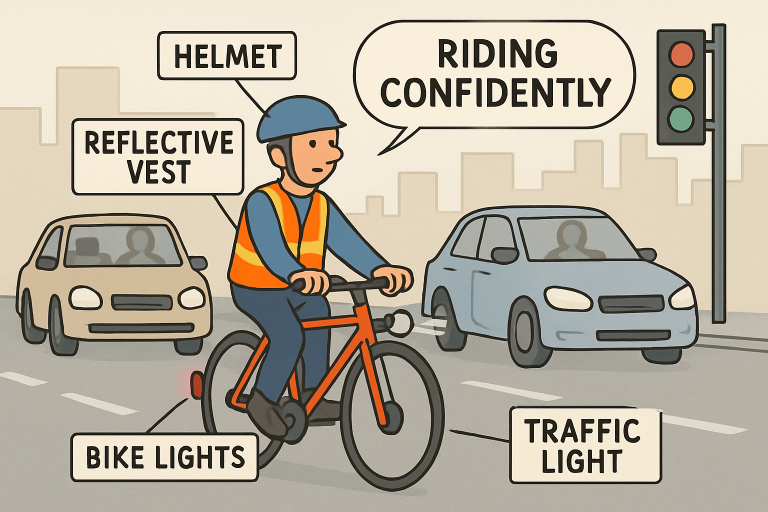
Cyclists who follow the rules earn respect from drivers and the broader community, and it can also protect you from legal consequences. Being disciplined in following laws sets a positive example, and it helps normalize cycling as a serious mode of transportation.
Stay Alert and Avoid Distractions
Constant vigilance helps avoid the most frequent dangers faced by city cyclists. Refrain from using headphones or your phone while riding, so you can hear what’s happening around you and react quickly if needed. Regularly check your surroundings, especially at intersections or when changing lanes, by using bike mirrors or a quick glance over your shoulder. Being alert allows you to anticipate unpredictable actions by vehicles or pedestrians, improving your ability to react defensively.
Urban environments are dynamic, and hazards can appear suddenly. Remaining aware includes watching for open car doors, pedestrians crossing unexpectedly, and cars that may make sudden lane changes. This alertness can be the difference between an uneventful trip and a dangerous incident. For safer cycling practices, consult trusted sources such as Bicycling Magazine, which covers a variety of safety and urban riding tips from experts.
Maintain Your Bicycle
Check your bike regularly for issues to avoid trouble. Inspect tire pressure, brakes, headlights, and chain before each ride. Proper tire inflation improves grip, brakes ensure safe stops, and a clean, lubricated chain runs smoothly. Routine maintenance isn’t just for private use; bike shops offer quick tune-ups and workshops to help cyclists maintain bikes independently. A well-maintained bike rides better, is safer, and less likely to fail in urban settings. Proactive maintenance reduces the risk of being stranded or involved in crashes, as highlighted by cycling groups.
Plan Your Route
Advance planning is key to a smooth and safe ride. Familiarize yourself with your route beforehand, noting areas that may be congested or pose unique risks. There are often multiple ways to reach your destination, so opt for those featuring bike lanes, wider shoulders, or lower vehicle speeds whenever they are available. Many cities now offer maps and apps that identify cyclist-friendly routes to facilitate safer commutes.
Understanding each segment of your route enables you to avoid the busiest intersections or roadways. Allow extra travel time on unfamiliar routes so you can move at a comfortable pace. Committing to bike infrastructure benefits individual riders and signals to city planners that these facilities are needed and in use.
Be Cautious at Intersections
Intersections account for a significant number of cyclist injuries. Reduce risk by approaching every intersection with caution, even if you have the right of way. Make eye contact with drivers to ensure they have seen you, and wait for them to come to a complete stop before proceeding if necessary. If a crosswalk or dedicated bike crossing is available, use it to traverse the intersection more securely.
Always expect the unexpected at intersections, such as drivers making unsignaled turns or pedestrians crossing late. Slow down and be prepared to stop instantly. Active engagement with your surroundings can drastically minimize intersection-related incidents, according to studies featured in national publications.
Use Defensive Riding Techniques
Adopting a defensive riding attitude is about more than just personal caution. Expect that other road users may not see or anticipate your actions, and plan accordingly. Always have a safe escape route and avoid aggressive maneuvers. Position yourself where drivers can see you, typically about a car door’s width from parked vehicles, and avoid lingering in blind spots or squeezing between vehicles in tight traffic.
Defensive riding also means adjusting your speed and being ready to yield if a situation feels unsafe. Trust your instincts, and never assume others will follow the rules as closely as you do. This thoughtful, strategic approach relies less on luck, giving you greater control over your safety.
Be Prepared for the Weather
The weather can turn a ride hazardous quickly. When rain is forecast, brake early and turn slowly, as wet pavement reduces traction. Wear multiple layers in cold weather and waterproof outerwear when needed. Strong winds affect balance—hold handlebars firmly and stay alert in exposed areas. Check for ice or debris, and adjust riding habits to maintain control. Monitor the weather before leaving and plan for sudden changes, such as rain or cold. These practices help cyclists ride safely in all weather, increasing visibility, awareness, and safety for everyone on the road.
Conclusion
Urban cycling can be both safe and enjoyable when approached with preparation, awareness, and responsibility. By wearing proper gear, following traffic laws, staying alert, and maintaining your bicycle, you significantly reduce the risk of accidents. Careful route planning, defensive riding, and adapting to weather conditions further enhance your safety on busy streets. Ultimately, combining these practices empowers cyclists to navigate urban environments with confidence, making each ride not only efficient but also secure and rewarding.