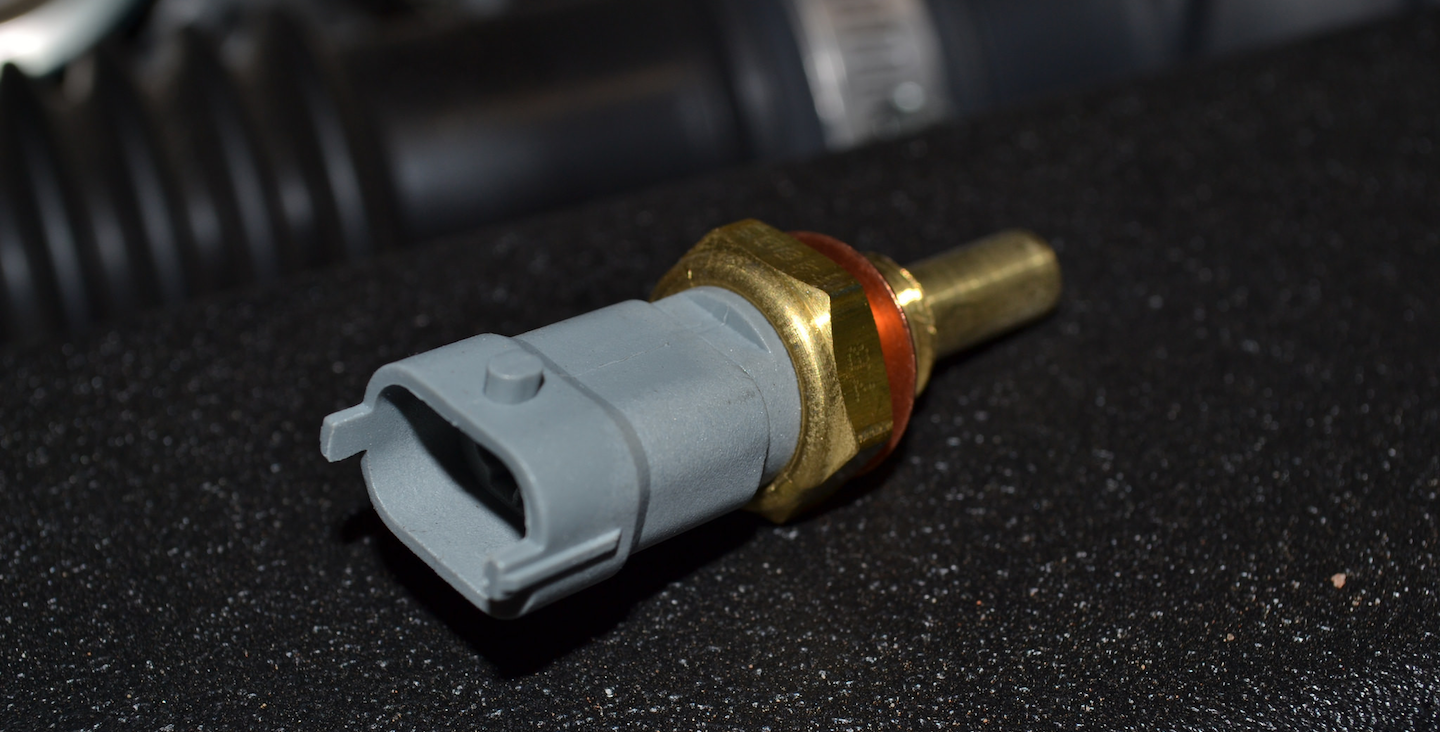
Your vehicle’s cooling system does more than prevent overheating. It works in coordination with sensors and the engine control module (ECM) to regulate fuel delivery, ignition timing, and overall engine performance. One of the most important components in this system is the coolant temperature sensor.
When this sensor fails, it can send inaccurate readings to the engine computer, leading to poor fuel economy, rough idling, hard starts, or even overheating. Fortunately, in many vehicles, coolant temperature sensor replacement is a manageable repair that can restore proper engine function.
Understanding the symptoms of a faulty sensor and knowing how engine temperature affects performance will help you diagnose and fix the issue before it leads to more serious problems.
Symptoms of a Faulty Coolant Sensor
The coolant temperature sensor monitors engine temperature and relays that information to the ECM. The computer uses this data to adjust the air-fuel mixture and ignition timing. If the sensor sends incorrect readings, engine performance can suffer.
Here are the most common signs of a failing coolant temperature sensor:
1. Check Engine Light
A malfunctioning sensor often triggers a diagnostic trouble code. Using a car scanner can help identify temperature-related codes before beginning repairs.
2. Poor Fuel Economy
If the sensor reports that the engine is colder than it actually is, the ECM may inject extra fuel, reducing MPG.
3. Rough Idle or Hard Starting
An incorrect air-fuel ratio can cause unstable idle or difficulty starting, especially when the engine is cold.
4. Overheating or Temperature Gauge Issues
If the dashboard gauge fluctuates or reads inaccurately, it may indicate faulty sensor data.
5. Black Smoke from Exhaust
An overly rich fuel mixture can cause visible black smoke.
Ignoring these symptoms may lead to long-term engine performance issues or unnecessary strain on the cooling system.
How Engine Temperature Affects Performance
Engines are designed to operate within a specific temperature range. When running too cold, combustion efficiency decreases. When overheating, internal components can warp or fail.
The coolant temperature sensor plays a vital role in maintaining this balance.
Cold Engine Operation
When the engine is cold, the ECM enriches the air-fuel mixture to improve drivability. Once the engine reaches normal operating temperature, fuel delivery adjusts to improve efficiency.
If the sensor incorrectly signals that the engine is cold, the system continues running rich, which:
- Wastes fuel
- Increases emissions
- Fouls spark plugs
- Reduces catalytic converter lifespan
Overheating Risks
If the sensor fails to report rising temperatures accurately, the driver may not receive proper warning. Overheating can cause:
- Blown head gaskets
- Warped cylinder heads
- Cracked engine blocks
Maintaining accurate temperature readings protects critical engine components.
How to Replace a Coolant Temperature Sensor
In many vehicles, replacing the sensor is relatively straightforward. However, procedures vary depending on engine design.
Step 1: Allow the Engine to Cool
Never work on a hot engine. Coolant systems are pressurized and can cause burns if opened while hot.
Step 2: Locate the Sensor
The sensor is typically threaded into the engine block or cylinder head near coolant passages.
Step 3: Disconnect the Battery
Disconnect the negative terminal to prevent electrical issues.
Step 4: Drain Some Coolant
Depending on sensor location, draining a small amount of coolant may prevent spills.
Step 5: Remove the Electrical Connector
Carefully detach the wiring harness from the sensor.
Step 6: Remove the Sensor
Use the appropriate socket or wrench to remove the faulty sensor.
Step 7: Install the New Sensor
Thread the new sensor into place and tighten to manufacturer specifications.
Step 8: Reconnect and Refill
Reconnect the wiring harness and refill coolant as needed using compatible engine coolant temperature sensor system products.
Step 9: Clear Codes and Test
Use a car scanner to clear any stored trouble codes and confirm the repair was successful.
When to Seek Professional Help
While many coolant sensor replacements are DIY-friendly, professional service may be advisable if:
- The sensor is difficult to access
- You suspect additional cooling system issues
- The vehicle continues overheating after replacement
- You are unfamiliar with cooling system bleeding procedures
Air pockets in the cooling system can cause overheating if not properly removed after service.
Preventative Cooling System Maintenance
Replacing a faulty sensor is only part of maintaining proper temperature control. Additional steps include:
- Checking coolant levels regularly
- Flushing coolant at manufacturer-recommended intervals
- Inspecting hoses for leaks
- Monitoring the temperature gauge during operation
Proactive cooling system maintenance reduces the likelihood of overheating and sensor-related issues.
Conclusion
The coolant temperature sensor plays a critical role in regulating engine performance and preventing overheating. Recognizing symptoms early—such as poor fuel economy, rough idle, or check engine light activation—allows timely coolant temperature sensor replacement before more serious damage occurs.
Using a reliable car scanner helps diagnose temperature-related codes quickly, while maintaining proper coolant levels with compatible engine coolant temperature sensor system products supports long-term engine health.
Accurate engine temperature monitoring ensures optimal fuel efficiency, smooth performance, and protection against overheating. Addressing sensor issues promptly keeps your vehicle running reliably and efficiently in all driving conditions.
Read More My Next Mag