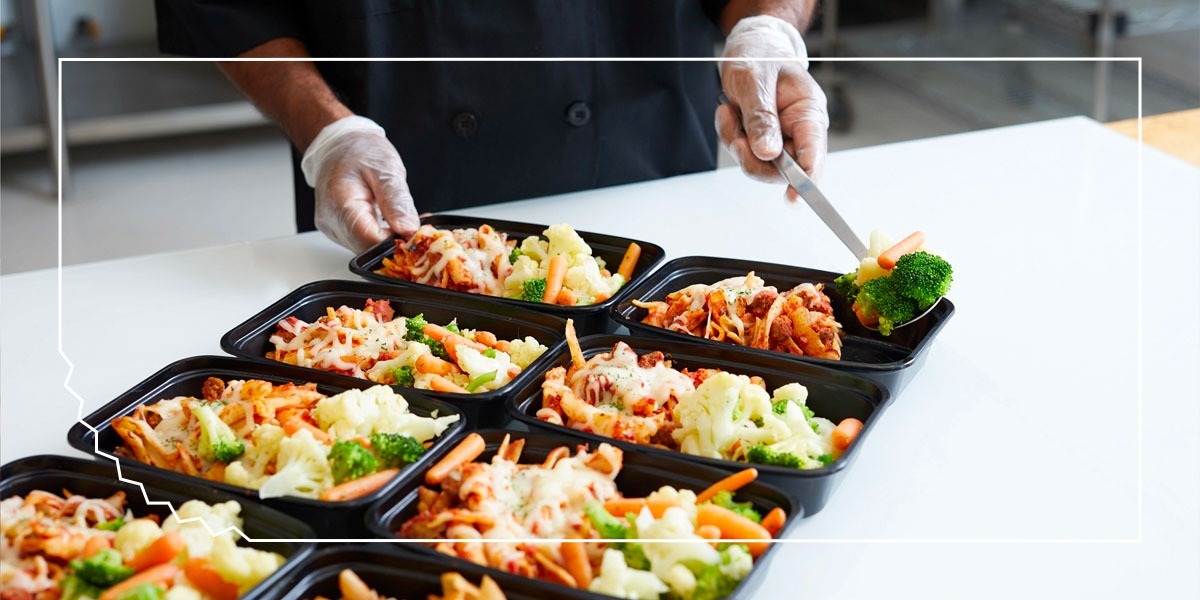
When catering for an event, hosts need to regard the specific nutritional preferences of their guests. They can provide diverse menu selections; this allows them to accommodate various dietary requirements. The following are ways to cater to dietary restrictions at your event:
Versatile Appetizer Selections
Appetizer selections offer a primary defense against dietary exclusions by offering diverse ingredients. The menu should include gluten-free and vegetarian options like fresh fruits and vegetables. Some attendees may need meat-free options, while others avoid dairy; a varied appetizer selection caters to both requirements. Event planners are able to address complex nutritional requirements through pre-existing menu choices. A single appetizer might not satisfy every restriction. Caterers who provide a curated combination of fruits, vegetables, and cheeses create a selection that offers something for everyone on your guest list.
Incorporate Self-Service Stations
Personal service stations at the venue allow guests to customize their meals based on their dietary needs. Options such as a taco bar or a mashed potato bar offer a deconstructed-meal format. In this setup, individual components and ingredients remain separate until the guest selects them. This structure is effective for attendees with food sensitivities, as they can easily avoid allergens such as nuts or toppings that contain gluten. These stations are flexible for a range of event types, from casual gatherings to more formal buffet settings. Picnic service or buffet packages allow the host to offer a wide variety of proteins, vegetables, and starches.
Customized Breakfast Menus
Different breakfast service styles, such as continental, buffet, and ultimate breakfast, provide a foundation for tailored morning events. Some catering services offer a range of hot and cold items, as well as hearty and light options. To cater to specific dietary restrictions, the breakfast offerings may include the following:
- Fresh fruit platters
- Protein-rich egg dishes
- Yogurt cups
- Assorted chilled juices
Some ultimate breakfast and buffet packages include scrambled eggs and seasoned potatoes; this provides options for individuals avoiding wheat. Catering staff may prepare these items as main dishes, keeping them readily available for guests with simple dietary preferences. The inclusion of biscuits and assorted muffins provides traditional baked goods for those who can eat gluten.
Poultry and Seafood Mains
Poultry and seafood main dishes accommodate guests who avoid red meat. Options like herb-roasted chicken serve as lighter proteins that naturally fit into some restrictive eating patterns. If a guest requires a gluten-free lean protein source, they can rely on these roasted and baked selections. Seafoods, such as baked whitefish with lemon, address the needs of guests who do not consume land-based animals. Poultry preparations like chicken marsala balance the menu by adding diverse textures and flavor profiles. Attendees may pair these dishes with steamed vegetables or roasted potatoes; this creates complete meals that avoid soy or wheat.
Station Full-Service Staff
Full-service staff can provide immediate communication and oversight during meal service. Professional buffet attendants remain stationed at food lines to ensure that serving utensils stay with their designated dishes. This helps prevent cross-contamination between foods, and guests are able to be assured that their food doesn’t contain allergens.
The attendants can provide real-time information to guests who have questions about the ingredients in the sauces or dressings. Hire bartenders to assist guests in identifying beverage options that meet their dietary needs. Event coordinators and staff can assist with the logistics of different service styles. They handle the setup and replenishment of food stations; this enables efficient monitoring of dietary selections.
Learn More About Catering Services
Catering services allow staff to prepare and serve food that meets different dietary needs, so hosts can focus on entertaining their guests. Event organizers may opt for glassware rentals to support dietary safety by providing standardized, clean equipment. Picnic services offer outdoor menus that create a more relaxed atmosphere, where guests can choose between burgers and sides such as potato salads. Contact a reputable catering company to learn more about what they offer.