A fall occurs abruptly and usually unexpectedly. At that time, it is hard to react because of confusion, pain, or limited motion. It may not seem possible to reach a phone or press an emergency button, and even a small delay adds physical risk and stress.
Response time is critical when there is an unexpected drop in mobility.
That is where automatic safety technology, like medical care alerts, is necessary.
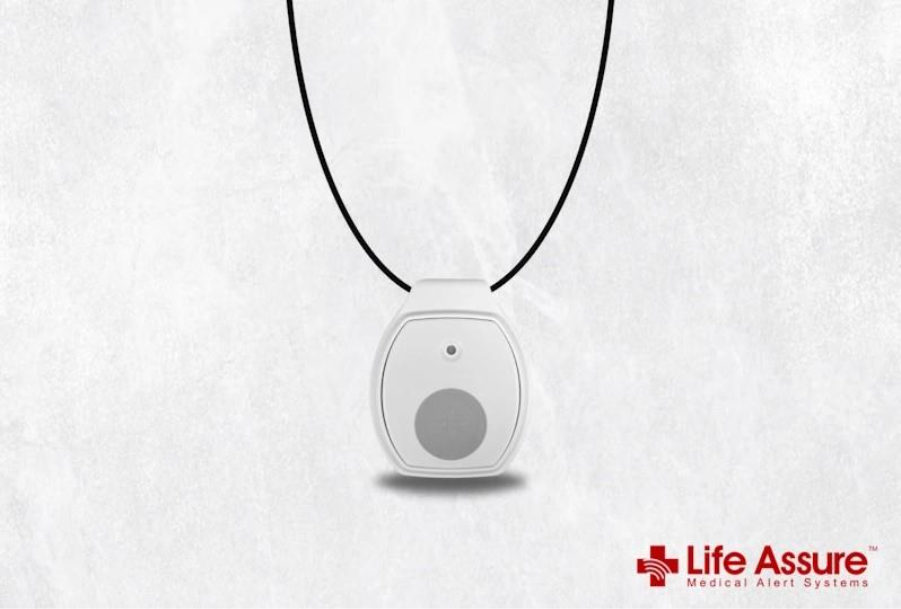
Medical care alerts are rather detection-based, not reaction-based. These systems constantly monitor movement, identify unusual patterns, and provide help independently instead of having to call on your own capabilities to do so. This process is silent and does not disrupt the daily routine, but is always accessible at any time.
They eliminate physical strength, memory, or speed by working quietly in the background. By knowing the mechanics of this process, from sensing movement to calling in an ambulance, you can appreciate how fall detection is such an important part of health safety.
The sections below discuss the way automatic fall detection works as a continuous and integrated aspect of daily health protection.
Sensor-Based Movement Monitoring
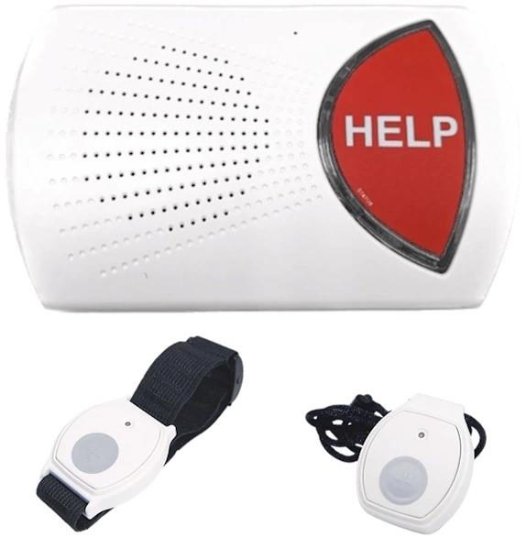
A medical care alert relies on constant monitoring of movement. The wearable device has several sensors that trace the motion of your body during the day. Accelerometers are used to measure speed and direction change, whereas gyroscopes are used to measure changes in body orientation.
Daily routine generates information. There are regular patterns of motion in walking, bending, sitting, stretching, or standing. These systems monitor these trends on a continuous basis and establish a base that denotes normal movement.
Due to the continuous process of monitoring, the device can detect unexpected deviations instantly. This continuous stream of data is the basis of dependable fall detection without the need to input information manually.
Fall Identification Through Impact Analysis
Motion is interrupted when there is an incidence of a fall. The system will pick up a swift decline in acceleration and then a sharp halt. Simultaneously, it determines a change of standing posture to a horizontal or semi-horizontal one.
These cues are significant when combined. Speed, change of orientation, and change of force are hardly ever performed in combination in everyday movements. Sitting is fast, although without impact force. Lying down involves a change in position but has controlled movement.
With the identification of this particular combination, the system identifies a fall event in seconds. This precision is the reason why the detection does not become defensive of daily activity against an emergency.
Algorithm-Based Pattern Confirmation
Once the intelligent software senses abnormal movement, it takes control. The recorded data is analyzed using algorithms and compared with known patterns of falls. These trends represent motion patterns found in the real world, collected via considerable testing.
The relationships between timing, intensity of the force, and the body angles are measured simultaneously and not separately. This level of comparison avoids simplification. When the information is compared to the established fall characteristics, the system verifies the event.
When the movement is consistent with normal behavior, the alert process is inhibited. This step in decision-making describes how fall detection can remain accurate and reduce false alerts. Precision can be further enhanced by constant optimization of pattern libraries and system thresholds without altering everyday use.
Automatic Alert Activation Process
After a fall is detected, a warning goes off automatically. Response is checked by a short prompt or alert tone. This is when it becomes possible to cancel in case the movement is resumed, or assistance is not needed.
In the event of no reply, the escalation takes place instantly. The system transmits an emergency signal without any buttons, commands, or navigation procedures. Silence becomes no longer a hindrance, but a meaningful input.
Such automation eliminates the factor of reaction speed or physical strength. The alert is triggered according to conditions, hence continuity even when disoriented or restricted in movement.
Instant Communication With Monitoring Teams
And following activation, the notification is sent over a secure connection to a 24/7 monitoring center. Two-way voice communication can be opened directly via the device.
This real-time channel allows trained professionals to assess the situation through conversation. Voice clarity, response timing, and verbal cues guide evaluation. If speaking feels difficult or impossible, a lack of response confirms urgency.
The system does not pause for confirmation. Communication failure itself signals the need for immediate action, keeping the response aligned with real conditions. During this stage, operators follow structured response protocols, document the alert details, and prepare emergency coordination simultaneously, ensuring no time is lost between assessment and action.
Location Transmission And Emergency Coordination
Alongside the alert, location data transmits automatically. Home-based systems rely on registered address information, while mobile devices activate GPS to determine exact coordinates.
Monitoring teams use this data to contact emergency services with precise details. Responders receive location and context before arrival, reducing confusion and delay.
All steps operate together rather than sequentially. Detection, confirmation, communication, and coordination function as one connected process. Location verification, signal stability, and responder routing occur simultaneously, allowing assistance to move forward without waiting for additional input or clarification. This integration explains how medical care alerts notify help quickly and accurately, even when personal response feels impossible.
Bottomline
Medical care alerts operate through a structured, automated process. Sensors monitor movement continuously, impact analysis identifies abnormal motion, and algorithms confirm whether a fall occurs. Once confirmed, the system activates alerts without requiring manual input. Two-way communication opens instantly, while location data transmits automatically to guide emergency response. Each step works together rather than in isolation, ensuring speed and accuracy.
By relying on real-time data instead of reaction, medical care alerts remove delay during critical moments. This connected system explains how help is activated precisely when movement, awareness, or communication becomes limited.