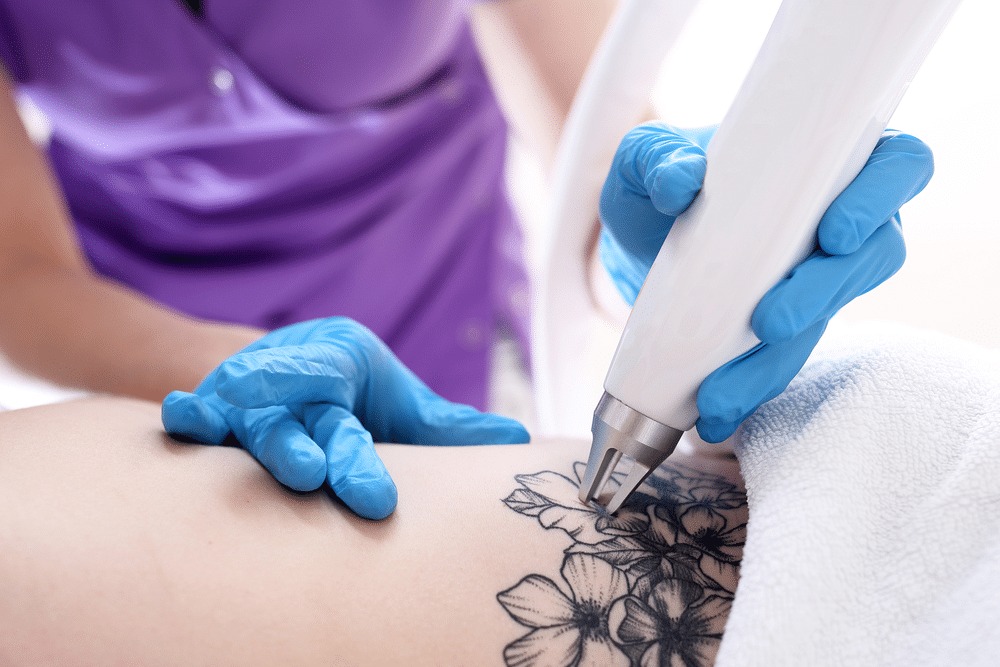
So you’ve got a tattoo that no longer represents who you are, and you’re ready to start fresh. Whether it’s an ex’s name, a design you’ve outgrown, or simply poor-quality work, the decision to remove a tattoo is deeply personal. But here’s the question that stumps many people: how long should you actually wait before starting the removal process?
The answer isn’t always straightforward, and it depends on several factors including your tattoo’s age, your skin’s condition, and your overall health. Understanding the right timing can make a significant difference in your removal results and how your skin responds to treatment.
The Minimum Waiting Period After Getting Inked
If you’ve recently gotten a tattoo and immediately regretted it, you’ll need to exercise patience before jumping into removal treatments. Your skin needs time to heal completely from the initial tattooing process, which typically takes about six to eight weeks.
During this healing period, your skin is regenerating and the tattoo ink is settling into the dermal layer. Starting laser removal too soon can lead to complications like scarring, infection, or uneven pigment removal. Think of it like trying to paint over wet paint – you need a solid, healed foundation to work with.
Most reputable removal specialists won’t even consider treating a fresh tattoo. Your skin needs to return to its normal state, with no redness, swelling, or scabbing present before beginning any removal procedures.
Why Older Tattoos Are Actually Easier to Remove
Here’s some good news: if your tattoo has been around for years, it might actually be easier to remove than a fresh one. Older tattoos naturally begin to fade as your body’s immune system slowly breaks down the ink particles over time.
This natural fading process gives laser treatments a head start. The ink has already begun dispersing, which means fewer sessions may be required to achieve your desired results. Additionally, older tattoos often have less dense pigmentation, making them more responsive to laser technology.
That said, you shouldn’t wait years just hoping your tattoo will fade on its own before seeking removal. The difference between a one-year-old tattoo and a ten-year-old tattoo isn’t dramatic enough to warrant unnecessary delays.
Considering Your Skin’s Current Condition
Beyond the tattoo’s age, your skin’s current health plays a crucial role in determining when to start removal. If you have any active skin conditions, recent sunburns, or open wounds near the tattoo area, you’ll need to wait until these issues resolve.
Tanned skin also requires special consideration. Laser removal works by targeting the pigment in tattoo ink, and excessive melanin from sun exposure can interfere with this process. It’s recommended to avoid sun exposure for at least four weeks before beginning treatment.
If you’re dealing with any medical conditions that affect healing, such as diabetes or immune disorders, consult with Houston’s trusted tattoo removal experts to determine the safest timeline for your specific situation.
The Role of Tattoo Characteristics in Timing
Not all tattoos are created equal, and certain characteristics can influence when you should start removal. Professional tattoos with high-quality ink penetrate deeper into the skin and may require your body more time to stabilize after the initial application.
Amateur or stick-and-poke tattoos, on the other hand, often sit in more superficial skin layers and may be ready for removal sooner. The colors used also matter – black and dark blue inks are easiest to remove, while lighter colors like yellow and white can be more stubborn.
The size and location of your tattoo should factor into your timing decision as well. Larger pieces may benefit from waiting a bit longer to ensure complete healing, while tattoos in areas with thinner skin might need extra recovery time.
Health Factors That Affect Your Timeline
Your overall health and lifestyle choices can significantly impact when you should begin tattoo removal. Smoking, for instance, impairs circulation and slows healing, which means you might need to wait longer between getting a tattoo and starting removal treatments.
Pregnancy and breastfeeding are absolute contraindications for laser tattoo removal, regardless of how long you’ve had the tattoo. The procedure should be postponed until after you’ve finished nursing.
Your immune system’s strength also matters. If you’ve recently been ill or are taking medications that suppress immune function, it’s worth waiting until you’re in optimal health before beginning the removal process.
Making the Right Decision for Your Situation
Ultimately, the ideal waiting period before removing a tattoo varies from person to person. While the general rule is to wait at least two to three months after getting a tattoo, your specific circumstances might require a different approach.
The best course of action is to schedule a consultation with a qualified removal specialist who can assess your individual situation. They’ll examine your tattoo, evaluate your skin condition, and create a personalized treatment plan that maximizes results while minimizing risks. Remember, patience in the beginning often leads to better outcomes and fewer complications down the road.