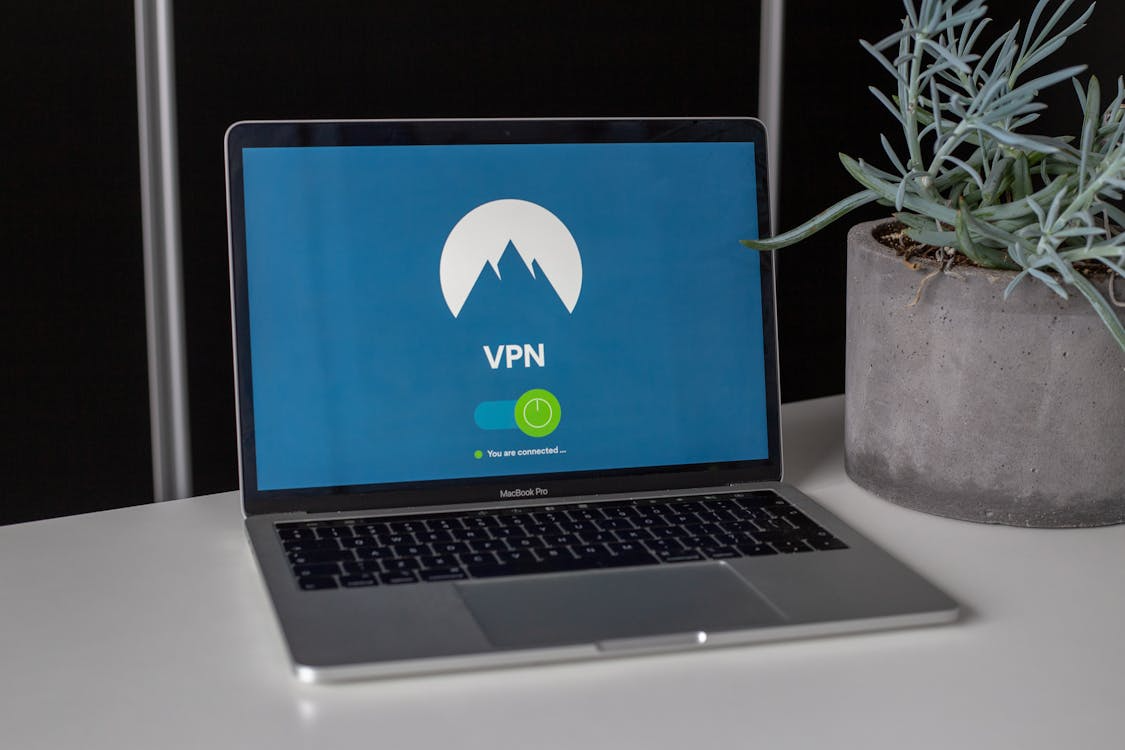
What would you do if your company woke up tomorrow to find its systems locked, customer data stolen, and its name trending on social media for all the wrong reasons? Cyberattacks aren’t rare events anymore — they’re an inevitable part of doing business in a hyper-connected world. From massive data breaches to ransomware disasters, companies are realizing that planning for the worst isn’t paranoia. It’s smart business.
Let’s explore how organizations prepare for cyber chaos — and what happens when they don’t.
Why Worst-Case Thinking Is Now Standard Procedure
Years ago, cybersecurity was often treated like an IT side project. Now? It’s a boardroom priority. Thanks to headline-making hacks like the Colonial Pipeline ransomware attack or the MOVEit breach that affected dozens of U.S. agencies and corporations, executives are no longer shrugging off worst-case scenarios as unlikely events. They’re expected to prepare for them, as if the hackers are already in the building — because sometimes, they are.
Planning for disaster no longer means building higher digital walls. It’s about limiting the damage once the breach happens. Security teams aren’t just asking “How do we stop this?” but also, “What’s our play when we can’t?”
The Rise of the Simulated Catastrophe
Smart companies know that a breach isn’t a question of if, but when. That’s why many are conducting simulated cyberattacks — full-blown mock disasters — to test how their systems, staff, and executives respond under pressure. Think of it as a fire drill, except the flames are digital, and the alarms are phishing emails.
These exercises are part of broader cyber response and crisis management strategies that help companies uncover weak spots before the real panic sets in. Do employees know how to escalate an incident? Does leadership have a communication plan that won’t tank the company’s reputation? Are backups tested and ready to restore?
More than just technical readiness, this kind of planning reveals the human side of cybersecurity. When stress levels are high and information is unclear, people panic, hesitate, or make mistakes. Drills offer the chance to replace guesswork with muscle memory. It’s not just about controlling the damage — it’s about controlling the chaos.
Why Every Department Has Skin in the Game
Cybersecurity isn’t just the IT team’s job anymore. From marketing to HR to customer service, every department has a role when things go south. Hackers don’t just lock systems; they exploit people, processes, and public perception.
Take HR, for example. A ransomware attack that exposes employee tax forms isn’t just a tech issue — it’s a trust issue. Marketing must know how to craft a public statement without making things worse. Legal teams need to understand breach disclosure laws by state, because silence isn’t an option.
That cross-functional involvement is essential. When every team knows what to do in a breach, the company can move faster and with fewer errors. Think of it as cybersecurity being less about code and more about choreography.
Zero Trust Is More Than Just a Buzzword
The phrase “Zero Trust” sounds cynical, but in cybersecurity, it’s wise. It means assuming no device, person, or system should be trusted by default — even if it’s inside the network. This approach minimizes how far hackers can go if they do break in.
It also reshapes how businesses operate internally. Instead of giving employees broad access “just in case,” they’re granted the bare minimum needed to do their job. If credentials get stolen, the damage stops at the door.
This strategy has gained traction as remote work and cloud tools have erased the traditional network perimeter. You can’t just defend the castle walls when your workforce is scattered across coffee shops, home offices, and third-party apps.
Backups: Boring but Lifesaving
Backups may not be glamorous, but when ransomware locks every file and demands payment in crypto, they become a lifeline. Businesses that regularly test and store backups offline can skip the ransom and restore operations quickly.
However, not all backups are equal. It’s not enough to simply have them — companies must verify that those backups work, are current, and include critical systems. A corrupted backup or one stored on the same compromised network is basically a paper umbrella in a hurricane.
Backups aren’t a “set it and forget it” solution. They need to be part of an evolving strategy that includes multiple formats and locations.
The Human Factor Is Still the Weakest Link
Despite all the tech wizardry out there, most successful cyberattacks begin the same way: someone clicks a suspicious link. That’s why training employees to recognize threats — from phishing scams to social engineering — is more valuable than any firewall.
But effective training isn’t just about watching a dull video once a year. The best programs use real-world examples, run surprise phishing tests, and reward good security habits. They create a culture where people feel comfortable reporting mistakes quickly, rather than hiding them in fear of punishment.
After all, the faster a company knows something’s wrong, the faster it can respond.
Insurance and Regulations: The New Normal
Cyber insurance is booming. As attacks rise, insurers are setting higher standards before offering coverage. Businesses must now prove they have robust security in place — like multi-factor authentication, endpoint protection, and incident response plans.
At the same time, state and federal regulations are tightening. California’s Consumer Privacy Act (CCPA) and New York’s SHIELD Act are just the beginning. Companies are being held accountable not just for preventing breaches, but for how they respond when one occurs.
Regulatory fines and lawsuits can be just as damaging as the hack itself. Planning for compliance is now baked into every good cybersecurity plan.
Why the Fallout Can Last Longer Than the Hack
A breach may be over in hours, but the impact can last for years. Customers lose trust. Share prices drop. Lawsuits pile up. For small businesses, the blow can be fatal.
Recovery isn’t just technical — it’s reputational. Companies that handle breaches with transparency, empathy, and speed tend to bounce back faster. Those that deflect, delay, or minimize get dragged in the court of public opinion.
It’s not about being perfect. It’s about being prepared to say, “Here’s what happened, here’s what we’re doing, and here’s how we’ll make it right.”
No cybersecurity plan is foolproof, but the worst-case scenario doesn’t have to be a death sentence. With the right mix of planning, practice, and humility, businesses can face digital disaster without falling apart.
And let’s be honest — if the hackers are going to show up uninvited, the least we can do is be ready when they do.
Read More My Next Mag