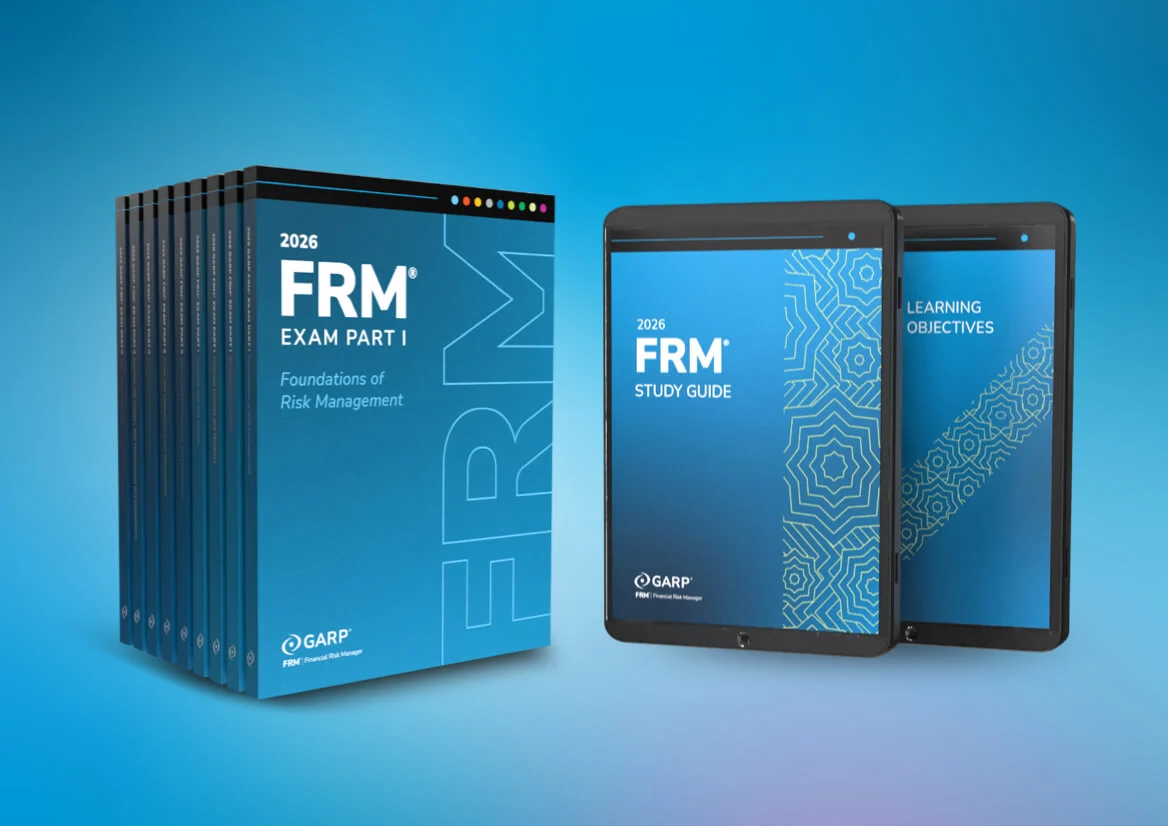
Money markets in 2026 operate under a new set of rules compared to the early 2020s. Between the rise of autonomous AI systems and brittle trade relations, companies no longer view risk teams as mere compliance checklists. Instead, these professionals now sit at the center of corporate strategy. Securing an FRM designation has become the standard move for career starters in risk. With inflation affecting tuition, the main concern for most is whether the FRM course fees will pay for themselves through better job offers.
Evaluating the return on investment for this certification requires looking past the initial enrollment costs and observing the growth in specialized hiring. In 2026, the scarcity of talent capable of navigating financial risk management in a volatile market has created a unique market for certified professionals.
Current FRM Course Fees Breakdown for 2026
Entering the FRM program involves a cost structure set by the Global Association of Risk Professionals (GARP). While GARP maintains uniform pricing globally, Indian students see price shifts dictated by the current USD to INR conversion rates.
1. Enrollment and Registration Costs
Starting the certification process in 2026 involves a fixed $400 enrollment fee for all new students. Following this, the Part I and Part II exams each carry their own registration costs that you pay as you schedule them.
- Early Bird Registration: $600 per part.
- Standard Registration: $800 per part.
When converting these to local currency, a student aiming for early registration should budget approximately ₹85,000 to ₹90,000 for the exams. If you miss the early window, the FRM course fees for the standard period can push the total past ₹1,10,000.
2. Study Materials and Training
Using just the official GARP textbooks might work, but the majority of students pick outside prep centers to handle the tough quantitative parts. Expect to pay anywhere from ₹25,000 to ₹45,000 for a quality course this year. These packages bundle together video lessons and mock tests to help you get used to the actual exam format.
3. Ancillary Expenses
Do not overlook the smaller costs. An authorized financial calculator costs about ₹4,500. Additionally, candidates should account for potential deferral fees ($250) or membership dues if they choose to join the GARP professional network.
The Rising Demand for Financial Risk Management Expertise
Paying the FRM course fees is a big ask for any student, but the 2026 job market makes a strong case for it. Companies are desperate for people who know financial risk management inside and out. This surge in hiring is largely due to three massive shifts currently hitting the world economy.
AI Governance and Algorithmic Risk
Banks in 2026 face a new reality where biased credit models can cause as much damage as a recession. To counter this, they are recruiting FRM charterholders to lead their AI safety divisions. This niche has become one of the highest-paying sectors in finance because it requires a rare mix of technical precision and legal awareness.
The Geopolitical Volatility Premium
We are seeing a massive migration of FRM talent into the manufacturing and technology sectors. Unstable trade routes mean that a single delay can cost billions, so these conglomerates are building robust risk units to protect their margins. They need people who can run complex simulations on exchange rates and resource scarcity. This trend has widened the career path for risk experts, adding thousands of new roles outside the traditional banking world.
Regulatory Tightening
Central banks have increased their scrutiny of capital adequacy. The full implementation of recent regulatory updates means that every mid-sized financial firm now needs a dedicated team to manage liquidity and operational resilience. For a certified professional, this translates to job security and rapid upward mobility.
Comparing Costs to Potential Earnings
You can see the value of the FRM course fees by looking at the paychecks of new hires. By early 2026, fresh FRM holders in India are pulling in anywhere from ₹8 Lakhs to ₹12 Lakhs a year right out of the gate.
| Experience Level | Average Annual Salary (2026) |
| Entry-Level (0-2 years) | ₹8,00,000 – ₹12,00,000 |
| Mid-Level (3-6 years) | ₹16,00,000 – ₹25,00,000 |
| Senior/AVP (7+ years) | ₹35,00,000 – ₹55,00,000+ |
Why 2026 is the Strategic Year for Certification
Right now, the doors to financial risk management roles are swinging wide, but they won’t stay that way forever. GARP is already toughening the syllabus with heavy doses of data science and current market volatility topics. Securing your FRM title now lets you beat the upcoming hike in passing standards and curriculum density.
Furthermore, the networking opportunities provided by Zell Education help bridge the gap between passing the exam and landing a role at a “Big Four” firm or a global investment bank. The investment in FRM course fees is not just for a certificate; it is for a seat at the table where the most critical business decisions are made.
The field of financial risk management is no longer a niche corner of finance. It is the engine room of corporate stability. As we move deeper into 2026, the gap between those who can quantify uncertainty and those who cannot will only widen. While the price of the course is a factor, the cost of remaining unskilled in a high-stakes economy is far greater.
Sector-Specific Demand in 2026
The appetite for FRM holders has moved beyond the traditional banking sector. In 2026, we see a massive spike in hiring from:
Fintech and Neo-Banks
Digital banks run on small teams and heavy tech, which changes how they handle safety and cash flow. Because they face unique threats like cyber-attacks and sudden bank runs, they pay top dollar for FRM experts who can build live tracking systems.
Energy and Commodities
As the world shifts toward green energy, wild price swings in lithium, cobalt, and carbon credits have forced energy firms to put financial risk management at the center of their operations. These companies now hunt for experts who can protect them against unpredictable weather and sudden political changes in mining hubs.
Hedge Funds and Private Equity
As alternative investments become more mainstream, the need for rigorous stress testing has grown. FRM holders are being hired to ensure that aggressive investment strategies stay within the risk tolerance of institutional investors.
Analyzing the Long-Term ROI
When you calculate the FRM course fees, you must look at the five-year horizon. A professional who starts at ₹10 Lakhs in 2026 can realistically expect to double that figure by 2029 with the right experience.
The certification acts as a global passport. Unlike many local degrees, the FRM is recognized in London, New York, Singapore, and Dubai. This mobility adds an intangible value to the FRM course fees that is hard to see in the career paths of alumni.
Preparing for the Investment
Worried about the FRM course fees? You might not have to bear the cost alone. Plenty of companies today run reimbursement programs where they pay you back for the exam once you clear it. To protect your wallet further, training with Zell Education gives you the edge needed to pass on your first try, saving you from paying those FRM course fees a second time.
The 2026 market doesn’t just want workers; it wants specialists. The financial risk management designation proves you have the stamina and the intellect to handle the world’s most difficult financial questions. The investment today is the foundation for a career that remains relevant regardless of market cycles.