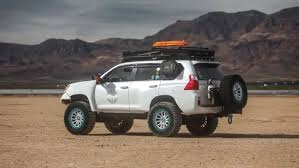
Australia offers some of the most spectacular remote landscapes in the world, from the rugged Kimberley region to the sweeping dunes of the Simpson Desert. It is no wonder that overlanding and off-grid camping have become massive lifestyle movements for both families and solo adventurers. For many Australians, the ultimate dream involves packing up a reliable 4WD and escaping the city for weeks at a time. The vehicle you choose forms the foundation of this lifestyle, and the Ford Ranger stands out as a prime example of a touring favourite. According to recent Federal Chamber of Automotive Industries VFACTS data, the Ford Ranger and related Everest account for over 80 percent of Ford’s sales volume in Australia. This incredible popularity makes it an ideal platform for customisation, supported by a massive aftermarket industry. However, taking a factory-standard ute into the harsh outback requires some serious preparation to guarantee both comfort and safety.
Enhancing Performance and Towing Capability
When you start adding steel bullbars, heavy rooftop tents, long-range fuel tanks, and dragging a heavy camper trailer, your vehicle’s engine has to work significantly harder than it was originally intended to. Factory setups are designed primarily for everyday suburban driving, not for hauling tonnes of gear across soft sand or up steep, rutted mountain tracks. Improving your engine’s ability to breathe is a top priority for serious overlanders. A highly sought-after modification for improving towing torque and overall engine efficiency is upgrading to a next gen ranger exhaust. A premium aftermarket exhaust reduces exhaust gas temperatures and allows the turbo to spool up faster. This ensures your vehicle has the necessary low-end grunt to pull heavy loads reliably, preventing the engine from overheating during long highway stints or challenging off-road climbs. This upgrade also provides a much deeper, more aggressive exhaust note that many 4WD enthusiasts love.
Establishing Reliable Off-Grid Power Systems
Living comfortably off the grid means having a reliable power source to keep your food cold, your camp lights illuminated, and your electronic devices fully charged while miles away from civilization. A comprehensive 12V dual-battery system is arguably the most important lifestyle upgrade for any touring setup. Most modern 12V setups incorporate a DC-to-DC charger that intelligently draws power from the vehicle alternator while driving and from roof-mounted solar panels when parked at a remote campsite. To ensure your dual-battery setup and camp fridge never lose power on the trail, it is essential to manage your power draw efficiently. When clearing outback tracks or setting up camp, many overlanders now use electric chainsaws or blowers instead of noisy petrol versions. Selecting high-quality, battery-powered supplementary gear ensures you can clear debris without placing unnecessary strain on your vehicle’s 12V solar system. This approach allows you to stay completely self-sufficient and extend your time out in the bush.
Upgrading Suspension and Load Carrying Capacity
Weight is the natural enemy of any four-wheel drive. Once you load up with camping gear, passengers, heavy recovery equipment, water tanks, and reserve fuel, it is very easy to approach or even exceed your vehicle’s legal Gross Vehicle Mass limit as defined by national transport regulations. Stock suspension is simply not designed to handle the continuous strain of heavy accessories over thousands of kilometres of corrugated dirt roads. A heavy vehicle on factory springs will suffer from poor handling, dramatically reduced braking performance, and minimal ground clearance when fully loaded. Investing in an aftermarket suspension kit tailored to your specific constant load is critical for a touring build. A proper setup will level out your vehicle, absorb harsh outback corrugations, increase your underbody clearance, and provide a much safer ride for everyone in the cabin.
Must-Have Recovery and Safety Gear
Even the most capable and well-equipped vehicles driven by experienced off-roaders can get bogged in deep mud or soft desert sand. Building the ultimate adventure vehicle means proactively preparing for the worst-case scenario. Before heading into the outback, ensure your rig is equipped with the following essentials:
- Recovery Tracks: These portable boards provide instant traction when stuck in sand or mud and are far easier to deploy than setting up a winch.
- UHF Radio: Communication is vital in remote areas without mobile phone reception. A high-quality UHF radio lets you communicate with road trains, station owners, and other convoys on the track.
- First Aid Kit: A comprehensive remote area first aid kit is non-negotiable. Knowing and mastering high-impact response skills for modern safety and trauma readiness can be vital when treating injuries, especially when emergency services are hours or even days away.
- Air Compressor and Tyre Deflator: Dropping your tyre pressure is the single best way to gain traction off-road, making an onboard air compressor essential for reinflating them when you return to the bitumen.
Building an off-grid adventure vehicle is a highly rewarding project that transforms how you experience the great outdoors. By focusing on smart performance upgrades, reliable power systems, and proper safety gear, you can create a rugged home on wheels. With the right preparation, your 4WD will comfortably take you to the most remote corners of the country and bring you back safely.