Introduction to DL 275
Delta Flight DL 275 recently made headlines due to its unexpected diversion at Los Angeles International Airport (LAX). Diversions in commercial aviation, while uncommon, occur to ensure passenger safety and address unforeseen circumstances such as technical issues, weather disturbances, or air traffic congestion. Understanding the incident surrounding DL 275 is crucial for passengers, aviation enthusiasts, and industry observers. The flight’s diversion highlights the complexities of airline operations, including decision-making processes, crew coordination, and airport logistics that prioritize safety above all else.
Background and history of DL 275
Flight DL 275 operates regularly between major domestic and international airports, serving thousands of passengers annually. Historically, this route has maintained a reputation for punctuality and reliability. The aircraft used for DL 275 is equipped with standard safety systems, routine maintenance schedules, and experienced crew members. Examining the operational history of DL 275 allows for a better understanding of why the recent diversion at LAX was notable and how the airline manages such situations to minimize disruption.
Reasons for the diversion of DL 275

The diversion of DL 275 can be attributed to multiple potential factors. Common reasons include sudden weather changes, technical anomalies, or operational delays in the original airport. Airlines like Delta Airlines follow strict safety protocols, meaning the decision to divert DL 275 was likely made after careful evaluation. Diverting a flight ensures passenger safety and prevents any escalation of risks. Understanding the rationale behind the DL 275 diversion provides insight into airline priorities and the aviation industry’s risk management procedures.
Passenger experience during DL 275 diversion
Passengers aboard DL 275 experienced a mix of surprise and concern when the flight was rerouted. Communication from the flight crew played a key role in keeping passengers informed and calm. Airlines often provide updates on estimated arrival times, alternative arrangements, and accommodations for affected travelers. Analyzing passenger experiences during the DL 275 diversion sheds light on the importance of transparent communication and customer service during unexpected incidents.
Airline response and operational management
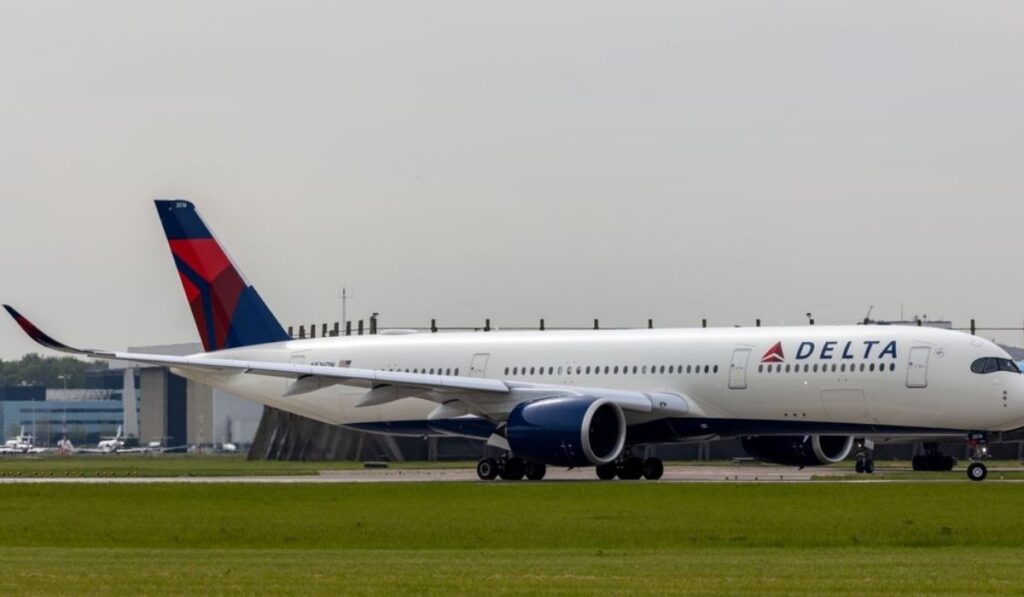
The response of Delta Airlines during the DL 275 diversion demonstrates the airline’s operational efficiency. Coordinating with air traffic control, ground handling teams, and customer service staff is critical during such events. The airline ensured that DL 275 passengers were accommodated and rerouted safely, while also managing aircraft scheduling and airport operations. This incident illustrates the complex coordination required to maintain service quality during unexpected disruptions in airline schedules.
Safety protocols in place for DL 275
Every flight diversion, including DL 275, follows strict safety procedures. Flight crews are trained to handle in-flight emergencies, technical malfunctions, and environmental hazards. Airlines maintain checklists and communication channels to respond to any anomalies promptly. Reviewing the safety protocols associated with DL 275 highlights the aviation industry’s commitment to protecting passengers and crew, ensuring that safety remains the top priority even during unforeseen circumstances.
Impact on other flights and schedules

The diversion of DL 275 had ripple effects on subsequent flight schedules, demonstrating how one incident can influence airport operations. Air traffic control, ground teams, and other airlines must adapt to changes caused by a diverted flight. Understanding the broader operational impact of DL 275 helps contextualize the challenges faced by airports and airlines during unexpected disruptions, and the strategies used to maintain overall efficiency and passenger satisfaction.
Media coverage and public reaction
News outlets and social media extensively covered the DL 275 diversion. Media reports provided updates on the flight’s status, passenger experiences, and airline statements. Public reactions ranged from concern for passenger safety to curiosity about the reasons behind the diversion. Analyzing media coverage of DL 275 emphasizes the role of transparent communication and timely updates in shaping public perception and maintaining trust in airline operations.
Lessons learned from the DL 275 incident
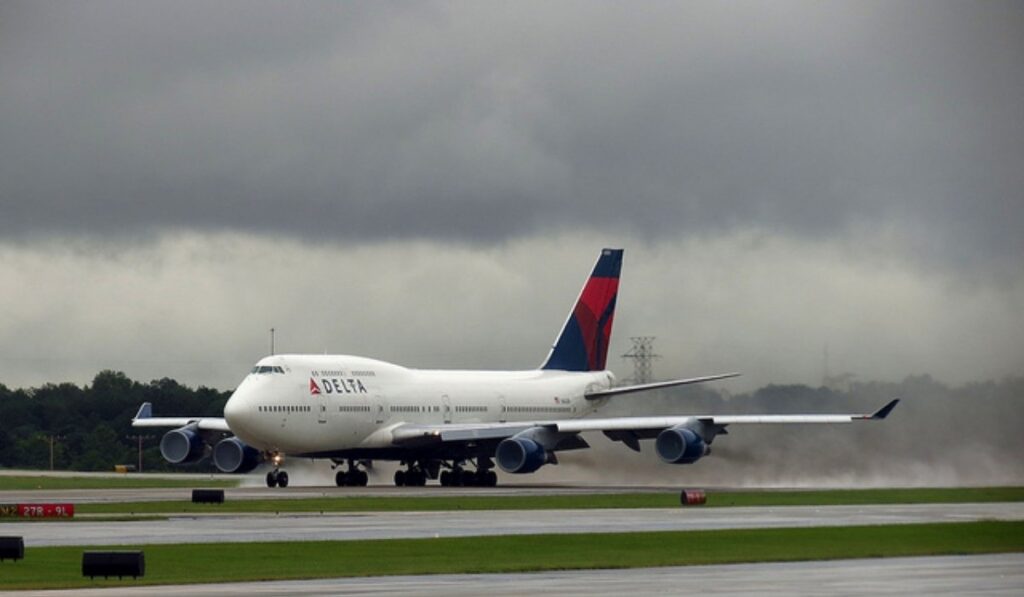
The DL 275 diversion underscores several important lessons. Airlines must prioritize communication, safety, and operational efficiency. Passengers benefit from flexibility, patience, and understanding the rationale behind diversions. This incident highlights how prepared airlines can minimize disruption while ensuring passenger safety. Evaluating DL 275 provides a case study in effective airline crisis management, demonstrating the importance of contingency planning and proactive operational decisions.
Future implications for airline safety
Incidents like the diversion of DL 275 influence future airline protocols and safety improvements. Aviation authorities and airlines review diversions to enhance procedures, training, and equipment reliability. For passengers and the industry alike, analyzing DL 275 emphasizes the ongoing commitment to safety, efficiency, and quality service. Airlines continue to integrate lessons learned to ensure that future flights benefit from improved operational standards, making air travel safer and more reliable.
Final thoughts on DL 275
The diversion of Delta Flight DL 275 serves as a reminder of the complexities involved in commercial aviation. From safety protocols and operational management to passenger experience and media coverage, every aspect of the DL 275 diversion provides insight into how airlines maintain high standards of safety and service. For those seeking additional information on airline operations and flight diversions, you can explore DL 275.
Frequently Asked Questions
1. What caused DL 275 to divert at LAX?
- The diversion of DL 275 was due to precautionary measures ensuring passenger safety.
2. Were passengers on DL 275 affected by the diversion?
- Passengers were rerouted safely and provided with updates and assistance.
3. How did Delta Airlines handle the DL 275 diversion?
- Delta coordinated with air traffic control and ground staff to manage the reroute efficiently.
4. Did the DL 275 incident affect other flights?
- Yes, the diversion impacted airport scheduling and required coordination with other flights.
5. Is DL 275 now operating on its regular route?
- Yes, DL 275 has resumed its standard schedule following the incident.