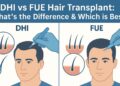
Are you tired of dealing with hair loss and balding patches? DHI hair transplant might be the solution you’ve been looking for. This innovative technique offers a range of benefits that set it apart from traditional hair transplant methods.
- DHI hair transplant is a minimally invasive procedure that doesn’t require any cutting, stitching, or scarring.
- The technique uses a special tool called a Choi Implanter Pen to extract and implant hair follicles one by one, resulting in a more natural-looking outcome.
- This precise approach allows for a higher density of transplanted hair, giving you fuller and more defined results.
- With DHI hair transplant, there is minimal downtime, and most patients can return to their regular daily activities within a few days.
- The recovery process is typically faster and more comfortable compared to other hair transplant methods.
So, if you’re looking to regain your confidence and achieve a fuller head of hair, consider the benefits of DHI hair transplant. Say goodbye to hair loss woes and hello to a new, more vibrant you!
Quick Bio
| Full Name | DHI Hair Transplant |
|---|---|
| Known For | Revolutionizing hair transplant procedures |
| Nationality | Various |
| Profession | Hair transplant technique/surgery |
| Notable Achievements | Minimally invasive hair transplant procedure, natural looking results, quick recovery time |
| Recognition | Widely recognized in the field of hair transplantation for its innovation and effectiveness |
Why Choose DHI Hair Transplant Technique?
When it comes to choosing a hair transplant technique, the DHI method stands out for several reasons. One of the main advantages of the DHI hair transplant technique is its minimally invasive nature. Unlike traditional hair transplant methods that require the surgeon to create incisions in the scalp, DHI uses a special Choi Implanter Pen to directly implant the grafts onto the recipient area. This results in less trauma to the scalp and faster healing times for the patient.
Another reason why many people choose DHI is the precision it offers. The Choi Implanter Pen allows for more accurate placement of the hair grafts, ensuring a natural-looking result. This is especially important when it comes to creating a hairline that complements the patient’s facial features.
Additionally, DHI hair transplant technique typically results in a higher graft survival rate compared to other methods. This means that more of the transplanted hair follicles are likely to take root and continue to grow, resulting in a fuller head of hair.
Furthermore, DHI hair transplant is a suitable option for individuals with a busy lifestyle as it requires minimal downtime. Patients can typically resume their normal activities within a few days of the procedure.
Overall, the DHI hair transplant technique offers a combination of precision, natural results, high graft survival rates, and minimal invasiveness, making it a popular choice for those looking to restore their hair.
The Process of DHI Hair Transplant Surgery
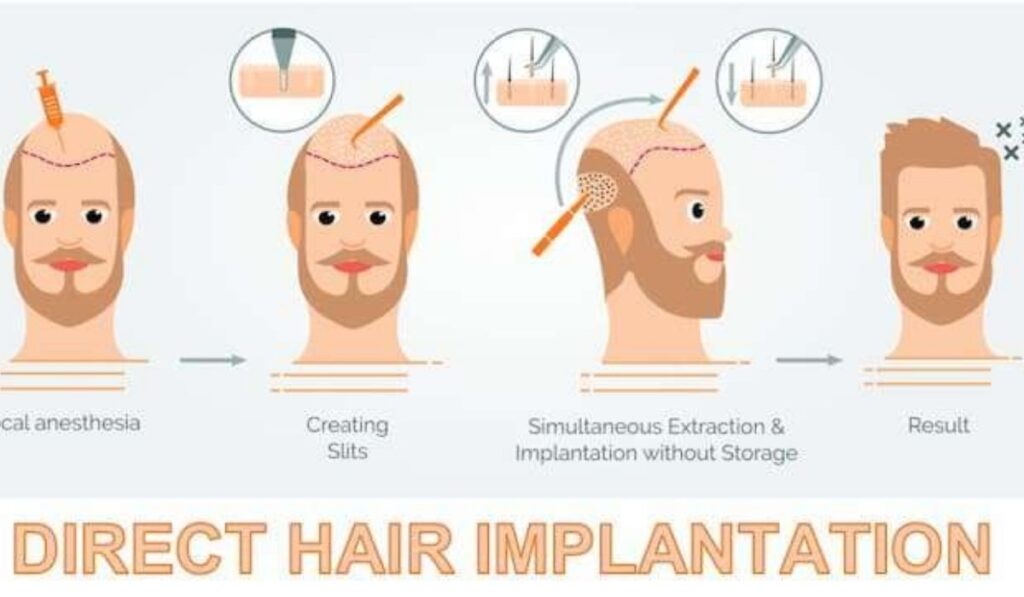
During a DHI hair transplant surgery, the process involves the extraction of hair follicles from a donor area and then implanting them into the balding or thinning areas of the scalp. The first step is to administer local anesthesia to numb the donor and recipient areas to ensure the patient’s comfort throughout the procedure.
Next, small incisions are made in the donor area to carefully extract individual hair follicles using a specialized DHI tool. This tool allows for precision in selecting and collecting the follicles, minimizing trauma to both the donor and recipient sites. The extracted hair follicles are then stored in a holding solution to keep them viable for transplantation.
Once enough hair follicles have been harvested, the surgeon meticulously implants them into the recipient area using the same DHI tool. The unique design of the tool allows for precise control over the depth, angle, and direction of the implanted follicles, ensuring a natural-looking result. This process continues until the desired level of coverage and density is achieved.
Overall, the DHI hair transplant surgery offers a minimally invasive technique that results in minimal scarring, faster healing times, and natural-looking results. It is a popular choice for those seeking a permanent solution to hair loss.
Achieving Natural Results with DHI Hair Transplant
DHI hair transplant is a revolutionary method that allows for achieving incredibly natural-looking results. Unlike traditional hair transplant techniques, DHI involves the use of a specialized tool called a Choi Implanter Pen to extract and implant individual hair follicles. This precise method ensures that the hair follicles are implanted at the correct angle and depth, mimicking the natural growth pattern of your hair.
One of the key benefits of DHI hair transplant is that it does not require the shaving of the recipient area. This means that patients can maintain their existing hair length and style during the transplant process, leading to a more discreet and seamless transition. Additionally, the Choi Implanter Pen minimizes trauma to the scalp, leading to faster healing times and minimal scarring.
Patients undergoing DHI hair transplant can expect natural-looking results that blend seamlessly with their existing hair. The individualized approach of DHI ensures that the hairline is designed to suit each patient’s unique facial features, resulting in a personalized and natural outcome. Moreover, the high survival rate of implanted hair follicles in DHI leads to a denser and fuller appearance.
Overall, DHI hair transplant offers a safe and effective solution for individuals looking to restore their hairline with natural results. By choosing this innovative technique, you can achieve a fuller head of hair that looks and feels completely natural.
Is DHI Hair Transplant Right for You?
DHI hair transplant is a popular method of hair restoration that involves extracting individual hair follicles from the donor area and implanting them directly onto the recipient area using a specialized tool called a Choi Implanter Pen. This technique offers a more precise and natural-looking result compared to traditional FUE methods.
One of the key reasons why DHI hair transplant may be the right choice for you is its minimally invasive nature. The procedure is typically performed under local anesthesia, which means you can avoid the risks and recovery time associated with general anesthesia. Additionally, the Choi Implanter Pen allows for more control and accuracy during the implantation process, resulting in a higher survival rate of the transplanted hair follicles.
Another benefit of DHI hair transplant is the ability to achieve dense packing, meaning more hair follicles can be transplanted in a single session compared to other methods. This can be especially beneficial for individuals with advanced hair loss or those looking to restore their hairline with a natural-looking density.
It is important to note that DHI hair transplant may not be suitable for everyone. The procedure can be more time-consuming and costly compared to other hair restoration methods. Additionally, not all individuals may be good candidates for DHI due to factors such as the quality of their donor hair, the extent of their hair loss, and their overall health.
Before deciding if DHI hair transplant is right for you, it is crucial to consult with a qualified hair transplant specialist who can assess your specific needs and goals. They can provide you with personalized recommendations and help you determine the best course of action for achieving your desired results. Ultimately, choosing the right hair restoration method is a personal decision that should be made with careful consideration and guidance from a knowledgeable professional.
Understanding the Cost of DHI Hair Transplant
DHI (Direct Hair Implantation) hair transplant is a specialized hair restoration technique that involves extracting hair follicles one by one from the donor area and implanting them directly into the recipient area. This method is known for its precision and effectiveness in achieving natural-looking results.
When considering the cost of a DHI hair transplant, it’s important to understand the factors that can influence the overall price. The cost of a DHI hair transplant can vary depending on the clinic, the experience of the surgeon, the number of grafts needed, and the location of the clinic. It’s essential to do thorough research and consult with multiple clinics to compare prices and find the best option for your specific needs.
One important factor to consider is the number of grafts required for the procedure. The more grafts needed, the higher the cost of the transplant. Additionally, the skill and experience of the surgeon performing the DHI hair transplant can also affect the cost. A highly skilled and experienced surgeon may charge more for their services, but their expertise can significantly impact the success of the procedure.
Overall, the cost of a DHI hair transplant may seem like a significant investment, but many patients find that the natural-looking results achieved through this technique are well worth the price. It’s essential to weigh the benefits of the procedure against the cost and choose a reputable clinic with experienced professionals to ensure the best possible outcome.
Maintaining Your Results After DHI Hair Transplant
After undergoing a DHI hair transplant, it’s important to take good care of your newly transplanted hair to ensure long-lasting results. One of the key factors in maintaining your results is following the post-operative care instructions provided by your doctor. These instructions may include guidelines on how to clean and protect your scalp, as well as when to resume normal activities like washing your hair or exercising.
Additionally, it’s important to continue following a healthy lifestyle to support the growth of your transplanted hair. This includes eating a balanced diet rich in nutrients that promote hair health, staying hydrated, and getting regular exercise to improve circulation to the scalp.
Another important aspect of maintaining your results after a DHI hair transplant is to be patient. It can take several months for the transplanted hair to fully grow in and for you to see the final results of the procedure. During this time, it’s important to continue following your doctor’s recommendations and to avoid any activities that could potentially damage the newly transplanted hair follicles.
Overall, with proper care and patience, you can expect to enjoy the results of your DHI hair transplant for years to come. Just remember to follow your doctor’s instructions, live a healthy lifestyle, and give your hair the time it needs to fully grow in.
Comparing DHI Hair Transplant to Other Methods
When it comes to hair transplant methods, there are various options available, each with its own unique benefits and drawbacks. One popular technique is the DHI (Direct Hair Implantation) hair transplant, which has gained popularity for its minimally invasive nature and natural-looking results.
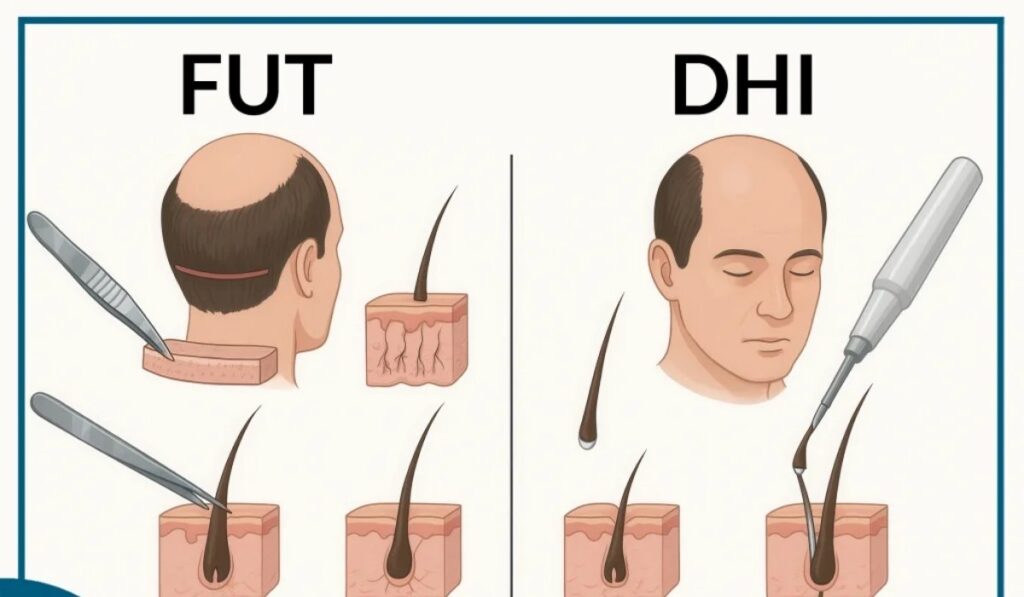
Unlike traditional hair transplantation methods that require incisions and sutures, DHI involves extracting individual hair follicles directly from the donor area and implanting them into the recipient area using a specialized tool called a Choi Implanter Pen. This results in less trauma to the scalp, faster healing time, and a more natural appearance.
One key advantage of DHI hair transplant is its ability to achieve a high density of hair follicles in a single session, making it a preferred choice for those looking to cover a large balding area. Additionally, DHI does not require shaving the entire head, allowing patients to maintain their existing hair length during the procedure.
While DHI may offer several benefits, it’s essential to consider other factors such as cost, recovery time, and the expertise of the surgeon when comparing it to other hair transplant methods. Ultimately, the best choice will depend on individual needs and preferences.
Frequently Asked Questions
What is a DHI hair transplant?
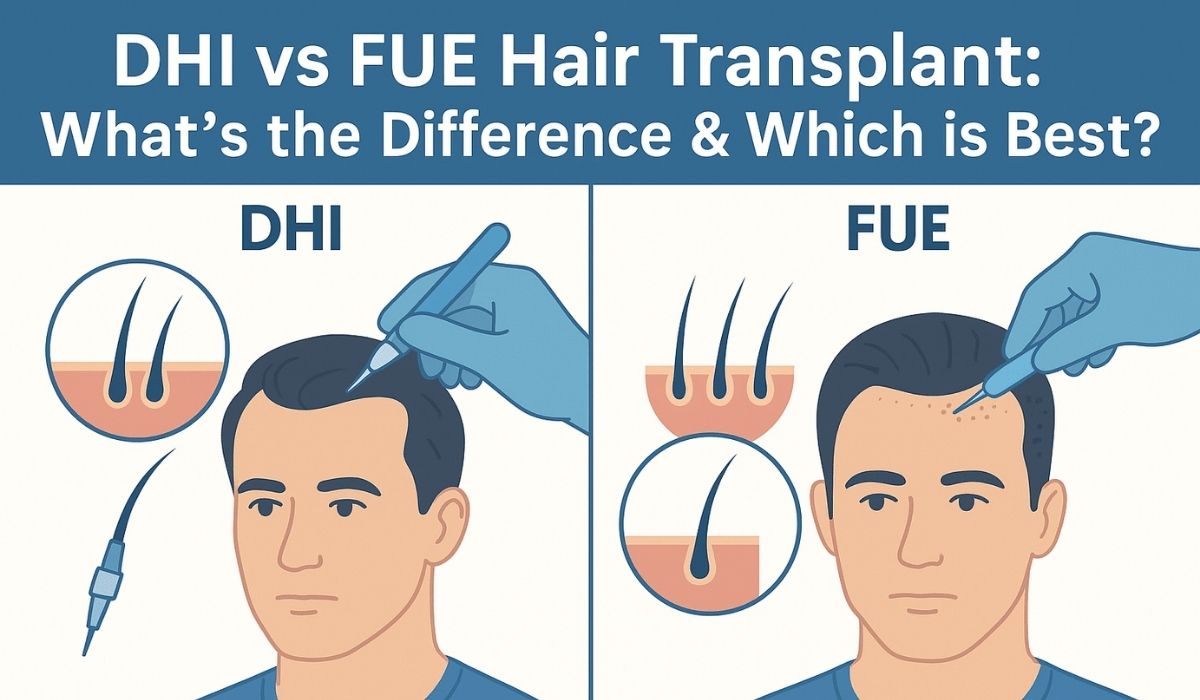
DHI (Direct Hair Implantation) is a modern hair transplant technique where hair follicles are extracted and implanted directly into the scalp using a specialized implanter tool, often without shaving the recipient area. It aims for natural direction, angle, and density of hair growth.
How does DHI differ from traditional methods like FUE?
Unlike traditional FUE where channels are created first and then grafts are inserted, DHI uses a Choi implanter pen to extract and implant follicles in one step, potentially offering more control over placement and a natural result.
Is DHI hair transplant safe?
DHI is generally considered safe and minimally invasive when performed by trained surgeons, with most procedures done under local anesthesia. However, choosing a qualified surgeon is key to reducing risks.
What are common side effects or risks?
Possible side effects include temporary swelling, redness, itching, numbness, mild discomfort, shock loss (temporary shedding), and in rare cases infection or folliculitis. Serious complications are uncommon but possible if aftercare instructions aren’t followed.
Does DHI leave scars?
Because DHI uses very small, precise tools, scarring is minimal compared to older methods, and there is usually no linear scar. Tiny scars at the donor sites may still occur but are often not noticeable.
Read More at Mynextmag