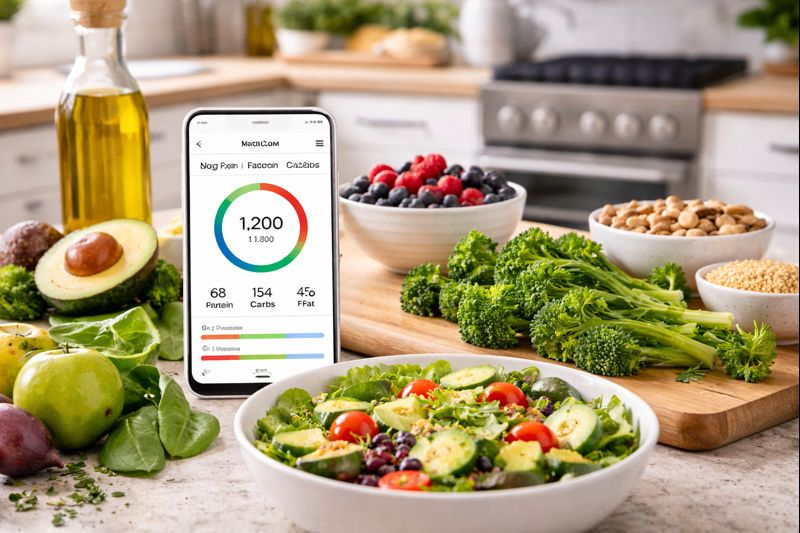
Introduction. Why daily food choices matter
Your daily food choices shape your energy, mood, and long term health. Every meal adds up over time. One unhealthy choice does not cause harm by itself, but repeated poor choices can affect weight, digestion, and focus. Many people struggle because they do not see clear patterns in what they eat. Meals become rushed and snacks become random. This is why guidance is important. When you understand what goes into your body, you can make better decisions without feeling restricted. Healthy eating apps help turn nutrition into something you can see and manage. They replace guesswork with simple data you can act on each day.
How healthy eating apps simplify meal decisions
Healthy eating apps make food planning easier by breaking nutrition into clear parts. You log what you eat and the app shows calories and nutrients. You can see how much protein, fiber, and sugar you consume. Many apps suggest meals based on your goals such as weight control or balanced eating. This removes the need to search for diets or read complex charts. The app works like a guide in your pocket. Instead of asking what should I eat, you look at your daily targets and choose foods that fit. This process saves time and reduces confusion.
Tracking food intake without stress
Tracking food sounds difficult, but apps simplify it. You can scan barcodes, search food names, or save meals you eat often. This reduces daily effort. When tracking becomes easy, it feels less like work. Over time, you start to notice habits. You may see that breakfast is balanced but dinner is heavy. You may notice snacks are high in sugar. These patterns help you improve without strict rules. You learn where small changes can make a big difference. Tracking also helps control portions because you see what you eat instead of guessing.
Using apps to plan balanced meals
Balanced meals include vegetables, protein, and healthy carbohydrates. Apps help you see when one part is missing. If fiber is low, the app suggests foods like vegetables or grains. If protein is low, you can add eggs, beans, or fish. Meal planning tools also help with shopping. You can create grocery lists based on your planned meals. This prevents impulse buying and reduces food waste. Planning also makes cooking easier because you already know what to prepare. With regular use, balanced meals become routine instead of something you try to remember.
How apps support smarter snack choices
Snacking is often where unhealthy habits appear. People snack when tired or bored. Apps help by showing how snacks affect daily totals. You can choose fruit, yogurt, or nuts instead of sweets. Some apps suggest quick snack ideas that match your goals. Planning snacks in advance prevents hunger from leading to poor choices. Learning about foods such as Crocolini and broccolini gives you more vegetable options that cook quickly and taste mild. These vegetables fit into soups, stir fries, and side dishes. They add nutrients without changing your meals too much.
Learning about fats and cooking oils
Fats play an important role in health, but not all fats work the same way. Apps explain this in simple terms. You learn the difference between saturated and unsaturated fats. You also learn which oils suit cooking and which suit salads. Cold-Pressed Oils appear in many food databases because they keep natural nutrients during processing. These oils work well for dressings and light cooking. When you understand fat types, you choose oils based on health and use, not just taste. This knowledge improves heart health and supports balanced meals.
Building consistency with daily guidance
Consistency builds lasting habits. Apps send reminders to log meals or drink water. Some provide daily tips about food choices. These small prompts keep you aware of your goals. Over time, you rely less on reminders because habits form naturally. You begin to think about balance when choosing meals. You stop reacting to hunger and start planning for it. This steady guidance helps you stay on track even on busy days. The app becomes part of your routine rather than a tool you use only sometimes.
Conclusion. Making healthy eating part of everyday life
Healthy eating works best when it feels normal and manageable. Apps give structure, feedback, and planning tools that fit daily life. You learn from your own eating patterns and make simple changes. You do not need perfection. You need awareness and steady effort. With regular use, healthy eating apps turn daily food choices into a skill you can control with confidence.
FAQs
What are healthy eating apps used for?
They help you track food, plan meals, and understand nutrients. You see what you eat each day and adjust choices to stay balanced.
Do I need to log every meal?
Logging works best when you track most meals. Even partial tracking shows patterns and helps improve portion control and food balance.
Can apps help me choose better vegetables?
Yes. Apps suggest foods based on nutrients. You can learn about options like Crocolini and broccolini and add them to meals for fiber and vitamins.
How do apps help with fats and oils?
They show fat types in foods and recipes. You learn when to use Cold-Pressed Oils and how they fit into a healthy diet.
Are healthy eating apps good for long term habits?
Yes. Daily reminders and simple goals build consistency. Over time, healthy choices become part of your normal routine.