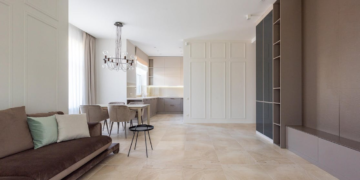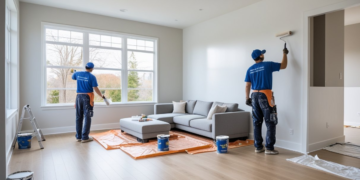
At some point, many homeowners look around and wonder how their house started to feel so tight. The square footage has not changed, yet the rooms seem harder to navigate. Closets are packed, the garage barely fits the car, and the spare bedroom is slowly turning into a holding area for everything that doesn’t have a clear place. It creates a low level of stress that lingers in the background of daily life.
The good news is that you do not need to commit to a costly addition or full renovation to feel comfortable again. In many growing communities like Ridgefield, WA, where families often balance outdoor hobbies, seasonal gear, and busy schedules, belongings accumulate quickly. Instead of expanding your home outward, you can focus on managing what you already own. Smart spatial planning, better storage systems, and selective off-site solutions can restore breathing room and improve how each room functions.
The Hidden Challenge: Managing Seasonal Gear and Excess Furniture
One of the biggest obstacles to creating more space is not everyday clutter but seasonal overflow. Think about holiday decorations, winter coats, camping equipment, or extra dining chairs for guests. These items serve a purpose, yet they sit unused for months. When they remain in closets, garages, or spare rooms year-round, they crowd out the things you actually use each week.
This is usually the point when organizing stuff alone no longer solves the problem. You can install shelves and buy storage bins, but if every corner is already full, you are simply rearranging congestion. Many homeowners realize they need a separate, secure place for items that are important but not used daily. If you live in Ridgefield WA storage units are the most practical solution to your problem. Moving bulky or seasonal belongings to an off-site space opens up your most useful rooms and makes everyday living feel more manageable.
The Psychology of Clutter and Mental Clarity
Clutter affects more than your physical surroundings. When surfaces are crowded and storage areas overflow, your brain registers unfinished tasks and visual noise. You may not consciously think about it, but your environment constantly competes for attention. That subtle distraction makes it harder to relax at night or focus during the day.
When you clear and organize a space, the impact feels immediate. Clean counters, open floors, and accessible storage reduce decision fatigue. You spend less time searching for items and more time using your home as intended. Treating decluttering as part of home improvement rather than a chore shifts your mindset. You are not just tidying up; you are designing a calmer and more efficient living environment.
Maximizing Vertical Space with Smart Shelving and Wall Systems
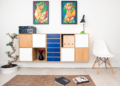
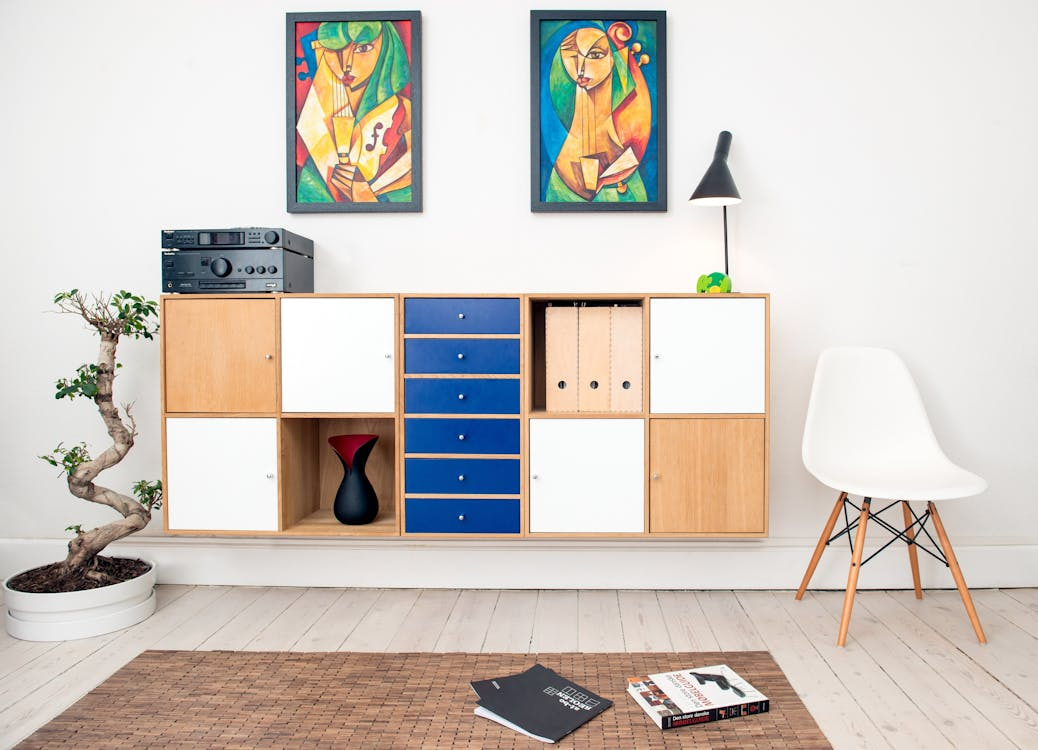
Most homes have untapped vertical potential. Walls, the space above doors, and the upper sections of closets often sit unused. By installing floating shelves, tall bookcases, or wall-mounted cabinets, you move items upward instead of letting them spread across floors and countertops. This approach preserves walking space while increasing storage capacity.
The key is to stay intentional. Use matching bins, clear labels, and consistent spacing so walls feel organized rather than cluttered. Store items you use occasionally on higher shelves and keep daily essentials within easy reach. When you think vertically, you start to see your home differently. Every wall becomes an opportunity to create order without adding a single square foot.
Multifunctional Furniture: The Secret to Hidden Storage
If you want to create space without remodeling, start by looking closely at your furniture. Many modern pieces are designed to do more than one job. Beds with built-in drawers, ottomans with lift-up lids, and storage benches in entryways all help you hide everyday items in plain sight. When you choose furniture that works harder, you reduce the need for extra cabinets or bulky storage units.
Before buying anything new, evaluate what you already own. Could a standard coffee table be replaced with one that holds blankets or board games? Would a platform bed eliminate the need for a separate dresser? Small changes like these add up. Over time, multifunctional furniture creates a cleaner layout and frees up valuable floor space.
Decluttering Strategies: Sorting the “Keep” from the “Store”
Creating more space requires honest decision-making. A simple sorting system makes the process manageable. Divide items into three clear categories: keep for regular use, store for occasional or seasonal use, and donate or sell if they no longer serve a purpose. This structure prevents emotional decision fatigue and keeps the process focused.
Be realistic about how often you use something. If you have not touched it in a year but still value it, consider storing it rather than letting it crowd your living area. At the same time, avoid keeping duplicates or items that are easy to replace. When you make thoughtful choices, you protect your space and reduce unnecessary buildup in the future.
Seasonal Rotation: Keeping Your Current Room Functional
Most homes feel cramped because they try to hold everything at once. Seasonal rotation solves that problem. Store heavy coats, boots, and holiday décor when not in use and bring them back only when needed. The same approach works for patio furniture cushions, sports gear, and even kitchen appliances tied to specific times of year.
Set a reminder at the change of each season to review and swap items. Label containers clearly so you know exactly what is inside. This habit keeps closets and storage areas aligned with your current needs. Instead of constantly shifting piles around, you maintain a streamlined setup that reflects how you live right now.
The “External Closet” Concept: Moving Bulkier Items Off-Site
Even with smart furniture and careful sorting, some items take up too much room. Extra mattresses, inherited furniture, archived documents, or hobby equipment can overwhelm a small home. Treating off-site storage as an external closet gives you flexibility without forcing permanent decisions.
When you relocate bulky belongings, you immediately create functional space in your home. A crowded garage can finally house your car. A spare bedroom can become a true workspace or guest room. The key is to move only what you do not need weekly while keeping access convenient. This approach balances practicality with peace of mind.
Creating Space That Supports Your Lifestyle
Expanding your home is not the only way to make it feel larger. By choosing multifunctional furniture, following a clear sorting system, rotating seasonal items, and relocating bulky belongings when necessary, you take control of how your space works. Each step builds on the others and reduces daily friction.
A well-managed home supports focus, comfort, and flexibility. When every item has a purpose and a place, your rooms feel open and intentional. That sense of order makes everyday routines easier and allows your home to function at its best without adding a single square foot.