Asbestlint refers to tiny, fibrous particles of asbestos that are released into the air when asbestos-containing materials are disturbed. These fibers are not visible to the naked eye, yet they pose serious health risks when inhaled over time. Asbestos has been widely used in construction and industrial applications for decades because of its heat-resistant and insulating properties. However, when materials containing asbestos break down or are improperly handled, they release into the environment. Understanding is crucial because it is one of the primary ways asbestos exposure occurs, leading to serious diseases such as asbestosis, lung cancer, and mesothelioma.
The Origins of Asbestlint
Asbestlint is created whenever asbestos materials degrade or are damaged. Asbestos was commonly used in insulation, roofing, floor tiles, and cement products, especially in buildings constructed before the late twentieth century. Over time, these materials can deteriorate naturally, releasing into the air. Renovation, demolition, and even accidental damage can disturb asbestos fibers, increasing the likelihood of airborne contamination. The microscopic size of allows it to stay suspended in the air for long periods, making it easy to inhale without noticing it. This highlights the importance of awareness and proper handling in homes, schools, and workplaces where asbestos may be present.
Health Risks of Asbestlint

The health risks of asbestlint are severe and long-term. When inhaled, these fibers can lodge deep in the lungs, causing inflammation and scarring. Asbestosis is a chronic lung disease that develops due to prolonged exposure to, leading to difficulty breathing and reduced lung function. Additionally, exposure increases the risk of developing lung cancer and mesothelioma, a rare but aggressive cancer affecting the lining of the lungs, abdomen, or heart. The latency period for these diseases can be decades, meaning individuals exposed to might not experience symptoms until many years later. This delayed onset makes it essential to prevent exposure even when immediate health effects are not apparent.
How Asbestlint Spreads
Asbestlint spreads primarily through the air. Disturbing asbestos-containing materials can release fibers that travel across rooms or even into neighboring buildings if ventilation systems are not properly sealed. Simple actions, such as sanding, drilling, or breaking old asbestos insulation, can generate significant amounts of. Once airborne, the fibers can settle on surfaces, carpets, or furniture, remaining a potential source of exposure for months or even years. Understanding how spreads allows homeowners, workers, and safety inspectors to take preventive measures, such as using proper containment and protective equipment during renovation or demolition projects.
Identifying Asbestlint in Your Environment

Identifying asbestlint requires careful inspection and specialized testing, as the fibers are invisible to the naked eye. Certified professionals use air sampling and laboratory analysis to detect the presence of in homes, workplaces, and public buildings. Common signs that asbestos materials may release include crumbling insulation, damaged ceiling tiles, and deteriorating floor tiles. While some asbestos-containing products are labeled, many older materials may not provide any indication of their content. Professional assessment is necessary to confirm the presence of and to determine the appropriate removal or containment measures to protect residents and workers.
Safe Handling and Removal of Asbestlint
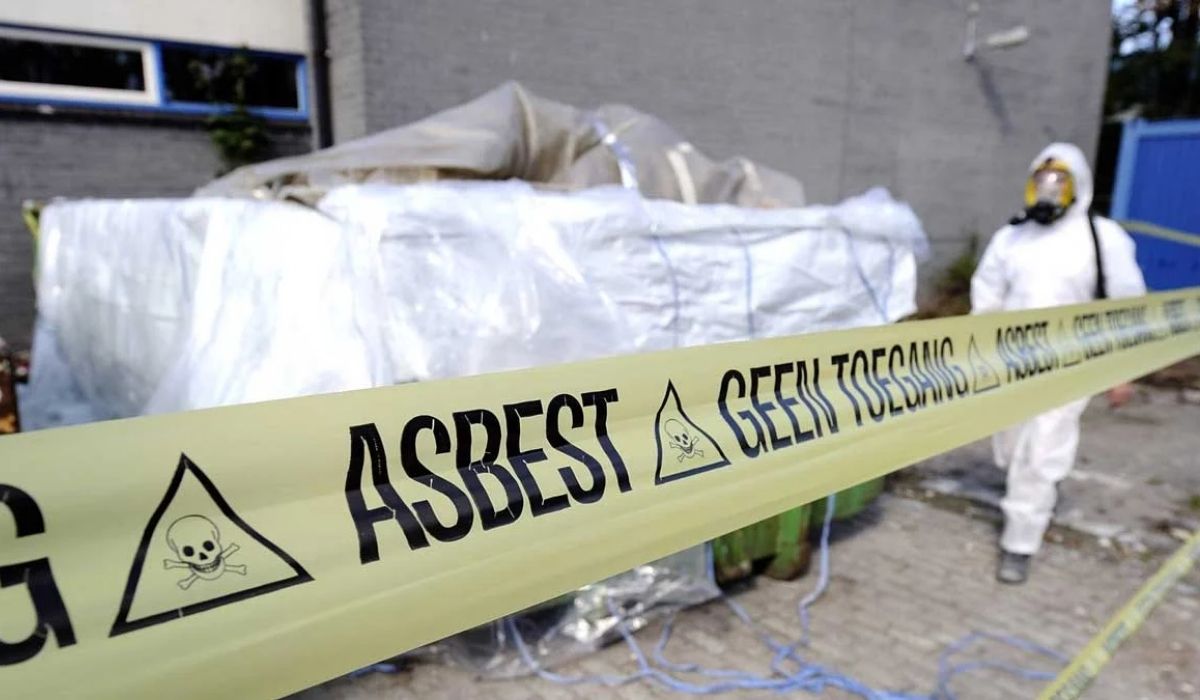
Due to its hazardous nature, asbestlint should never be disturbed by untrained individuals. Professional asbestos abatement companies follow strict protocols to safely remove or encapsulate asbestos materials to prevent the release of fibers. Techniques include wetting materials to prevent dust, sealing off work areas, and using high-efficiency particulate air (HEPA) filtration systems. Personal protective equipment, such as respirators and protective clothing, is essential to reduce the risk of inhaling during removal. Attempting to remove or disturb asbestos materials without proper training can increase exposure and create widespread contamination, making professional handling the safest approach.
Legal Regulations and Asbestlint

Many countries have implemented strict regulations regarding the handling and removal of asbestos to minimize exposure to asbestlint. These regulations often require licensed contractors, proper disposal procedures, and adherence to workplace safety standards. Failure to comply with these regulations can result in legal consequences and pose serious health risks to occupants or workers. Understanding local laws regarding is important for homeowners, property managers, and construction professionals to ensure compliance and to protect public health. Awareness of these rules also promotes safer environments by preventing unintentional release of It.
Preventive Measures for Asbestlint Exposure
Preventing exposure to asbestlint requires vigilance and proactive measures. Avoiding disturbance of asbestos-containing materials is the first step. Regular inspections of older buildings can help identify potential sources of asbestlint before deterioration occurs. Sealing damaged materials, using proper containment, and ensuring proper ventilation reduce the spread of airborne fibers. For workers in construction or demolition, mandatory training on asbestos handling, personal protective equipment, and strict adherence to safety protocols are critical. Preventive strategies not only protect health but also reduce the long-term costs associated with asbestos-related diseases caused by exposure.
The Importance of Public Awareness

Public awareness about asbestlint remains essential to prevent accidental exposure. Many individuals are unaware that asbestos fibers may still be present in older homes, schools, and workplaces. Educational programs, public information campaigns, and professional guidance help people understand the risks of and how to manage potential exposure. Awareness encourages safer renovation practices, responsible disposal, and compliance with regulations. Communities that are informed about are better prepared to protect vulnerable populations, including children, the elderly, and workers who may encounter asbestos materials in their daily environment.
Future Considerations for Asbestlint
Despite regulations and increased public awareness, asbestlint remains a concern due to the vast number of older buildings that still contain asbestos materials. Future strategies must focus on identifying, removing, or containing these materials safely to reduce the long-term health impact. Advances in technology, such as improved air filtration systems and innovative removal techniques, are contributing to safer management of. Continued research into the health effects of low-level exposure, along with stricter enforcement of safety standards, will help minimize the risks associated with asbestlint in the coming years. Protecting public health requires ongoing vigilance and education to address this persistent environmental hazard.
Conclusion
Asbestlint is a significant public health concern due to its microscopic size, ease of airborne transmission, and severe health risks. Understanding what is, how it spreads, and how to manage exposure is crucial for homeowners, workers, and communities. Safe handling, professional removal, regulatory compliance, and public awareness are all key to minimizing the dangers associated with. By prioritizing prevention and education, the risks posed by can be significantly reduced, ensuring safer living and working environments for everyone.
Frequently Asked Questions
1. What is asbestlint?
Asbestlint is a fine dust or fibers released from asbestos-containing materials, which can become airborne and pose serious health risks when inhaled.
2. How can I detect asbestlint in my home?
Detection requires professional inspection and air sampling, as the fibers are microscopic and not visible to the naked eye.
3. Is it safe to remove asbestlint myself?
No, disturbing asbestos materials without proper training and protective equipment increases the risk of exposure and contamination.
4. What are the health risks of asbestlint exposure?
Exposure can lead to asbestosis, lung cancer, and mesothelioma, often developing decades after inhalation.
5. How can I prevent exposure to asbestlint?
Avoid disturbing asbestos-containing materials, conduct regular inspections, follow proper containment procedures, and hire certified professionals for removal.