Most NZ escapes don’t begin with a neat idea of what’s needed. It usually starts with a feeling that things have been full for too long. Days run together. Decisions stack up. Even rest starts to feel like another thing to manage.
At that point, the idea of getting away isn’t about seeing something new. It’s about stepping out of motion for a while. Creating distance from routines that don’t really stop on their own.
The plan, if there is one, tends to form later.
Distance Feels Different in New Zealand
Distance in New Zealand isn’t always measured in kilometres. It’s more about contrast. Noise drops away. Space opens up. The pace of everything changes without being announced.
An NZ escape often feels complete sooner than expected. You don’t need to go far before things start to feel different. Roads stretch out. Landscapes change quickly. Everyday urgency fades a little.
That shift is subtle, but it’s noticeable once you’re in it.
Not Feeling Busy Becomes the Point
One of the first things people notice during an NZ escape is how little there is to do — and how good that feels. There’s no pressure to fill time. No sense that every day needs a purpose.
Mornings start when they start. Afternoons drift. Evenings settle without effort. Time stops feeling scarce.
It’s strange how unfamiliar that can feel at first, especially if life usually runs on deadlines.
Nature Works in the Background
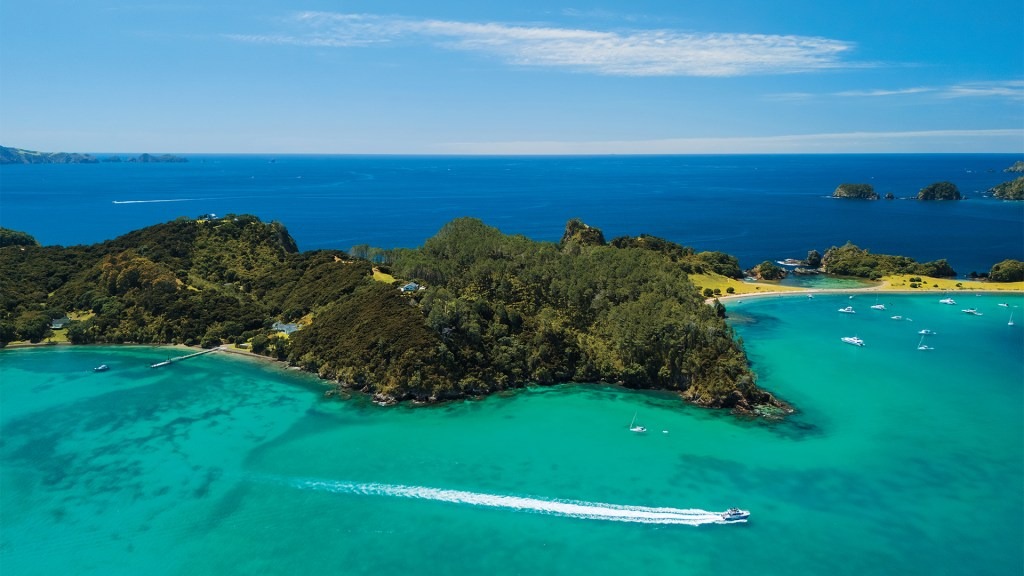
In many places, nature is something you go and see. In New Zealand, it tends to sit quietly in the background.
You don’t have to schedule it. You notice it without trying. Light changes. Sounds shift. Weather moves through without needing to be managed.
That passive presence does a lot of the work. It creates calm without asking for attention.
Comfort Without Formality
Comfort during an NZ escape isn’t usually about luxury in the traditional sense. It’s about warmth, privacy, and spaces that feel easy to exist in.
Places that don’t feel staged. Rooms that make sense. Layouts that don’t need explaining.
When comfort is handled this way, it stops being a feature and becomes part of the atmosphere.
Time Slows Without Being Forced
There’s often a moment when time starts behaving differently. Not dramatically. It just feels less urgent.
You stop checking the clock. You don’t rush meals. Even small decisions feel lighter. Nothing is demanding the next step.
This doesn’t happen because there’s nothing to do. It happens because nothing is competing for attention.
Smaller Escapes Often Work Better
An NZ escape doesn’t need to be long to be effective. In fact, shorter stays often work better because the environment does most of the work.
There’s less adjustment. Less planning. Less pressure to make it “worth it”.
You arrive, settle, and slow down faster than expected.
Privacy Without Isolation
Privacy matters more than people usually admit. Not isolation, but the ability to exist without interruption.
When privacy is done well, you fall into your own rhythm. There’s no expectation to engage or perform. You can be quiet without explanation.
That autonomy is a big part of why an escape feels restorative rather than just different.
Choosing Based on Feeling Instead of Features
People often start planning with features in mind. Views. Amenities. Proximity to things to do.
What tends to matter more is how they want to feel. Calm. Unrushed. Disconnected from routine.
For those exploring an NZ escape that prioritises privacy, natural surroundings, and space to slow down, the appeal is often found in what isn’t included as much as what is.
I’m not even sure I’d have framed it this way while I was there, which is probably why it only makes sense looking back.
When an Escape Turns Into a Reset
There’s usually a moment when the body relaxes before the mind does. Sleep deepens. Breathing slows. Thoughts stop racing ahead.
That moment doesn’t arrive on a schedule. It happens when the environment allows it.
At that point, the escape stops being about getting away and starts feeling like a reset.
Why These Stays Linger
Most people don’t remember every detail of an escape. What stays with them is the feeling it created.
Things felt lighter. Days felt slower. Decisions felt easier. That sense of ease tends to linger even after returning.
It’s not dramatic, but it’s noticeable.
Coming Back Without Needing Recovery
One of the clearest signs that an NZ escape worked is how it ends. The return doesn’t feel jarring. There’s no need to recover from the break itself.
You come back steadier rather than depleted.
That carryover is often what people are really hoping for.
An Escape That Doesn’t Need Explaining
In the end, the best escapes don’t need much explanation. They don’t rely on spectacle or constant activity.
They create space. They slow things down. They allow people to step out of momentum and return clearer than before.
That’s often all an NZ escape needs to do — and why, for many, it’s enough.