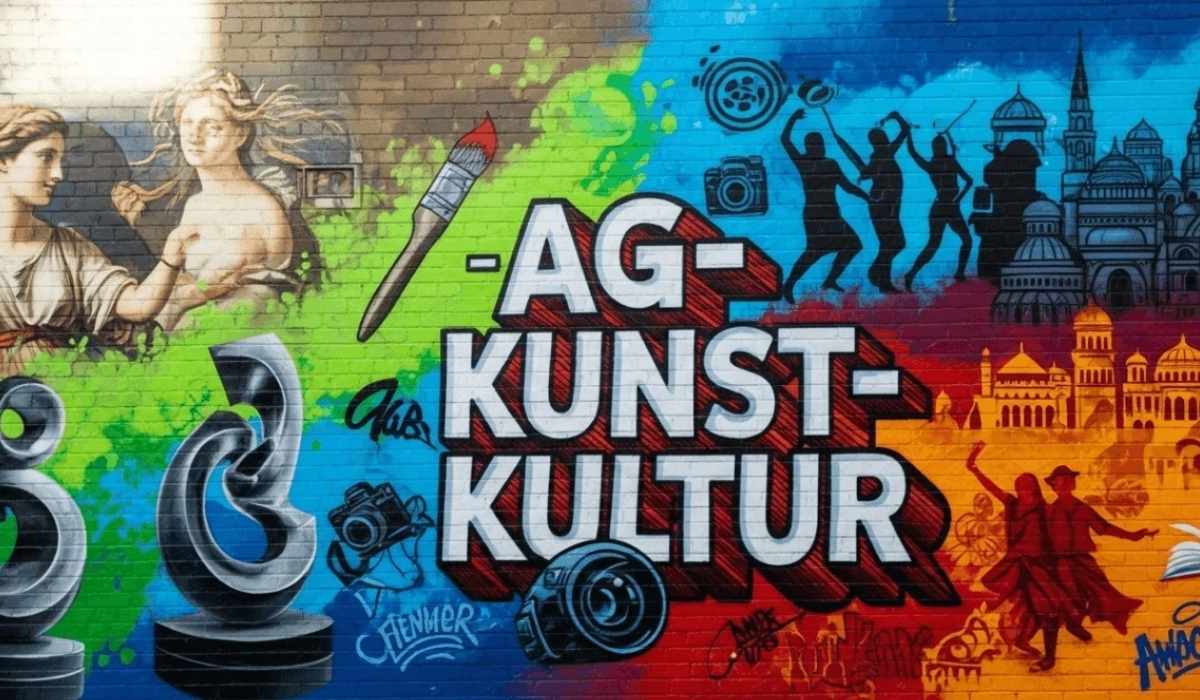
Ag-kunst-kultur is a transformative concept that bridges the traditional boundaries between agriculture, art, and culture to foster community revitalization and innovation. In many regions, rural communities face economic, social, and cultural challenges due to urban migration and industrialization. Ag-kunst-kultur addresses these challenges by integrating sustainable farming practices with creative and cultural activities, creating vibrant spaces where livelihoods and cultural expression coexist. This holistic approach ensures that communities not only survive but thrive, preserving traditions while embracing innovation. By understanding and implementing ag-kunst-kultur, communities can cultivate creativity, strengthen social bonds, and enhance economic resilience.
The Core Meaning of Ag-Kunst-Kultur
At its essence, ag-kunst-kultur is about the interdisciplinary integration of agriculture, art, and culture. Agriculture is no longer seen merely as a method of producing food; instead, it becomes a medium for community engagement, cultural storytelling, and artistic expression. Artistic projects, cultural festivals, and hands-on workshops complement farming activities, allowing local residents to participate in both economic and cultural life. Ag-kunst-kultur promotes sustainability, creativity, and social cohesion, illustrating that economic development and cultural enrichment are not mutually exclusive but mutually reinforcing.
Historical Context and Development

The concept of ag-kunst-kultur has roots in various cultural and agricultural movements that emphasized the connection between people, land, and creativity. Historically, rural communities used local arts, festivals, and agricultural rituals to strengthen social ties and preserve cultural identity. In modern times, these traditions have evolved into structured initiatives that blend farming with contemporary art and cultural practices. Early adopters of ag-kunst-kultur demonstrated that combining agricultural innovation with cultural engagement could revitalize declining communities, attract tourism, and inspire young generations to remain connected to their heritage while pursuing new opportunities.
Applications of Ag-Kunst-Kultur in Rural Development
Ag-kunst-kultur is applied in diverse ways to address economic, social, and cultural challenges in rural areas. Agricultural spaces are transformed into venues for art exhibitions, performances, and cultural festivals, attracting local and international visitors. Community gardens and farms incorporate educational programs where residents learn about sustainable farming, environmental stewardship, and artistic practices simultaneously. These initiatives not only increase economic activity but also foster social cohesion, as people from different backgrounds collaborate in creative projects. By implementing ag-kunst-kultur, communities can enhance cultural awareness, create employment opportunities, and maintain a sustainable connection to the land.
Social and Cultural Impact

One of the most significant outcomes of ag-kunst-kultur is its impact on social cohesion and cultural preservation. Integrating art and culture into agricultural practices allows communities to celebrate their heritage while encouraging innovation. Festivals, workshops, and cultural events associated with ag-kunst-kultur bring together local residents, tourists, and artists, fostering dialogue and mutual understanding. This interaction strengthens community identity, promotes cultural diversity, and empowers residents to actively participate in shaping the social and cultural landscape of their regions.
Economic Opportunities and Sustainability
The economic benefits of ag-kunst-kultur are substantial. By combining agriculture with cultural and artistic initiatives, communities create new revenue streams, such as cultural tourism, artisanal products, and educational programs. These activities provide alternative employment opportunities and support local entrepreneurship. Furthermore, ag-kunst-kultur emphasizes sustainability by promoting environmentally responsible farming, efficient resource management, and ethical practices in cultural production. The integration of economic development with cultural enrichment ensures that communities can remain economically resilient while preserving their traditions and identity.
Education and Knowledge Transfer

Ag-kunst-kultur serves as an educational platform where knowledge about sustainable agriculture, artistic techniques, and cultural practices is shared. Workshops, community programs, and collaborative projects provide hands-on learning experiences for residents of all ages. This transfer of knowledge strengthens community capacity, equips younger generations with practical and creative skills, and encourages lifelong learning. By fostering education through ag-kunst-kultur, communities cultivate a culture of innovation, creativity, and sustainability that benefits both current and future generations.
Environmental and Ecological Benefits
Sustainability is central to the ag-kunst-kultur framework. Agricultural practices associated with these initiatives often prioritize organic farming, soil conservation, water management, and biodiversity preservation. Art and cultural projects integrated with farming spaces raise awareness about environmental issues, encouraging responsible stewardship of natural resources. By promoting environmentally conscious practices, ag-kunst-kultur ensures that communities can thrive while minimizing ecological impact. This combination of ecological responsibility and cultural engagement positions ag-kunst-kultur as a model for sustainable rural development worldwide.
Challenges and Implementation Strategies

Despite its benefits, implementing ag-kunst-kultur can pose challenges. Securing funding, coordinating diverse stakeholders, and balancing economic goals with cultural integrity requires careful planning. Communities must also ensure that local residents are actively engaged to avoid external imposition of projects. Successful implementation strategies involve inclusive decision-making, collaboration between artists, farmers, and cultural organizations, and continuous evaluation of outcomes. Overcoming these challenges ensures that ag-kunst-kultur initiatives are sustainable, impactful, and embraced by the community.
Global Examples and Case Studies
Several communities worldwide have successfully implemented ag-kunst-kultur projects to revitalize rural areas. Examples include agricultural festivals in Europe where farms double as art galleries, cultural workshops on sustainable farming in Asia, and community-based environmental art projects in Africa. These initiatives demonstrate the versatility of ag-kunst-kultur, showing that it can adapt to local contexts while delivering economic, social, and cultural benefits. Observing these case studies provides valuable insights for communities seeking to implement similar programs and highlights the transformative power of combining agriculture, art, and culture.
Final Thoughts
In conclusion, ag-kunst-kultur is more than a concept; it is a transformative approach to rural development that merges agriculture, art, and culture to create resilient, vibrant communities. By integrating creative expression with sustainable farming and cultural engagement, communities can foster economic opportunities, social cohesion, environmental stewardship, and cultural preservation. The holistic nature of ag-kunst-kultur ensures that traditions are honored while innovation is encouraged. For those seeking to explore this concept further and understand its global impact, you can explore ag-kunst-kultur.
Frequently Asked Questions
1. What is ag-kunst-kultur?
- Ag-kunst-kultur is the integration of agriculture, art, and culture to foster community transformation and sustainability.
2. How does ag-kunst-kultur benefit rural communities?
- It creates economic opportunities, strengthens social cohesion, preserves cultural heritage, and promotes environmental sustainability.
3. Can ag-kunst-kultur be applied in urban areas?
- Yes, urban agriculture and cultural initiatives can incorporate ag-kunst-kultur principles to engage communities.
4. What role does education play in ag-kunst-kultur?
- Education through workshops and training ensures knowledge transfer in agriculture, art, and cultural practices.
5. What are the main challenges of implementing ag-kunst-kultur?
- Challenges include funding, stakeholder coordination, community engagement, and balancing cultural and economic goals.