If you’ve ever stood in a garden store staring at rows of fertilisers, potting mixes, and pest control solutions, you’re not alone. Gardening can feel simple at first—just plant, water, and wait—but the truth is, healthy plants start with the right foundation. Choosing the right garden care products can make the difference between struggling plants and a thriving, vibrant garden.
Whether you’re growing herbs on your kitchen windowsill, maintaining a lush backyard lawn, or managing a small landscaping business, understanding what your plants actually need will save you time, money, and frustration.
Let’s break it down simply and practically.
Understanding Your Soil First
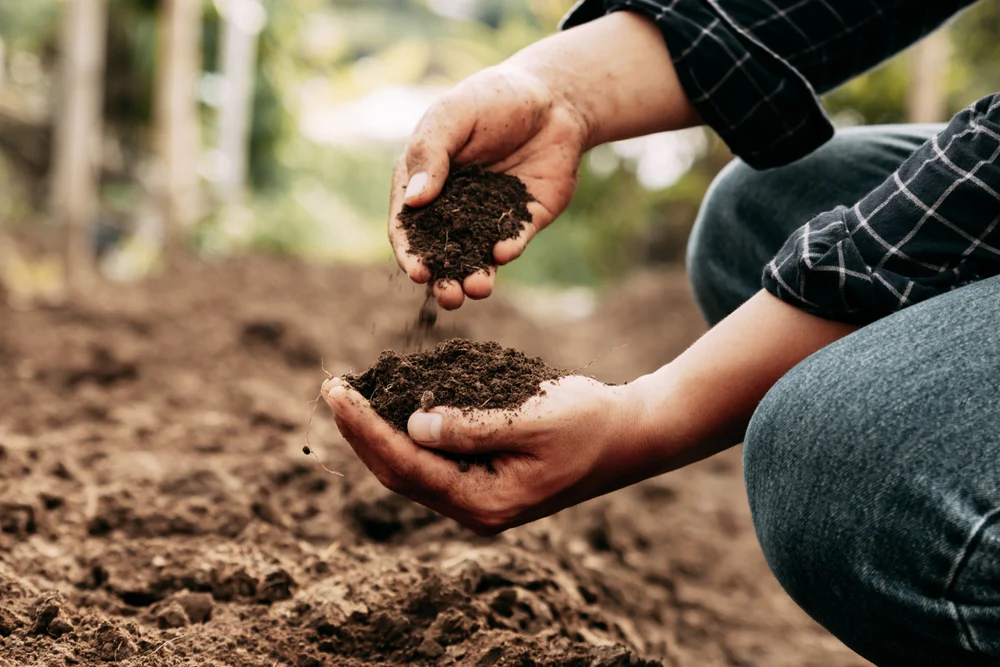
Before you even think about fertilisers or plant food, it’s important to understand your soil. Think of soil as the “home” for your plants. If the home isn’t comfortable, nothing else will work properly.
Soil varies widely. Some are sandy and drain water too quickly, while others are clay-heavy and hold too much moisture. The goal is to create a balanced environment where roots can breathe, absorb nutrients, and grow freely.
A good starting point is improving your soil structure using compost or organic matter. Compost helps retain moisture in sandy soil and improves drainage in clay soil. It also adds nutrients naturally, reducing the need for excessive chemical fertilisers.
In many industries—such as landscaping and agriculture—professionals often test soil before planting. While you don’t always need a lab test at home, observing how your soil behaves after watering can tell you a lot.
If water pools on the surface, you likely need better drainage. If it disappears instantly, your soil may need help retaining moisture.
Choosing the Right Fertiliser for Your Plants
Once your soil is in good shape, the next step is feeding your plants. Fertilisers provide essential nutrients like nitrogen, phosphorus, and potassium—often referred to as NPK.
Different plants need different nutrients. For example:
- Leafy greens thrive on nitrogen-rich fertilisers
- Flowering plants benefit from phosphorus
- Fruit-bearing plants need a balanced mix
It’s similar to how people have different dietary needs. An athlete might need more protein, while someone recovering from illness might focus on vitamins. Plants work the same way.
There are two main types of fertilisers:
1. Organic fertilisers
These come from natural sources like compost, manure, or plant-based materials. They release nutrients slowly and improve soil health over time.
2. Synthetic fertilisers
These provide nutrients quickly and are often used when plants need an immediate boost. However, overuse can harm soil quality in the long run.
If you’re maintaining a home garden, organic options are usually a safe and sustainable choice. In commercial settings—such as nurseries or large-scale landscaping—both types may be used strategically.
Potting Mixes, Mulch, and Water Retention
Not all soil is suitable for every situation, especially when it comes to potted plants. That’s where potting mixes come in.
Potting mix is specifically designed to provide the right balance of drainage, aeration, and nutrients for container plants. Unlike garden soil, it doesn’t compact easily, which helps roots grow more freely.
For example, if you’re growing indoor plants or herbs in pots, using regular garden soil can lead to poor drainage and root rot. A quality potting mix solves that problem immediately.
Mulch is another essential product that many people overlook. It acts as a protective layer on top of the soil, helping to:
- Retain moisture
- Regulate soil temperature
- Reduce weed growth
You’ll often see mulch used in public parks, commercial landscapes, and even roadside plantings. It’s a simple but powerful way to keep plants healthy with less effort.
If you’re in a hot climate, mulch can significantly reduce how often you need to water. That’s not just convenient—it also saves water, which is especially important in areas with restrictions or high utility costs.
Managing Pests and Plant Health Safely
Even with the best soil and fertiliser, pests and diseases can still affect your plants. The key is to manage them early and responsibly.
Common garden pests include aphids, caterpillars, and mites. You might notice holes in leaves, sticky residue, or discolored spots—these are all signs something is wrong.
There are different approaches to pest control:
Natural solutions
These include neem oil, soap sprays, or introducing beneficial insects like ladybugs. These methods are safer for the environment and ideal for home gardens.
Chemical treatments
These are more powerful and often used in agriculture or large-scale landscaping. They should be used carefully and according to instructions to avoid harming beneficial insects or surrounding plants.
Plant diseases, on the other hand, can be caused by fungi, bacteria, or viruses. Good airflow, proper watering, and clean tools can prevent many of these issues.
If you want to explore a wide range of garden care options—from soil enhancers to pest control solutions—you can visit here to see different types of products suited for various gardening needs.
Building a Simple, Effective Garden Care Routine
Choosing the right products is only part of the equation. The real magic happens when you use them consistently and correctly.
A simple routine might look like this:
- Check soil moisture before watering
- Apply fertiliser based on plant needs and growth stage
- Add mulch to conserve water and protect roots
- Inspect plants regularly for pests or disease
Consistency matters more than complexity. You don’t need dozens of products—you just need the right ones used at the right time.
Think of it like maintaining your home or car. Regular, small efforts prevent bigger problems later on.
Why the Right Choices Matter Long-Term
Healthy plants don’t just look good—they create better environments. Gardens improve air quality, reduce heat, and even boost mental well-being.
In larger industries such as agriculture and landscaping, choosing the right products can affect crop yields, operational costs, and sustainability. For home gardeners, it simply means enjoying a space that feels alive and rewarding.
Understanding the basics of soil and plant care helps you make smarter decisions, avoid common mistakes, and get better results over time.
Final Thoughts
Gardening doesn’t have to be complicated. When you focus on the fundamentals—healthy soil, proper nutrition, moisture control, and pest management—you set your plants up for success.
Start small. Pay attention to how your plants respond. Adjust as needed.
Over time, you’ll develop a natural rhythm and confidence in your choices. And before you know it, what once felt overwhelming will become second nature.
Because at its core, gardening isn’t just about products—it’s about understanding and working with nature.