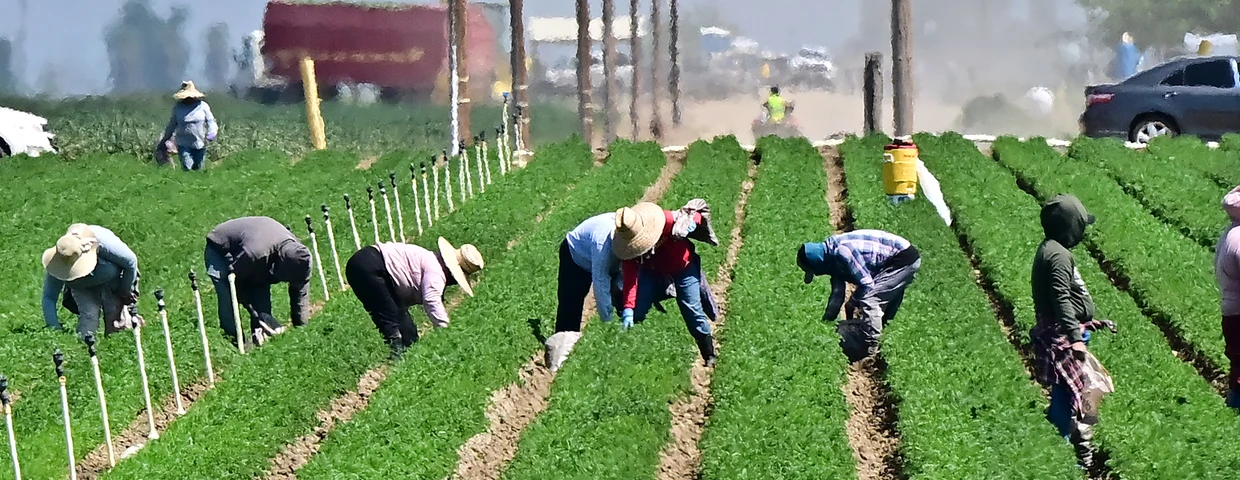
Seasonal labor shortages continue to challenge agricultural operations across the United States. From fruit orchards and vegetable farms to livestock facilities and nurseries, many producers depend on a reliable workforce during planting, cultivation, and harvest periods. When domestic labor is unavailable, the H-2A visa program often becomes an important option for filling temporary agricultural positions legally.
At the same time, the process is highly regulated. Employers must comply with federal wage standards, recruitment requirements, housing obligations, and strict filing deadlines. Farms that wait too long to begin preparation frequently encounter delays that can affect planting schedules and harvest operations.
Understanding how the H-2A process works—and preparing early—can help agricultural employers reduce disruptions during peak seasons.
What Is the H-2A Visa Program?
The H-2A visa program allows U.S. agricultural employers to hire foreign nationals for temporary or seasonal farm work when there are not enough available domestic workers.
The program is administered through multiple federal agencies, including:
- The Department of Labor (DOL)
- U.S. Citizenship and Immigration Services (USCIS)
- The Department of State
Employers must demonstrate that the work is temporary or seasonal in nature and that hiring foreign workers will not negatively affect the wages or working conditions of similarly employed U.S. workers.
Unlike some employment-based visa categories, H-2A visas are tied directly to agricultural labor needs and are generally limited to approved job terms.
Why Early Planning Matters
Timing is one of the most important factors in successful H-2A recruitment. The process involves several stages, and delays at any point can create operational problems for farms that rely on labor during narrow seasonal windows.
Labor Demand Often Peaks at the Same Time
Many farms across different states apply for workers simultaneously during planting and harvest seasons. This creates processing pressure for agencies and consular offices.
Employers who start late may face:
- Delayed labor certifications
- Slower visa appointment scheduling
- Reduced worker availability
- Compliance complications
- Missed harvest timelines
Agricultural businesses generally benefit from reviewing labor needs months before the intended employment start date.
Key Steps in the H-2A Hiring Process
The H-2A program requires careful coordination between recruitment, documentation, and compliance procedures.
Determining Seasonal Labor Needs
Before filing paperwork, farms should evaluate:
- The number of workers needed
- Anticipated employment dates
- Housing capacity
- Transportation arrangements
- Wage obligations
- Worksite locations
Accurate forecasting is important because approved worker numbers and timelines directly affect labor planning.
Filing the Temporary Labor Certification
Employers must obtain a temporary labor certification from the Department of Labor before submitting immigration petitions.
This process includes proving that:
- There are insufficient qualified U.S. workers available
- The work is temporary or seasonal
- Employment conditions meet federal standards
Recruitment efforts aimed at domestic workers are also required before foreign labor approval is granted.
Petitioning for Foreign Workers
After labor certification approval, employers file petitions with USCIS requesting authorization to employ foreign agricultural workers under the H-2A classification.
Because multiple agencies are involved, documentation consistency becomes critical throughout the process.
Housing and Transportation Requirements
One area that often surprises employers is the scope of housing and transportation obligations attached to the H-2A program.
Employers are generally responsible for providing housing that meets federal and state safety standards for workers who cannot reasonably return home each day.
Transportation responsibilities may include:
- Inbound travel reimbursement
- Daily transportation to worksites
- Return transportation after contract completion
Housing inspections and compliance reviews can become significant logistical tasks, particularly for larger farming operations.
Wage Compliance Is Closely Regulated
The H-2A program includes strict wage protections designed to prevent adverse effects on domestic agricultural labor markets.
Employers must typically pay the highest applicable wage among several federal and state benchmarks, including the Adverse Effect Wage Rate (AEWR).
This means farms must carefully monitor:
- Wage updates
- Payroll accuracy
- Hour tracking
- Overtime obligations where applicable
- Contract terms
Errors involving wage compliance can trigger penalties or future program restrictions.
Common Challenges Farms Encounter
Even experienced agricultural employers can run into difficulties with H-2A filings.
Administrative Complexity
The process involves substantial paperwork and procedural deadlines. Missing a filing window or submitting incomplete information can delay worker approvals significantly.
Changing Regulations
Federal immigration and labor policies evolve regularly. Wage calculations, filing standards, and recruitment requirements may shift from one season to the next.
Coordinating International Recruitment
Many farms work with recruiters or labor contractors abroad. Managing communication, travel logistics, and visa scheduling across borders requires careful oversight.
For employers navigating these issues, working with an experienced H-2A visa lawyer may help clarify legal obligations and reduce procedural errors during the hiring process.
Benefits of the H-2A Program
Despite its complexity, the H-2A program offers several advantages for agricultural employers facing labor shortages.
Greater Workforce Stability
Reliable seasonal staffing allows farms to maintain planting, harvesting, and production schedules more consistently.
Legal Hiring Structure
The program creates a lawful pathway for temporary agricultural labor while establishing defined protections for workers and employers alike.
Flexibility Across Agricultural Sectors
H-2A workers support a wide range of agricultural operations, including:
- Fruit and vegetable farming
- Dairy operations
- Livestock production
- Greenhouses and nurseries
- Forestry-related agricultural work
Limitations Employers Should Understand
The H-2A system is not a universal solution for every labor challenge.
Employers must still manage:
- Significant administrative responsibilities
- Government processing delays
- Housing compliance costs
- Transportation expenses
- Ongoing recordkeeping requirements
The program also applies only to temporary or seasonal agricultural work, meaning year-round labor needs may require alternative workforce strategies.
Questions Farms Often Ask About H-2A Hiring
How far in advance should farms begin the process?
Many employers begin preparation several months before their anticipated start date to allow time for certifications, recruitment, and visa processing.
Can workers return each season?
Yes. Many farms employ returning H-2A workers across multiple seasons, although each period of employment still requires formal approval.
Are employers required to recruit U.S. workers first?
Yes. Employers must conduct domestic recruitment efforts before receiving approval to hire foreign workers through the H-2A program.
Final Thoughts
Seasonal labor planning has become increasingly important for U.S. farms operating in a competitive agricultural market. The H-2A visa program provides a structured option for employers who cannot secure enough domestic labor, but the process requires careful preparation and strict compliance with federal regulations.
From labor certification filings to housing standards and wage requirements, each stage carries legal and operational considerations that can affect the success of a farming season. Farms that prepare early and understand the program’s responsibilities are generally better positioned to maintain workforce continuity when labor demand reaches its peak.