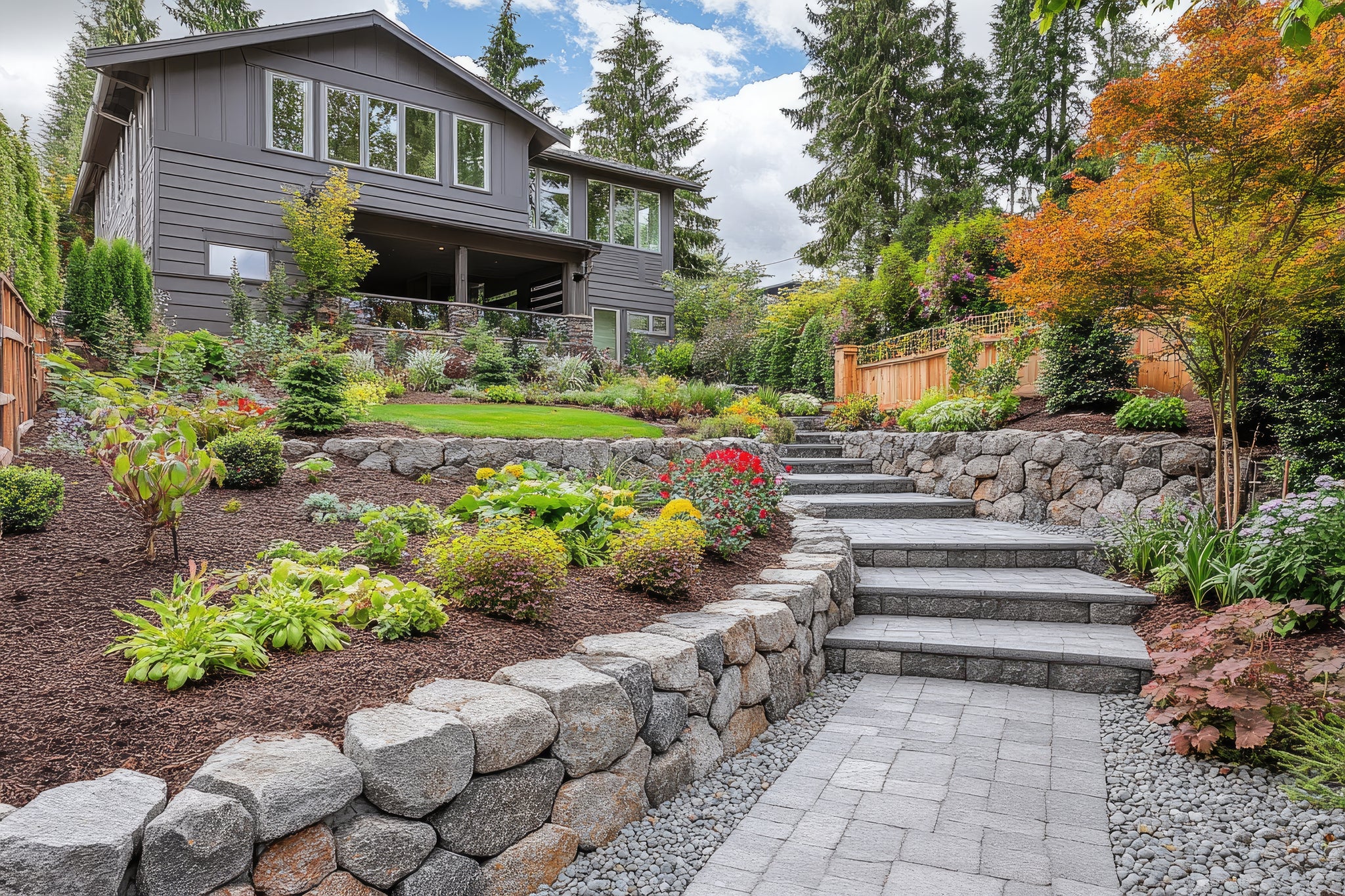
When homeowners think about home improvement, the conversation usually starts indoors. Kitchen renovations, bathroom upgrades, and finished basements tend to dominate the planning stage. Yet some of the most cost-effective improvements happen outside the front door, in the soil, mulch, and stone that quietly shape how a property looks and functions. Investing in quality bulk landscape materials is one of the most underrated decisions a homeowner can make, and the returns extend well beyond simple aesthetics.
The Financial Return on a Well-Planned Yard
Landscape investments consistently rank among the highest-return home improvement projects in the United States. According to the National Association of Realtors’ Remodeling Impact Report, standard lawn care and overall landscape upgrades deliver some of the strongest cost recovery percentages of any outdoor improvement, often outperforming interior projects on a dollar-for-dollar basis.
The reason is straightforward. A buyer’s first impression is formed in the driveway, before they reach the front door. Fresh mulch in well-defined beds, healthy topsoil supporting vibrant plants, and clean walkway edges create an immediate signal that a home has been cared for. By contrast, tired beds, exposed soil, and uneven ground broadcast neglect, regardless of how polished the interior may be. Homeowners who want to maximize property value should treat their yard as the project that everyone sees first.
The Hidden Cost of Buying Materials in Small Batches
One of the most common mistakes homeowners make is purchasing landscape materials in bags from a retail store. While the convenience is real, the long-term cost is significant. A single cubic yard of bulk mulch typically covers around 100 square feet at the recommended three-inch depth, which is the equivalent of roughly thirteen to fourteen standard retail bags. The price difference between bagged and bulk material on that volume can easily exceed fifty percent.
The same logic applies to topsoil, sand, and aggregate. Buying these materials in bags means paying a premium for packaging, transport in small quantities, and shelf space at a big box retailer. Beyond the financial cost, there is a quality cost. Bagged products often sit in warehouses or outdoor pallets for months before reaching the shelf, which can dry out organic materials and reduce their effectiveness in the soil. Bulk material, sourced directly from a landscape supply yard, is typically fresher, more uniform, and better suited to the project at hand.
How to Choose Quality Mulch, Topsoil, and Aggregate
Not all bulk materials are created equal, and recognizing the difference between premium and budget product is what separates a successful project from a disappointing one. Homeowners planning a yard refresh should evaluate materials on a few key criteria before placing an order.
- Mulch: Look for uniform color and texture without visible debris, trash, or unfamiliar plant matter. The mulch should be lightly damp, not bone dry or excessively wet. Hardwood and cypress varieties hold up best in most climates, while pine bark suits acid-loving plants such as azaleas and blueberries.
- Topsoil: Quality topsoil is dark, loose, and has a slight earthy smell. It should be free of clay clumps, large stones, and construction debris. Reputable suppliers will let buyers see the pile before purchase, which is the simplest test of integrity.
- Sand and aggregate: For paver bases, drainage, and hardscape projects, the material grade matters more than most homeowners realize. Crushed stone, pea gravel, and washed sand each serve specific purposes, and using the wrong grade can compromise the longevity of an entire installation.
A reliable supplier will explain the difference between products, recommend the right material for the project, and provide an accurate volume estimate based on the dimensions of the space. That kind of guidance is rarely available in a retail aisle.
The Role of a Local Landscape Supply Yard
The supplier matters as much as the material. A local landscape supply yard offers something that big box stores simply cannot: regional knowledge. The right mulch for a yard in South Florida is not the same as the right mulch for a yard in New England, and a supplier who understands the local climate, soil composition, and plant ecosystem can guide homeowners toward the right choice with far more accuracy than a generic retailer.
A good example of this regional model is Horizon Gardens, a landscape supply yard in Loxahatchee Groves, Florida, serving homeowners and contractors across Palm Beach County. They stock a full range of mulches, including cypress, pine bark, and natural wood chips, alongside topsoil, sand, aggregate, and a curated selection of plants suited to the subtropical environment. Local yards of this kind also typically offer delivery within a defined radius, which removes the logistical burden of transporting heavy material in a personal vehicle.
The advantages of working with a regional supplier extend beyond the first transaction. Repeat customers gain access to better service, more accurate recommendations, and a relationship that pays dividends across future projects. Over time, a trusted local supplier becomes part of the homeowner’s broader property maintenance toolkit, much like a reliable contractor or arborist.
A Smarter Approach to Outdoor Home Improvement
Treating bulk landscape materials as a serious home improvement category, rather than an afterthought, changes the outcome of a project entirely. The right mulch protects soil moisture and suppresses weeds. The right topsoil supports healthier plants with less ongoing maintenance. The right aggregate keeps walkways and patios structurally sound through years of weather and use. Each material contributes to a property that looks better, performs better, and holds its value longer.
For homeowners planning a yard refresh, a full backyard rebuild, or a curb appeal upgrade ahead of a home sale, the investment in quality bulk material is one of the most reliable decisions available. The cost is modest compared to interior renovations, the visible impact is immediate, and the return, both in property value and in daily enjoyment of the space, continues to compound over time. In an era when every dollar of a home improvement budget is scrutinized, the materials underfoot deserve far more attention than they typically receive.