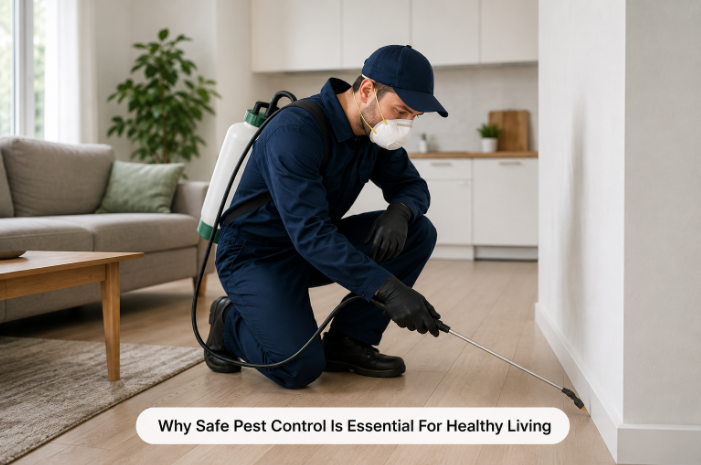
Pest problems can turn a peaceful home into a constant source of stress in just a few days. Everything seems fine this minute, and the next moment, it’s ants buzzing around the kitchen, cockroaches scuttling in the corners, or rats scuttling in hidden places.
In this case, most people will only be concerned with how to eliminate the pests as quickly as possible. However, many are not aware that the approach to solving the problem is as important as the problem itself. Sometimes, unhealthy treatments can cause new health risks within the home.
That’s why safe pest control is increasingly crucial today. It’s not just about killing pests; it’s about killing them the right way that doesn’t harm your health, home, or even the environment. One of the most important components of healthy living is controlling pests in your home while keeping yourself and your family safe from their harmful effects. Read on to learn more on why safe pest control is essential for healthy living.
1. Pests Can Spread Dangerous Diseases
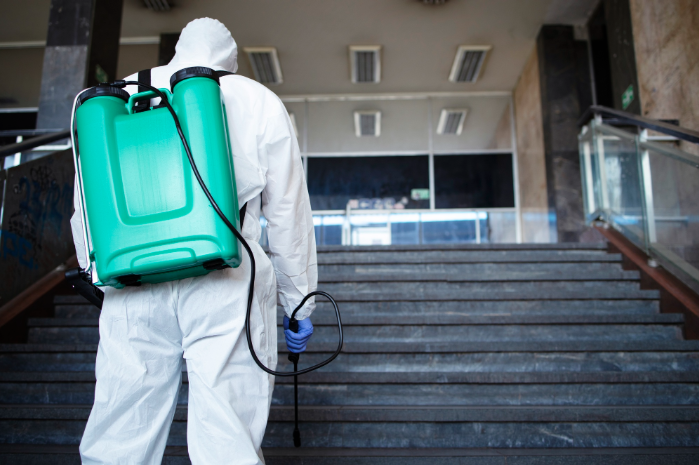
The primary reason for pest control safe for families and pets is that pests can carry serious diseases. Harmful bacteria and viruses can get into your home through cockroaches, mosquitoes, rats, fleas, and flies without you knowing.
For instance, cockroaches are known to crawl through garbage, drains, and dirty areas before landing on kitchen counters and food-preparation surfaces. They can carry bacteria such as E. coli and Salmonella that cause stomach ailments and food-borne illness. Rats and mice are also dangerous because they spread diseases through urine, droppings, and bites.
Another issue is the mosquito, particularly in warm climates. They are also vectors for diseases such as malaria and dengue fever, as well as other ailments that can significantly impact health. Although flies seem insignificant to the casual observer’s eye, they often deposit themselves on trash before coming into contact with food within the house.
Safe pest control practices help eliminate these health hazards while minimizing the use of toxic chemicals. Today, the emphasis is on environmentally safe, strategic treatment and prevention, and solutions that protect families without filling their homes with harmful chemicals.
2. Harsh Chemicals Can Affect Indoor Air Quality
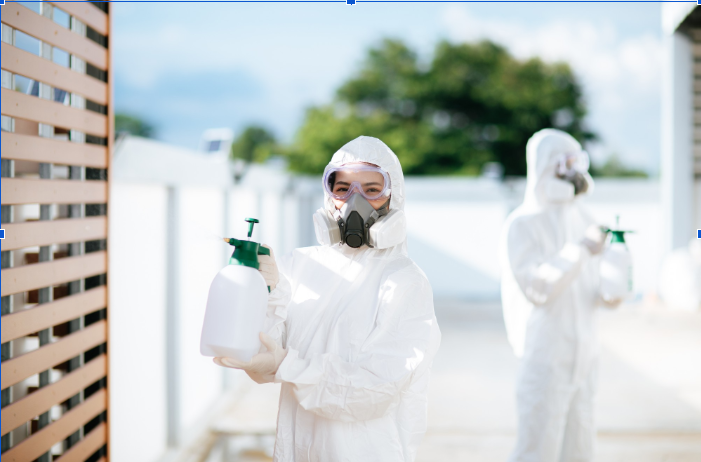
One thing most homeowners don’t know is that chemicals can pose health hazards during pesticide applications, too. Conventional pesticides often contain high levels of chemicals that can remain in the air, furniture, carpets, and surfaces after application.
Inadequate indoor air quality can cause headaches, difficulty breathing, dizziness, skin irritation, and allergic reactions. These effects are particularly harmful for children, the elderly, and those with asthma. All animals, including pets, can be accidentally exposed to poisons applied for pest control.
Safe pest control practices, such as the careful application of pest products and the use of carefully chosen products, help reduce these risks. Pest control experts know how to deal with the infestation effectively without overusing pesticides. They might also apply low-toxicity, targeted treatments, and integrated pest management approaches to prevent pests over time.
Clean air and a safe environment are critical to good health. A pest-free, safe home should be your goal when it comes to pest control, and when done responsibly, it can be achieved.
3. Safe Pest Control Protects Children and Pets
Children and pets are naturally curious. They may put things in their mouths without realizing it, crawl on the floor, and touch objects. This exposes them to hazardous pesticide exposure.
Consider putting harmful chemicals in your house, and then, a few hours later, your toddler crawls all over the place. Imagine a pet licking surfaces that still have pesticide residue. When these circumstances arise, the use of unsafe pest control methods can easily become risky.
Safe pest control can greatly minimize these risks. Those who provide treatment using family-friendly methods exercise additional precautions to ensure that treatments are offered responsibly. They know which products are safer for indoor use and how to reduce exposure after treatment.
Many safe pest control methods also emphasize prevention rather than copious amounts of pesticides. Natural control measures include sealing cracks, removing food, eliminating moisture, and cleaning up. This way, the entire family will lead a safer, healthier lifestyle.
4. A Healthy Home Supports Better Mental Well-Being
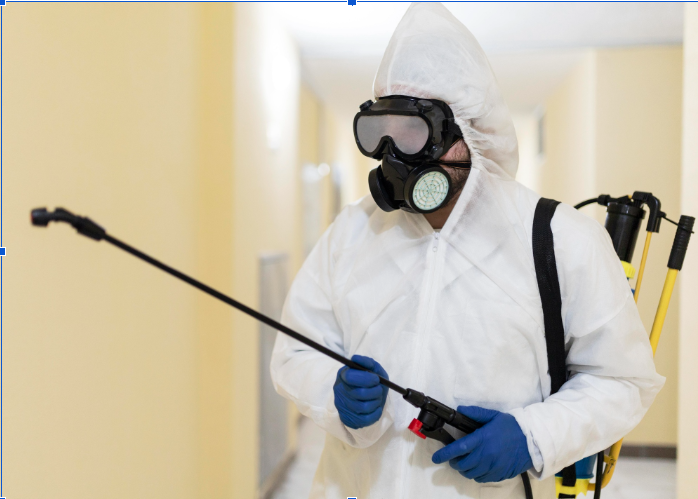
People think pest control affects only their physical health, but in fact, it also significantly influences their mental health. Having pests in your home can cause stress, anxiety, embarrassment, and discomfort.
Imagine how you would feel if you were worrying about rats in the ceiling or cockroaches that would appear in the kitchen at night after a long day trying to get some rest. Living in fear can make the home an uncomfortable place. The quality of sleep can be affected, and over time, stress levels can increase.
However, peace of mind is restored with safe pest control services. When you know your home is being cared for responsibly and carefully, you will feel more secure. You don’t have to be constantly concerned about toxic chemicals or recurring infestations.
A healthy lifestyle is strongly linked to emotional support. A home that is clean, pest-free, and safe can lead to better mental health and quality of life.
Final Thoughts
The first step to healthy living is to make your home and surroundings safe. While pests can cause disease, damage property, and cause stress, improper use of pest control can also pose other health risks if not properly managed.
Safe pest control is a better alternative. It is effective at controlling pests without harming the health of families and pets, indoor air quality, or the environment. Today, safe pest control is achieved through prevention, responsible treatment, and long-term health benefits rather than by excessive chemical use.