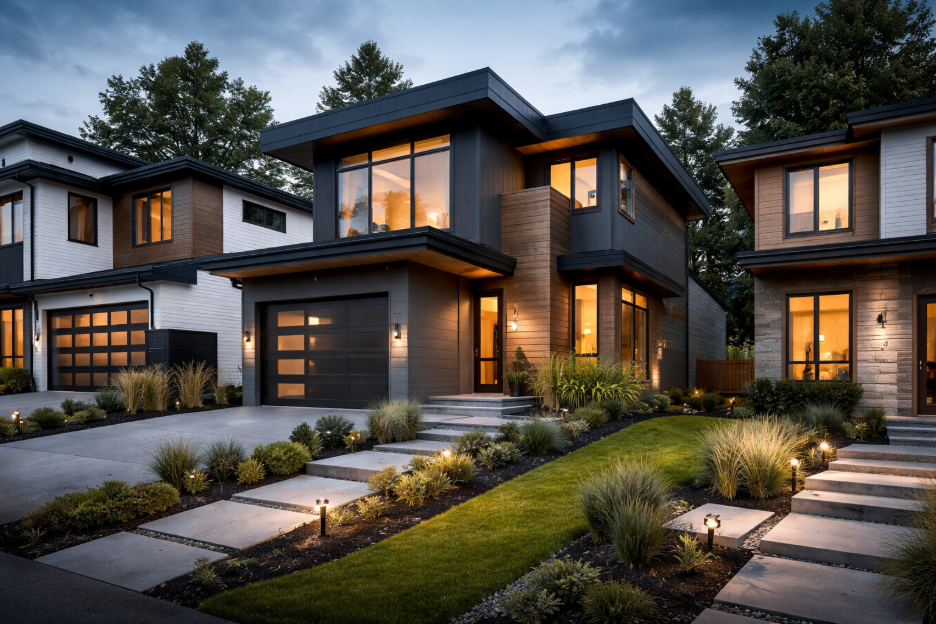
You step outside and notice something feels off. The building may be constructed well, but the outward appearance is not very striking. Maybe the color is too old-fashioned, or the finish does not match the environment anymore. Over time, even well-built properties start losing their architectural identity as external surfaces do not adapt to the modern design trends.
At the same time, selecting the right approach becomes challenging. As color schemes change, new materials, and performance standards are introduced, it is no longer simply a matter of repainting, but a deliberate design choice that can be made to have an impact on how a building is viewed and safeguarded.
This article examines how exterior painting trends are actively defining modern architecture and what it signifies for your property.
1. Color Palettes are Redefining Architectural Expression
Color is no longer an afterthought in modern architecture. Rather, it has a defining role in the experience of a structure. Instead of the safe and uniform tones, the latest trends focus on deliberate and even expressive palettes.
This is where exterior painting takes the center stage in architectural planning. Instead of simply covering surfaces, it is used to highlight geometry, define boundaries, and create a cohesive visual identity.
For example, darker colors like charcoal, slate, and dark navy are being increasingly employed to produce strong, modern statements. Conversely, warm colors and ground colors make buildings naturally integrate into their environment.
Consequently, color has become the conveyor of purpose. Depending on the way it is used, it can make a home look modern, timeless, or even minimalist. More importantly, it makes sure that the exterior does not go against the architectural intent, but it supports it.
2. Multi-Tone Designs are Creating Visual Structure
A single-color exterior often lacks depth. Due to this, the current tendencies are shifting towards multi-tone and contrast-based designs that introduce order to the surface.
Designers do not depend on a single shade anymore, but mix complementary colors to:
- Emphasize architectural lines
- Highlight trims, panels, and edges
- Break visual monotony
For example, a building can be sharpened immediately by matching the dark base with light accents. Likewise, there is a slight difference between siding and trim, which gives the design volume without excessively cluttering it.
Moreover, this technique enables you to focus attention. It is possible to attract attention to doorways, windows, or other details with the help of color positioning. Painting, therefore, becomes a means of improving structure, without changing the physical appearance.
3. Matte and Soft Finishes are Leading Modern Aesthetics
Glossy exteriors used to be the most common as they were connected with durability and cleanliness. Nevertheless, contemporary architecture is moving towards matte and low-sheen finishes.
This change is driven by both design and functionality. Matte finishes:
- Reduce harsh reflections under sunlight
- Provide an elegant, low-profile appearance
- Align with modern minimalism
Additionally, the finishes assist in masking minor cracks on the exterior finish, especially with bigger walls.
Simultaneously, the coating technology has developed in order to enhance durability. The modern matte finishes are developed to withstand fading, moisture, and weather damage. Thus, performance and beauty are not sacrificed.
4. Sustainable Coatings are Influencing Design Choices
The concept of sustainability is no longer a choice in the contemporary construction industry; it has become a concern. This has led to the current trends in exterior painting, which incorporate environmental responsibility as well as performance.
Property owners and designers are increasingly choosing:
- Paints with low-VOC that lower the harmful emissions
- Reflective energy-saving coats
- Durable materials that reduce the need for repainting
These decisions help to make the environment healthier and also enhance building performance. For example, reflective coating is used to control temperature and can be used to reduce the use of energy through the absorption of heat.
In addition, sustainable paints often maintain their color and finish longer. This will lower maintenance costs and make the exterior look the same way as it does in the long run.
As a result, painting is no longer only about appearance, but it promotes environmental and functional objectives.
5. Surface Preparation and Texture are Becoming Design Tools
In the past, surface preparation was treated as a technical necessity. Today, it is an essential part of the final design outcome.
Modern trends emphasize:
- Smooth, uniform finishes for clean architectural lines
- Controlled textures to add subtle visual interest
- Precision preparation to ensure consistency and durability
Proper preparation—such as cleaning, repairing, and priming—directly impacts how paint adheres and performs. Without it, even the best color choices will fail to deliver lasting results.
At the same time, texture is being used more deliberately. Instead of flat surfaces, slight variations are introduced to create depth through light and shadow. This approach enhances visual interest without complicating the structure.
Therefore, preparation is no longer invisible work. It is a foundational step that determines both appearance and longevity.
Final Thoughts
Exterior painting has evolved into a critical component of modern architecture. It influences how buildings look, how they perform, and how they age over time.
From strategic color palettes to sustainable materials and advanced coatings, each trend reflects a deeper shift toward intentional design. These elements work together to enhance both the visual identity and functional durability of a structure.
As you evaluate your own property, consider how these trends align with your goals. The right combination of color, finish, and preparation can transform not just the appearance of your building, but also its long-term value and performance.