
Key Takeaways
- Community Building: Group therapy offers a sense of belonging by connecting people with others facing similar challenges, reducing the isolation that addiction breeds.
- Skill Development: Participants have regular opportunities to improve communication and coping skills through shared learning and feedback in a structured setting.
- Accountability: Group sessions promote commitment and responsibility by providing consistency and mutual encouragement on the path to recovery.
- Emotional Support: Sharing stories within a safe space nurtures emotional resilience and understanding, supporting the healing process.
- Long-Term Benefits: The relationships formed in group therapy often become enduring support networks that reinforce sustained recovery.
Embarking on the journey to recovery is a courageous step, but maintaining progress over time requires a reliable support system. Many individuals have found that participating in group therapy is highly effective for sustaining lasting change. For those seeking structure and community, the Intensive Outpatient Program in Ventnor, NJ provides participants with an environment designed for ongoing growth, connection, and hope. Incorporating additional resources, such as educational workshops or peer mentoring, can further strengthen the foundation for long-term recovery.
Group therapy stands apart from other recovery methods by bringing people together to share experiences, foster mutual support, and develop coping strategies together. Rather than facing challenges in isolation, individuals can draw from the strength of the group, learning and evolving as part of a continuum of care. As members journey together, they discover the power of accountability and the comfort of belonging, which can be pivotal for those committed to recovery.
Building a Supportive Community
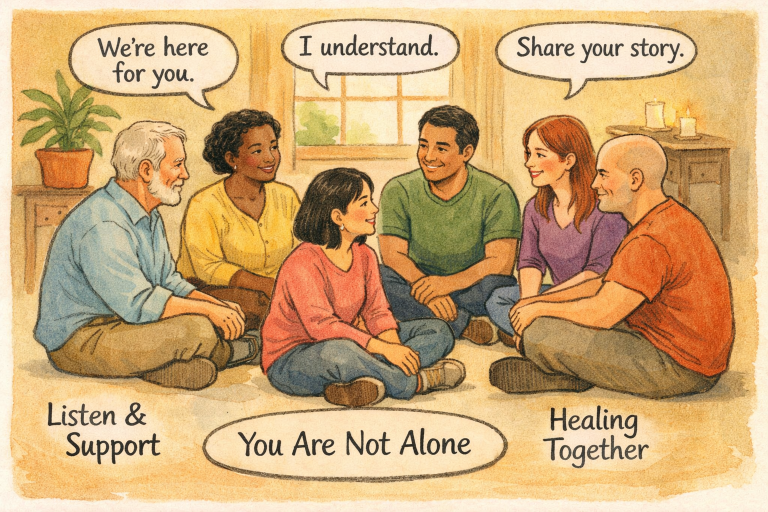
Group therapy’s greatest contribution to long-term recovery lies in the sense of community it nurtures. Addiction often leads to isolation, as many people withdraw from loved ones and daily activities. When group members share their experiences openly, a sense of connection emerges. This feeling of unity reminds individuals that they are not alone in their struggles. Such powerful communal bonds foster empathy and reduce the stigma tied to substance use disorders, helping participants embrace their recovery with confidence.
Furthermore, the safe environment of group therapy encourages participants to reach out beyond the group, thereby improving relationships with family and friends. The skills and self-awareness fostered in session are translated into everyday interactions, helping to repair and rebuild important social connections lost to addiction. Reconnecting with the broader social world is often cited by recovering individuals as a key element in sustaining progress.
Enhancing Communication and Coping Skills
Within a group setting, individuals have repeated opportunities to practice healthy communication. Group members learn to express their thoughts, listen actively, and respond constructively. These essential skills contribute to stronger relationships inside and outside the group. Additionally, group therapy serves as a forum for exchanging a broad spectrum of coping mechanisms. Learning how others manage triggers, stress, or difficult emotions broadens each participant’s toolkit for overcoming challenges. This active exchange of knowledge accelerates personal growth and supports resilience over time.
In addition, as confidence within the group builds, participants may feel more empowered to apply new coping methods in real-world situations. They can receive honest feedback on their interpersonal effectiveness and continuously refine these abilities. The iterative nature of skills practice in a group can help make positive habits stick, paving the way for sustainable recovery outside therapy.
Fostering Accountability and Commitment
Consistent attendance and participation in group therapy encourage personal accountability. Knowing that others expect their presence and contributions can motivate individuals to remain steadfast in their recovery journey. This structured environment helps maintain focus, boosts morale, and lowers the risk of relapse. Accountability is not about judgment; it’s about mutual encouragement and support. The group’s shared commitment to sobriety creates an atmosphere where every participant is both supported and gently challenged to uphold their goals.
Moreover, encouraging participants to set personal and collective goals in group therapy helps them track their progress over time. Not only do individuals benefit from being held accountable to others, but they are also validated by witnessing tangible improvement in themselves and their peers. This cycle of goal-setting, achievement, and recognition reinforces the motivation needed to maintain a healthy and sober lifestyle.
Providing Emotional Support and Understanding
Healing is often most profound when individuals feel heard and understood. In group therapy, members can openly process feelings, setbacks, and breakthroughs with people who genuinely comprehend their journey. This exploration of emotions in a secure, non-judgmental space provides validation, which is essential for emotional healing. By hearing how others have faced and overcome similar difficulties, group members find hope and inspiration to persevere through their unique circumstances.
Above all, the mutual understanding and non-judgmental attitudes developed in group sessions can help reduce shame, a common barrier to recovery. When participants witness acceptance and compassion from others, it becomes easier for them to extend that same kindness to themselves, reinforcing self-worth and supporting ongoing growth.
Long-Term Benefits and Sustained Recovery
The connections established in group therapy can extend well beyond scheduled sessions. Over time, these relationships evolve into enduring support networks offering encouragement, practical help, and friendship during periods of vulnerability. Studies published by institutions such as the National Institute of Mental Health suggest that group interventions play a meaningful role in reducing relapse rates and improving overall well-being. The continual reinforcement of healthy behaviors and coping strategies fosters a solid foundation for long-term recovery.
It is also worth noting that group diversity allows for a wide array of perspectives and life experiences. Exposure to different viewpoints can challenge assumptions, broaden empathy, and improve problem-solving. This dynamic environment helps each member grow holistically, preparing them for life’s unpredictability outside the group context.
Conclusion
Group therapy represents a multifaceted and effective approach to supporting long-term recovery. By promoting community, skill-building, accountability, and emotional insight, group therapy meets individuals at various stages of their journey and continues to support them as needs evolve. The enduring relationships and skillsets formed within these groups make a significant difference for anyone seeking a stable, nurturing environment for recovery. For those ready to take the next step, integrating group therapy into a lasting, healthy lifestyle can be truly transformative.