Recovery does not often seem like a straight path. There are days when you feel strong and days when you are put to the test in a way that can hardly be explained. Due to this fact, it is not easy to quantify the progress that you have achieved when it comes to being sober.
In the long run, this may cause progress to appear vague, even in situations where you are working in a consistent manner. In the absence of a tangible asset, minor yet significant victories become easily forgotten.
Nevertheless, this journey is structured and made clearer through the milestone tokens. They transform time into something physical so that you can see your progress rather than just feel it.
Moreover, every token is a promise that you have fulfilled, be it 24 hours or decades. Consequently, your path is made easier to follow and contemplate. This article describes how milestone tokens are useful in tracking individual progress towards recovery in a meaningful manner.
1. Clear Representation of Sobriety Time
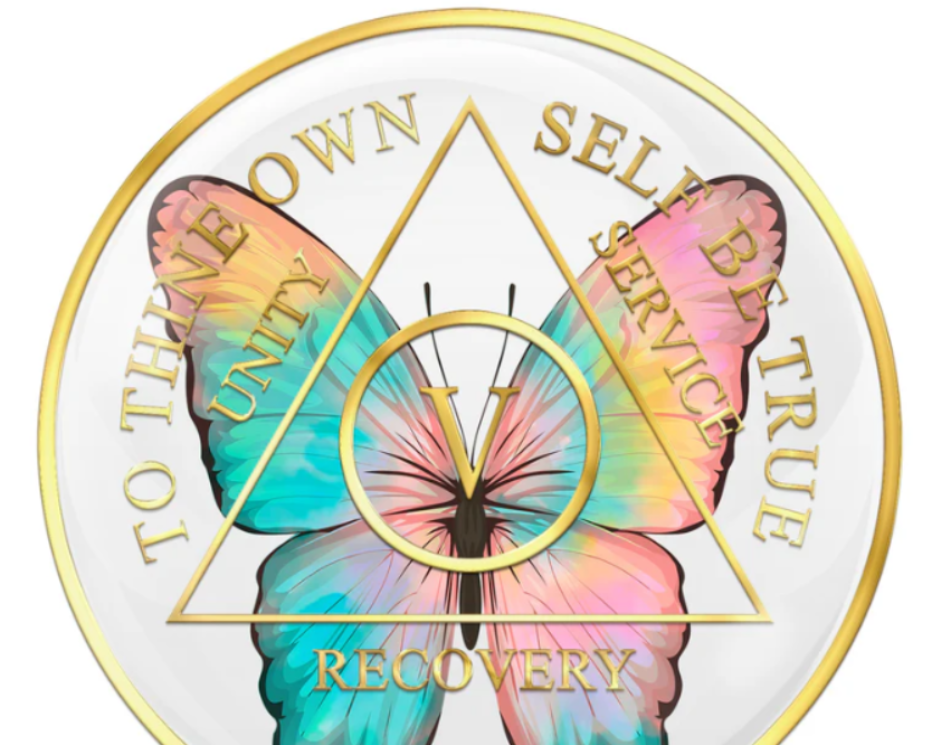
Time is one of the most valuable signs of progress in recovery, but it may seem abstract without something to symbolize it. For example, sobriety coins are often utilized to celebrate certain milestones to make time become a tangible object that you can hold and contemplate.
Consequently, every token is associated with a specified duration, e.g., 24 hours, 30 days, or one year. Due to this, you can observe your progress rather than merely thinking about it. Moreover, this helps to make every milestone more authentic and earned.
Furthermore, the presence of a physical sign strengthens the effort on each step. You do not doubt the progress; you have something tangible that confirms it. Thus, you can have an easier time recognizing and appreciating your journey.
2. Structured Milestone System for Daily Commitment
Recovery commonly focuses on day-in, day-out recovery, but it does not mean that long-term development should not be structured. Thus, milestone tokens develop a framework that splits your path into intervals that are easy to manage.
First, the shorter milestones can assist you in focusing on short-term objectives. Then, over time, these smaller steps slowly develop into longer durations of commitment. Because of this, the concept of long-term recovery seems more attainable.
Moreover, such a system offers a sense of direction. You never have to guess what milestone you are headed to next. Due to this fact, progress does not feel chaotic but predictable.
3. Visual Timeline of Recovery Journey
When you are able to see progress with your own eyes, it is far easier to track the progress. As a matter of fact, milestone tokens automatically form a visual path that captures your journey towards recovery over time. Besides, when you accumulate tokens, they create a series that indicates various stages of your development. Due to this fact, it is easy to go back and realize how much you have achieved. Consequently, your journey becomes more complete and organized. Moreover, this timeline points out the effect of consistency as a cumulative process. The tokens are linked together and indicate sustained effort. As such, your development seems continuous and intentional.
4. Reinforcement of Personal Accountability
Accountability plays a central role in maintaining progress; therefore, it needs consistent reinforcement. In this context, milestone tokens act as personal symbols of commitment.
Furthermore, each token represents a promise you have kept to yourself. Whenever you carry or look at it, it serves as a reminder of the discipline required to reach that point. As a result, you stay more mindful of your choices.
Moreover, this form of accountability comes from within rather than external pressure. Because of this, you take ownership of your progress. Over time, this strengthens both discipline and long-term consistency.
5. Motivation Through Recognized Milestones

Motivation can fluctuate, especially during difficult phases; however, milestone tokens provide consistent reinforcement. Each milestone becomes a moment of recognition that supports continued effort. Moreover, instead of waiting for a distant goal, you experience progress in smaller, steady steps. As a result, motivation feels ongoing rather than delayed. Furthermore, each achievement builds confidence to move forward.
In addition, reflecting on past milestones reminds you of what you have already achieved. Because of this, it becomes easier to stay committed even when progress feels slow. Therefore, tokens play a key role in sustaining motivation.
6. Emotional Support During Difficult Moments
Recovery includes moments that test your patience and resilience. During these times, it can be difficult to stay focused; however, milestone tokens provide a sense of grounding.
Furthermore, whenever you look at a token, it reminds you of the effort it took to reach that milestone. As a result, your focus shifts from temporary challenges to long-term progress. Therefore, it becomes easier to regain perspective.
Additionally, these tokens often carry personal meaning beyond time. They represent strength, consistency, and the decision to continue forward. Because of this, they offer reassurance when motivation feels low.
Bottomline
Milestone tokens provide a practical and meaningful way to track personal progress in recovery. By turning time into something visible, they make it easier to recognize and reflect on your journey.
Moreover, they introduce structure, which helps maintain consistency and direction over time. In addition, they reinforce accountability while supporting motivation through regular milestones. During challenging moments, they also serve as reminders of resilience and effort.
Therefore, milestone tokens make progress more tangible and easier to sustain. When you can clearly see your progress, staying committed to the path ahead becomes more achievable.