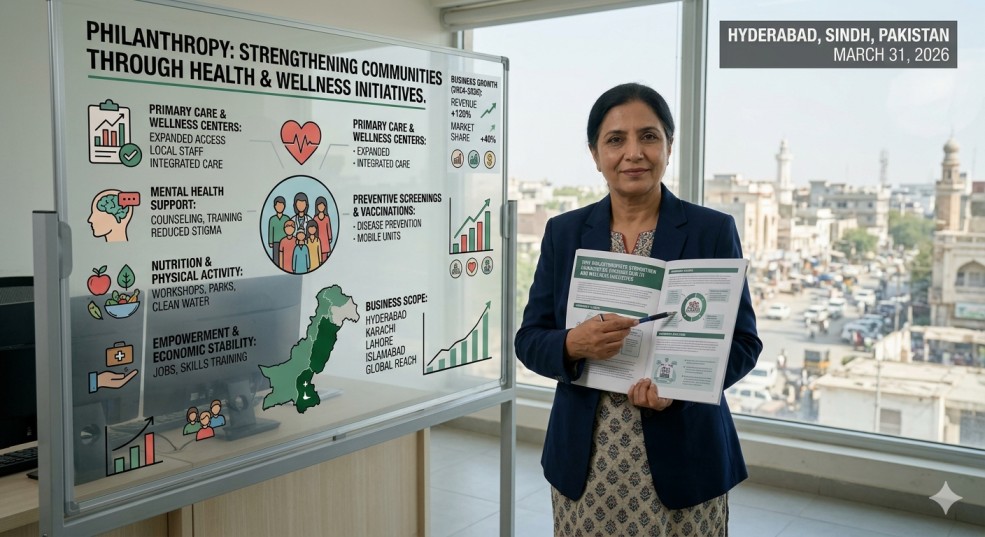
When a community thrives, it is often because the people within it have the resources they need to live well. Behind many of these success stories are philanthropists who direct their resources toward health and wellness. Their contributions do more than fund programs.
They create a foundation for long-term change. By focusing on physical and mental well-being, donors like Ben Navarro address the root causes of social struggle. Their work proves that good health is the cornerstone of a prosperous society.
The Connection Between Health and Economic Stability
Philanthropists understand that a healthy population is essential for a strong local economy. When individuals suffer from chronic illness or lack access to care, their ability to work and support their families decreases. This creates a cycle of poverty that is difficult to break. By funding clinics and preventive care programs, donors help keep the workforce active and productive. Employers benefit from healthier employees, and families benefit from steady incomes. This economic stability then allows the community to invest in other areas like education and housing.
Expanding Access to Nutritious Food
Access to fresh food remains a significant barrier in many neighborhoods. Philanthropic efforts often target these food deserts by supporting mobile markets and community gardens. These initiatives put healthy options within reach for families who previously relied on processed goods. Nutrition education programs accompany these efforts, teaching families how to prepare balanced meals on a budget. When children eat better, their concentration in school improves. These simple changes in diet create ripple effects that touch every aspect of daily life.
Support for Mental Wellness Services
Mental health has emerged as a critical component of community wellness. Philanthropists fund counseling centers and crisis hotlines that serve those who cannot afford private care. They also support programs that reduce the stigma associated with seeking help. Schools receive grants to hire guidance counselors who spot issues early. Veterans and first responders gain access to trauma services tailored to their experiences. A community that cares for the mind is one where people feel safe and valued.
Building Spaces for Physical Activity
Wellness requires places where people can move their bodies. Donors invest in public parks, walking trails, and recreational facilities that are free and open to everyone. These spaces encourage families to exercise together and neighbors to connect. Youth sports leagues receive equipment and uniforms, keeping teenagers engaged in positive activities. Senior centers offer gentle exercise classes that prevent falls and maintain independence. These physical spaces become the heartbeat of the neighborhood.
Strengthening Community Bonds Through Group Wellness
Health initiatives often bring people together in unexpected ways. Group fitness classes, walking clubs, and wellness workshops create opportunities for social interaction. Isolation decreases when people gather with a common purpose. Philanthropists who fund these programs see the social fabric of the community strengthen over time. Neighbors who meet at a yoga class may later form carpools or babysitting co-ops. This social capital is just as valuable as the medical care itself.
Philanthropists like Ben Navarro, who focus on health and wellness, recognize that these elements are the bedrock of any strong community. Their investments create environments where people can live longer, work harder, and connect more deeply with one another. The impact of a single donation can multiply as healthier individuals contribute more to their surroundings. Communities that prioritize wellness become places where families want to put down roots. Through thoughtful giving, philanthropists ensure that health is not a privilege for the few but a foundation for all.