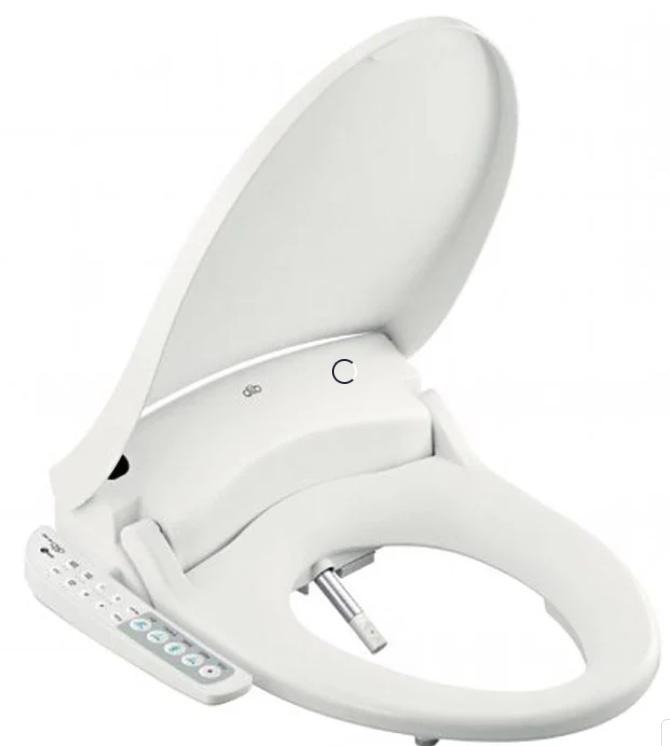
Bidets have gained popularity for their hygiene and environmental benefits. These bathroom fixtures offer a cleaner alternative to toilet paper, enhancing personal cleanliness. Replacing or supplementing traditional toilet methods, bidets use water to cleanse thoroughly after bathroom use. This guide explores bidets’ functionality, types, benefits, and provides guidance on selecting the ideal bidet for your needs. By understanding bidets, you can improve bathroom hygiene and comfort, transforming your daily routine.
What Is a Bidet
A bidet is a bathroom fixture designed to wash and cleanse the genital and anal areas after using the toilet. Typically installed next to the toilet, bidets can also be incorporated into toilet seats for seamless functionality. They offer a refreshing water stream, eliminating the need for excessive toilet paper, thereby ensuring a more hygienic and environmentally friendly approach to personal care. Bidets come in various designs, offering options for different preferences and bathroom styles. With increased awareness regarding hygiene, bidets are steadily becoming a staple in modern homes worldwide.
How Does a Bidet Work
Bidets work by directing a jet of water to clean the user after using the toilet. The water pressure and temperature can usually be adjusted to suit personal preferences, providing a comfortable and effective cleaning experience. Bidets generally include controls that allow users to direct the water spray accurately, ensuring thorough cleansing.
How Water Cleans More Effectively
Using water for cleaning is often more effective than toilet paper alone. Water can remove residue and bacteria more thoroughly, reducing the risk of irritation or infection. It can also be gentler on sensitive skin, offering a soothing alternative to the friction caused by wiping. By using water, bidets ensure a level of clean that many find unmatched, promoting healthier skin and better hygiene.
Basic Bidet Operation Explained
Operating a bidet is straightforward: after using the toilet, users activate the bidet either manually or via electronic controls, which start the water flow. Some bidets feature adjustable nozzles which can be position-controlled for targeted cleaning. Users can modify the pressure and temperature of the water for a comfortable experience. Once cleansing is complete, users simply dry off with a small towel or toilet paper, leaving them feeling clean and refreshed.
Different Types of Bidets You Can Choose
Bidets come in various styles, each designed to cater to different user preferences and bathroom configurations. Understanding these types can help you choose the best option for your needs.
Bidet Sprays for Simple Use
Bidet sprays, also known as hand-held bidet showers or shattafs, provide a very practical option. These sprays are easy to install and feature a nozzle attached to the toilet or wall nearby, allowing users to manually direct the stream of water for cleansing. They are cost-effective, require minimal space, and can be an excellent choice for smaller bathrooms.
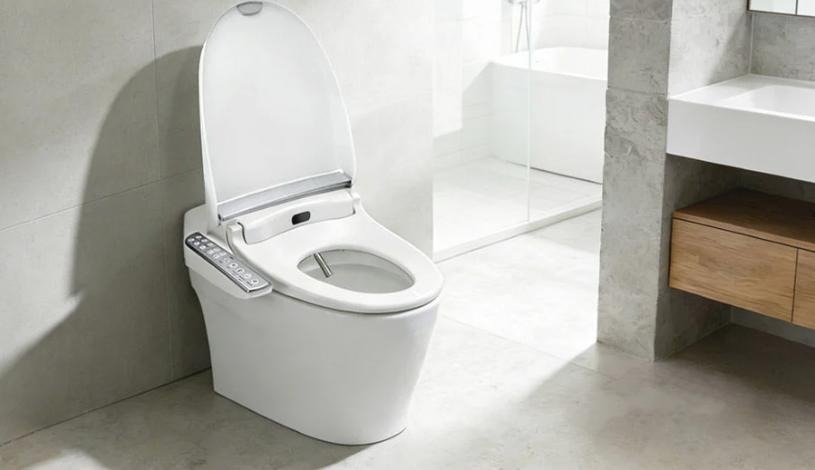
Bidet Seats for Modern Comfort
Bidet seats integrate bidet functionality directly into the toilet seat, combining convenience with technology. They often come with advanced features like warm water options, adjustable spray settings, and even air dryers. Installing a bidet seat is generally straightforward, and it replaces the existing toilet seat, providing a seamless, modern upgrade to traditional bathroom fixtures.
Standalone Bidets for Traditional Bathrooms
Standalone bidets are separate fixtures positioned alongside the toilet. Resembling a low sink, they offer a traditional yet effective cleansing method. Users switch to the bidet after using the toilet, direct the water stream, and cleanse the area thoroughly. Standalone bidets require more space and plumbing considerations, making them suitable for larger bathrooms with a classic design.
Benefits of Using a Bidet Every Day
Using a bidet can greatly enhance personal hygiene, reducing the likelihood of developing skin issues or infections often associated with toilet paper use. Bidets also provide environmental benefits by decreasing toilet paper consumption, thus saving trees and minimizing waste. Many individuals find using bidets more comfortable and gentle, leading to an improved overall bathroom experience. Health experts advocate for their use, indicating improvements in cleanliness and skin health.
Choosing the Right Bidet for Your Bathroom
Selecting the ideal bidet involves considering factors such as bathroom space, user preferences, and budget. Assess the available space to determine whether a standalone fixture or integrated seat is preferable. Evaluate features of bidet seats, like water temperature controls or additional functionalities to ensure they meet your needs. Additionally, bidet sprays can be an economical choice, combining affordability with effective cleansing. Research and reviews can help identify options that align with your lifestyle and requirements.
Conclusion
Understanding the functionality and benefits of bidets underscores their value in modern bathrooms. By choosing a bidet that matches your preferences and space, you can enhance hygiene and comfort in your daily routine. Bidets represent a shift toward a cleaner, eco-friendly approach, reducing waste while promoting personal health. As awareness grows, bidets will likely become more accessible, providing an improved and sustainable alternative to conventional toilet practices.