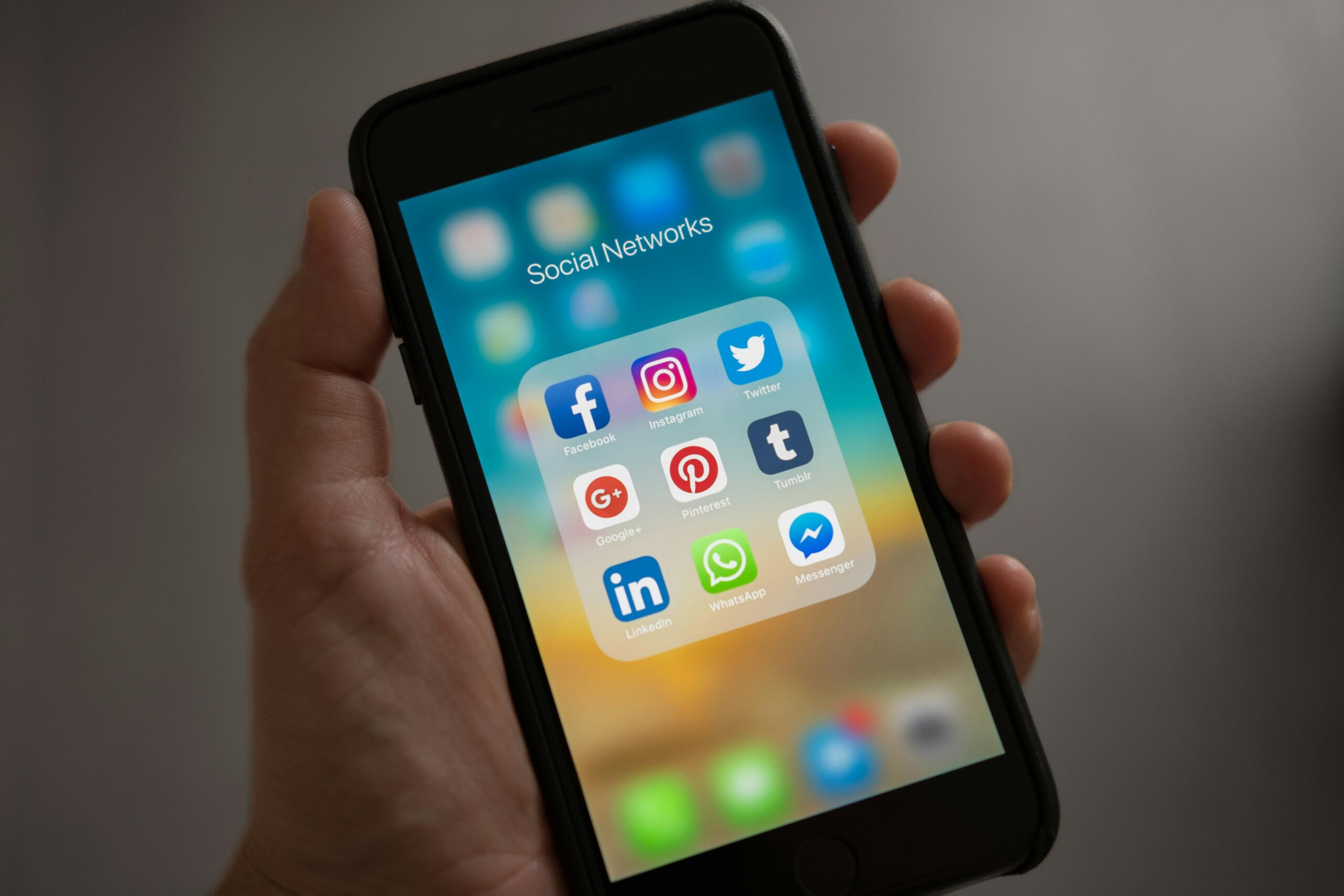
The demand for mobile applications continues to grow as businesses shift toward digital-first strategies. In competitive markets like San Diego, mobile apps are expected to deliver not only functionality but also performance, scalability, and a seamless user experience.
Companies operating in this environment must carefully evaluate development approaches, as building a mobile app involves more than just coding—it requires strategy, design, testing, and long-term support.
The Role of a Mobile App Development Company in San Diego
A mobile app development company typically provides end-to-end services, covering everything from initial concept to post-launch optimization. These services include planning, UI/UX design, development, testing, and maintenance.
To better understand how such services are structured, resources like mobile app development company san diego outline how development teams approach building scalable and user-focused applications.
In a tech-driven city like San Diego, development companies often work with startups, growing businesses, and enterprises across industries such as healthcare, fintech, and e-commerce.
Core Services Offered by Mobile App Developers
Mobile app development companies typically provide a wide range of services designed to support the entire product lifecycle.
Common services include:
- iOS and Android app development;
- cross-platform development using shared codebases;
- UI/UX design focused on usability and engagement;
- app testing, quality assurance, and deployment;
- ongoing maintenance and feature updates.
These services ensure that applications are not only functional but also reliable and adaptable to user needs.
Development Approaches Used in Modern Mobile Apps
Different projects require different technical approaches depending on goals, scalability requirements, and long-term strategy.
Widely used approaches include:
- native development for maximum performance and platform-specific features;
- cross-platform development for faster delivery and unified codebases;
- hybrid solutions that balance flexibility and performance.
Choosing the right approach depends on the complexity of the application and the expectations of its users.
Challenges in Mobile App Development Projects
Despite access to advanced tools and experienced teams, mobile app development projects often face challenges that can affect outcomes.
Common issues include:
- unclear product requirements;
- poor user experience design;
- lack of scalability planning;
- insufficient testing before launch.
Addressing these challenges early helps improve both product quality and overall development efficiency.
Best Practices for Building Successful Mobile Applications
To ensure long-term success, mobile applications should be developed with both users and business goals in mind.
Recommended practices include:
- focusing on user-centered design;
- prioritizing core features for initial release;
- testing across multiple devices and platforms;
- planning for post-launch updates and scaling.
Companies that follow these principles are more likely to build products that remain relevant and competitive.
Trends in Mobile App Development
Mobile app development continues to evolve alongside new technologies and changing user expectations.
Current trends include:
- integration of AI and machine learning features;
- increased use of cloud-based infrastructure;
- growth of cross-platform frameworks;
- emphasis on data security and privacy.
These trends reflect the shift toward more flexible, scalable, and intelligent mobile solutions.
FAQ
What does a mobile app development company do?
It provides services such as design, development, testing, and maintenance of mobile applications.
How long does it take to build a mobile app?
Development time depends on complexity, ranging from simple applications to large-scale platforms.
Is cross-platform development a good choice?
It can be efficient and flexible, but the best option depends on project requirements.
Why is UI/UX important in mobile apps?
A well-designed interface improves user engagement and retention.
Can mobile apps be updated after launch?
Yes, ongoing updates are essential for maintaining performance, security, and functionality.