
Hey there, sports fans! Today, we’re diving into the brilliant mind of the one and only Billy Beane. If you’re a baseball enthusiast, you’ve probably heard the name before. If not, well, you’re in for a treat.
Billy Beane is a former Major League Baseball player turned front office executive, known for his innovative and game-changing strategies that have revolutionized the way teams evaluate and acquire talent. His approach has been immortalized in Michael Lewis’s best-selling book “Moneyball,” which was later adapted into a movie starring Brad Pitt as Beane.
Let’s take a closer look at some of the key aspects of Beane’s genius:
- Utilizing sabermetrics to identify undervalued players
- Building competitive teams on a limited budget
- Emphasizing on-base percentage and slugging percentage over traditional stats like batting average
- Challenging conventional wisdom in baseball management
So, grab your peanuts and Cracker Jack, and join us as we uncover the genius of Billy Beane and his game-changing strategies that have left a lasting impact on America’s favorite pastime.
Quick Bio
| Full Name | Billy Beane |
|---|---|
| Known For | Oakland Athletics General Manager and Subject of Moneyball |
| Nationality | American |
| Profession | Baseball Executive |
| Notable Achievements | Revolutionizing the approach to building winning baseball teams through data analysis and statistical modeling |
| Recognition | Subject of the best-selling book “Moneyball” and its film adaptation |
Analyzing Billy Beane’s Impact on Data-Driven Decision Making in Baseball
Billy Beane, the former MLB player turned general manager of the Oakland Athletics, revolutionized the way baseball teams make decisions by introducing data-driven analysis to the sport. Beane’s impact on the use of statistics in baseball, known as sabermetrics, has had a lasting influence on team management strategies.
Before Beane took over as general manager in 1997, traditional scouting methods heavily influenced player acquisitions. However, Beane saw the potential in using statistical analysis to evaluate player performance more accurately and efficiently. This led to the development of the “Moneyball” approach, which focused on finding undervalued players based on their on-base percentage and other key metrics.
One of Beane’s most famous success stories was the 2002 Oakland Athletics team, which achieved a 20-game winning streak with a budget significantly lower than most other teams in the league. This accomplishment showcased the power of data-driven decision-making in baseball and solidified Beane’s reputation as a pioneer in the field.
Beane’s methods inspired other teams to adopt similar strategies, leading to a league-wide shift towards incorporating analytics into player evaluation and game strategies. Today, data-driven decision-making is a fundamental aspect of baseball operations, thanks to the trailblazing efforts of Billy Beane. His impact continues to shape the way teams approach roster construction, player development, and in-game decision-making.
The Evolution of Billy Beane: From Player to Executive to Legend
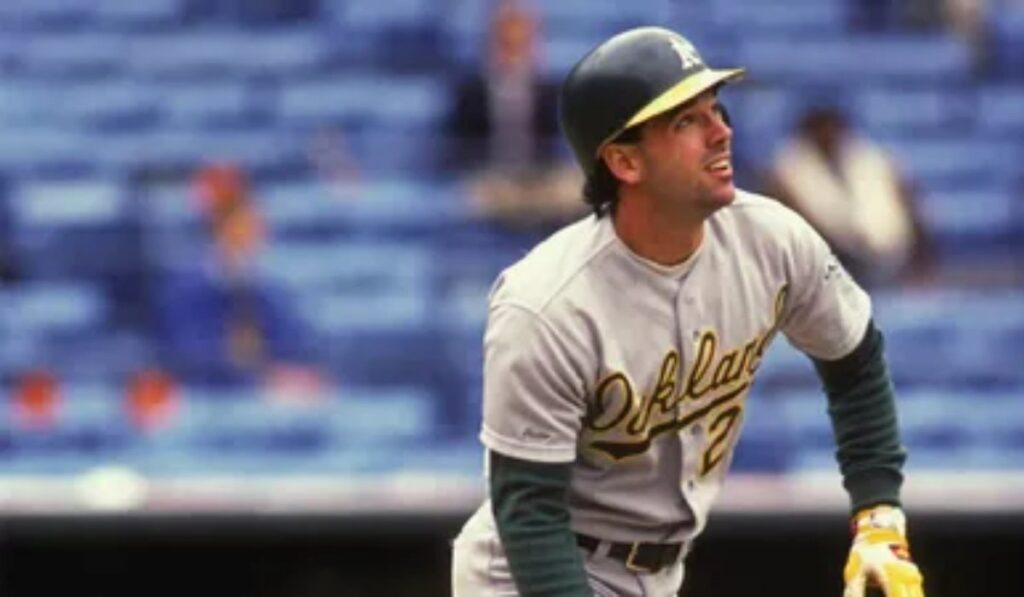
Billy Beane, once a promising young baseball player, transitioned into a highly successful executive in Major League Baseball. Known for his revolutionary approach to scouting and team-building, Beane’s impact on the game goes far beyond his playing days.
After being drafted by the New York Mets in the first round of the 1980 MLB Draft, Beane made his major league debut in 1984 with the team. He spent time with the Mets, Minnesota Twins, Detroit Tigers, and Oakland Athletics throughout his playing career before retiring in 1990. Despite not living up to the high expectations placed on him as a player, Beane found his true calling in the front office.
Joining the Oakland Athletics as the general manager in 1997, Beane’s unconventional methods and emphasis on sabermetrics transformed the team into a perennial contender with a limited budget. This approach was famously chronicled in Michael Lewis’s book “Moneyball,” which was later adapted into a successful film starring Brad Pitt as Beane.
Beane’s success as an executive led to other teams around the league adopting similar strategies and forever changing the way baseball organizations evaluate and acquire talent. His legacy as a pioneer in the sport is undeniable, solidifying his status as a legend in the baseball world.
Breaking Down Billy Beane’s Revolutionary Approach to Building Winning Teams
Billy Beane, a former professional baseball player turned front office executive, is best known for his innovative and revolutionary approach to building winning teams. Beane’s approach, popularized in the book and film “Moneyball,” challenged traditional baseball scouting methods by focusing on data and analytics to identify undervalued players and create competitive teams on a limited budget.
One of the key principles of Beane’s approach is the use of sabermetrics, a specialized form of baseball analysis that relies on statistical evidence rather than subjective observations. By looking at advanced metrics like on-base percentage and slugging percentage, Beane was able to find players who were often overlooked by other teams but had the potential to perform well on the field.
Beane’s strategy also involved exploiting market inefficiencies in baseball, such as players who were undervalued due to biases or outdated scouting methods. By targeting these undervalued players, Beane was able to assemble competitive teams that could consistently outperform expectations.
Furthermore, Beane’s emphasis on developing a strong organizational culture and fostering a collaborative environment among players and staff members was crucial to his success. This focus on teamwork and communication helped create a cohesive unit that was able to maximize its collective talents and succeed on the field.
Overall, Billy Beane’s revolutionary approach to building winning teams has had a lasting impact on the world of baseball and beyond. His willingness to challenge conventional wisdom and embrace data-driven decision-making has inspired countless other sports executives and business leaders to think outside the box and pursue innovative strategies for success.
Exploring Billy Beane’s Influence on Sabermetrics and Statistical Analysis in Baseball
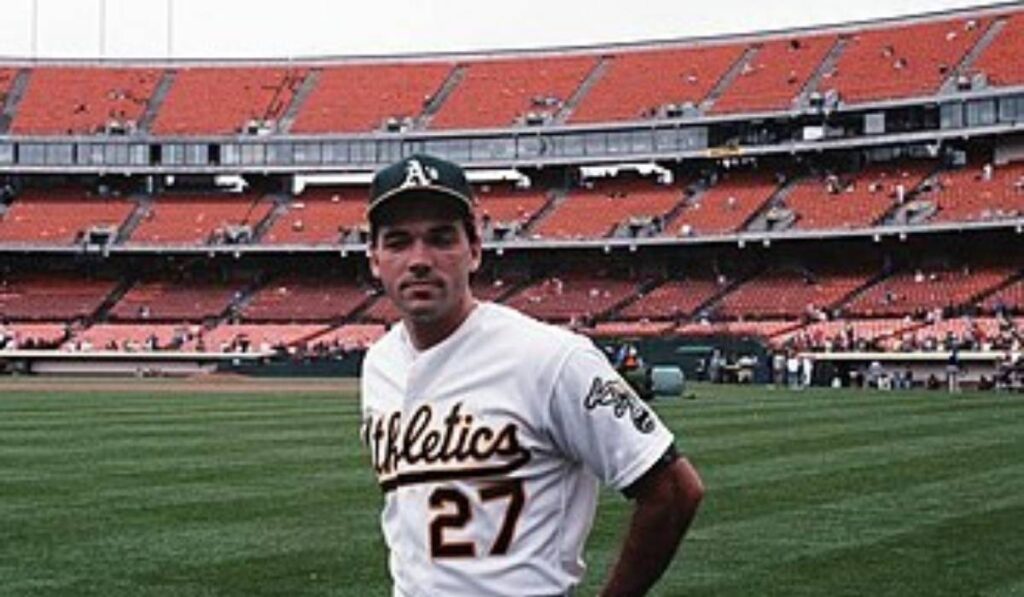
Billy Beane’s impact on the world of baseball cannot be understated. As the general manager of the Oakland Athletics, Beane revolutionized the way teams evaluate and analyze players by focusing on sabermetrics and statistical analysis. Sabermetrics is a method of evaluating baseball players and teams using statistical analysis, with a heavy emphasis on on-base percentage, slugging percentage, and other advanced metrics rather than traditional statistics like batting average and RBI.
Beane’s approach was highlighted in Michael Lewis’ book “Moneyball,” which chronicled how Beane managed to field a competitive team despite having a limited budget compared to other franchises. This led to Beane being heralded as a visionary in the baseball world, with other teams quickly adopting his methods.
One key aspect of Beane’s influence on sabermetrics was his focus on finding undervalued players who excelled in certain statistical categories that were overlooked by other teams. By targeting players who had high on-base percentages or low strikeout rates, Beane was able to construct competitive rosters on a shoestring budget.
Some key facts about Billy Beane’s influence on sabermetrics and statistical analysis in baseball include:
- Beane’s focus on on-base percentage as a key indicator of offensive success.
- The success of the Oakland Athletics in the early 2000s despite a limited payroll.
Overall, Billy Beane’s impact on sabermetrics and statistical analysis in baseball has forever changed the way teams evaluate and analyze players, leading to a new era of data-driven decision-making in the sport.
The Legacy of Billy Beane: How His Innovations Have Transformed the Game
Billy Beane, a former Major League Baseball player turned front office executive, revolutionized the game with his innovative approach to roster building. As the General Manager of the Oakland Athletics, Beane implemented a data-driven strategy known as “Moneyball” that focused on analyzing player performance through advanced statistics rather than traditional scouting methods.
Beane’s use of sabermetrics, or advanced analytics, allowed the small-market Athletics to compete with much wealthier teams by finding undervalued players who could provide high performance at a lower cost. His emphasis on on-base percentage and slugging percentage over more traditional stats like batting average transformed the way teams evaluated player talent.
One of Beane’s most famous moves was the trading of All-Star first baseman Jason Giambi in 2001. Despite losing a star player, Beane was able to acquire multiple undervalued players who helped the Athletics continue their success at a fraction of the cost.
Beane’s ideas have had a lasting impact on the game, with many teams now incorporating advanced analytics into their decision-making processes. The use of data-driven strategies to evaluate player performance has become commonplace in baseball and other sports, thanks in large part to Beane’s pioneering work with the Athletics.
Overall, Beane’s legacy as a forward-thinking executive who challenged traditional baseball conventions continues to influence the way teams approach roster construction and player evaluation in the modern era. His innovations have truly transformed the game and left a lasting impact on the sport.
Billy Beane’s Greatest Hits: A Deep Dive into His Most Memorable Trades and Signings
Billy Beane, renowned as the mastermind behind the Moneyball philosophy, has a long and storied career as the general manager of the Oakland Athletics. Throughout his time with the team, Beane has made several impactful trades and signings that have shaped the franchise and contributed to their competitive success.
One of Beane’s most memorable trades was the acquisition of pitcher Tim Hudson from the Oakland Athletics in 1999. Hudson went on to become a three-time All-Star and a key member of the team’s formidable pitching rotation. Beane’s ability to identify talent and make bold moves like this one has become synonymous with his approach to building a winning team.
In addition to his success on the trading front, Beane has also made a number of savvy free agent signings. One of the most notable signings was outfielder Yoenis Cespedes in 2012. Cespedes made an immediate impact, earning Rookie of the Year honors and providing a much-needed offensive boost for the team.
Beane’s talent for making shrewd deals and finding value where others may not has solidified his reputation as one of the greatest general managers in baseball history. His ability to consistently field competitive teams on a limited budget is a testament to his keen eye for talent and unwavering determination to win.
Behind the Scenes with Billy Beane: An Inside Look at His Leadership Style and Management Philosophy
Billy Beane, the former professional baseball player turned front office executive, is renowned for his innovative leadership style and management philosophy that forever changed the way the game is played and managed. Beane, who is currently the Executive Vice President of Baseball Operations for the Oakland Athletics, is best known for his revolutionary approach to team-building based on statistical analysis.
An inside look at Beane’s leadership style reveals a focus on efficiency, adaptability, and a willingness to challenge tradition. He is known for his ability to think outside the box and constantly seek new ways to excel in a competitive industry. Beane’s management philosophy emphasizes the importance of data-driven decision-making and the value of embracing change to stay ahead of the curve.
One key aspect of Beane’s leadership style is his emphasis on teamwork and collaboration. He values diverse perspectives and encourages open communication among team members to foster creativity and innovation. Beane also places a strong emphasis on developing talent and empowering individuals to reach their full potential.
Overall, Billy Beane’s leadership style and management philosophy serve as a testament to the power of strategic thinking, innovation, and a relentless pursuit of excellence. His success in transforming the Oakland Athletics into a competitive force in Major League Baseball stands as a testament to his visionary approach to leadership and management.
Frequently Asked Questions
1. Who is Billy Beane?
Billy Beane is a former professional baseball player and current executive vice president of baseball operations for the Oakland Athletics.
2. What is Billy Beane known for?
Billy Beane is known for revolutionizing the way baseball teams evaluate and acquire players by using advanced statistical analysis, a methodology later popularized in the book and film “Moneyball”.
3. How long has Billy Beane been with the Oakland Athletics?
Billy Beane has been with the Oakland Athletics since 1997, first as the team’s general manager and later as the executive vice president of baseball operations.
4. Has Billy Beane’s approach to baseball analytics been successful?
Yes, Billy Beane’s approach to baseball analytics has been highly successful, leading the small-market Oakland Athletics to multiple postseason appearances and competitive seasons on a limited budget.
5. What awards or recognitions has Billy Beane received for his work in baseball?
Billy Beane has been named Major League Baseball Executive of the Year multiple times and was also awarded the 2014 Sporting News MLB Executive of the Year award for his contributions to the Oakland Athletics.
Read More at Mynextmag