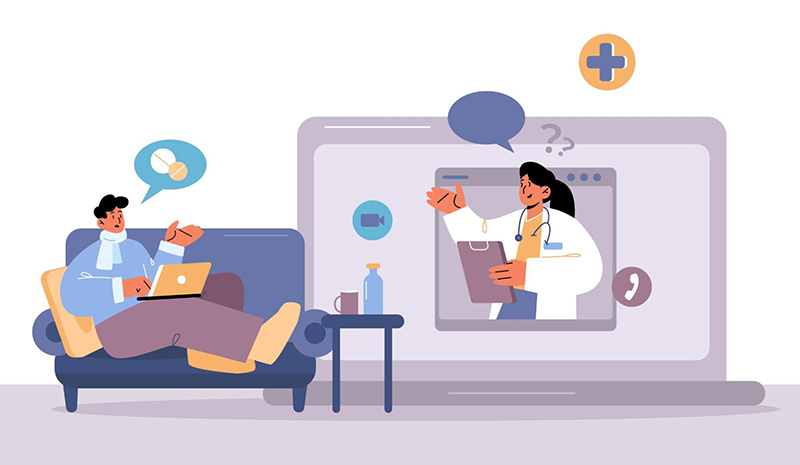
Patient engagement and education are key drivers of better health outcomes. When patients understand their conditions, know their treatment options, and are engaged with their care plans, they’re more likely to follow care instructions, attend appointments, and take an active role in their own health. The right technology can give healthcare facilities new ways to deliver necessary information, improve communication, and empower your clients to manage their care more effectively.
Patient Portals
Patient portals are one of the most widely used engagement tools in healthcare. These secure online platforms allow individuals receiving care to view test results, visit summaries, and medication lists, and provide an easy way to communicate with their care team for questions that aren’t time-sensitive. By giving patients direct access to their health information, portals encourage greater transparency in healthcare and help them better understand their conditions and treatment plans. You can also add educational resources tailored to your patients’ conditions to their portals, so they can learn more about their diagnosis and care.
Digital Learning Tools
Digital education platforms give your consumers access to videos, articles, and other learning modules that make healthcare information easier to understand. These resources can explain complex medical topics in simpler language and even provide visuals to improve understanding. You can assign educational content for a patient before or after their visit, helping them prepare questions or better understand what was discussed in their last appointment. This tool reduces the chance of confusion or forgetting information after patients leave your clinic.
Mobile Health Apps
Mobile health apps help consumers stay engaged between visits. These apps can provide medication reminders, symptom-tracking tools, lifestyle coaching, and more. By regularly using these tools, your customers will become more aware of how their daily choices impact their condition and overall health. Apps also give you, the healthcare provider, valuable insights into your patients’ behavior, so you can provide better care.
Automated Messaging and Reminders
Automated text messages, emails, and phone calls keep patients up to date on their appointments and care needs without adding work to your staff’s workload. These automated tools can provide appointment reminders, preventive care alerts (e.g., informing them they’re due for their annual checkup), and even tips related to chronic conditions or upcoming procedures (e.g., reminding them to fast before they have their blood drawn for lab testing).
Consistent communication through the right patient access softwarehelps reinforce important information and keeps people involved in their own care.