Are you sure your vessel is supported by the right marine hauling setup?
Choosing the proper system is key to keeping your boat safe during lifting, transport, and storage. The wrong setup can lead to damage, delays, and high repair costs. You need equipment that fits your vessel’s size, weight, and hull shape.
From travel lifts to trailers and blocking systems, each option serves a clear purpose. Knowing what to look for helps you avoid risk and protect your investment. Ready to find the best setup for your vessel? Let’s dive in.
Know Your Vessel’s Size and Weight
Start by learning the true size and weight of your vessel. Check the length, width, and total weight. Include fuel, water, tools, and other gear on board. These items add more weight than expected. The hauling setup must hold the full load without strain.
If the system is too small, it can fail and cause damage. This can harm the hull and cost a lot to fix. Always use clear and correct numbers. Check the manual or builder’s guide if needed.
When you know the exact size and weight, you can choose a setup that fits and keeps your vessel safe during lifting and moving.
Check Your Hull Shape
Next, look at the shape of the hull. The hull is the bottom part of your vessel. Some hulls are flat. Some are round or deep. Each shape needs the right kind of support. If the hull is not supported in the right way, it can bend or crack.
The hauling setup must match the hull design. Support pads and straps should sit in the right spots. This spreads the weight in a safe way. Good support keeps the vessel steady while it is lifted or moved. Always make sure the setup protects the hull from stress and damage.
Pick the Right Equipment
Different hauling jobs need different tools. Some jobs need a travel lift. Others need a trailer or a crane. The right choice depends on the vessel and the place where the work is done.
Think about the ground surface and space around the site. A tight space may need smaller equipment. A heavy vessel may need stronger lifting gear. The right equipment makes the job smooth and safe.
It also helps avoid delays and extra costs. When the setup fits the job from the start, it helps save money over time.
Inspect the Equipment
Before any lift, check the hauling tools. Look at straps, pads, cables, and tires. Make sure there are no cracks, rust, or worn parts. Weak tools can break under weight. This can cause serious damage. Clean and strong equipment helps keep the vessel safe.
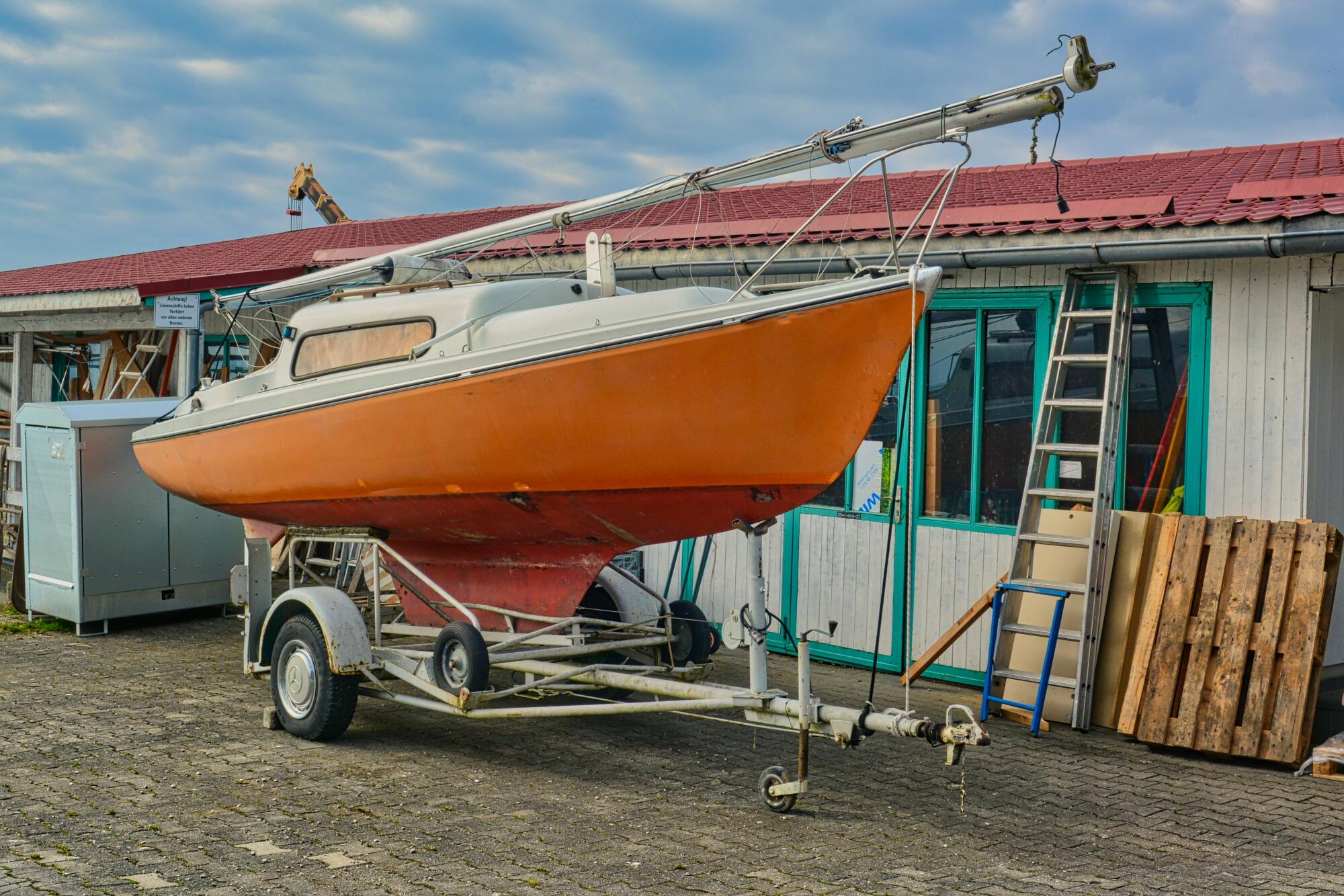
Also check bolts, hooks, and lift arms for a tight fit and smooth movement. Test the brakes and lights if using a trailer. Make sure all parts work well together. If planning to upgrade soon, take time to review trusted boat trailers for sale.
Make the Smart Choice for Safe and Smooth Hauling
Choosing the right marine hauling setup protects your vessel from damage and stress. When you know your vessel’s size, hull shape, and total weight, you can select equipment that fits the job.
Safe tools and skilled operators also lower risk during lifting and transport. Each smart step helps prevent costly mistakes. With the right setup in place, your vessel stays secure on land and during every move.
Take time to plan well so each haul is safe, smooth, and worry-free.
Did you find this article helpful? You can check out our website for more awesome content like this!