Schools today require clear information to make accurate academic and administrative decisions. Administrators now use digital tools to understand student performance and operations better. To support this process, many institutions rely on school management software instead of guesswork. Discover how schools improve academic planning while managing daily activities efficiently.
Earlier, schools depended on experience alone. Principals reviewed registers and spoke with teachers to understand progress. This method worked for small institutions. Today, schools manage hundreds or thousands of students. Manual observation no longer provides clear insight. Leaders need real information quickly. Accurate data allows schools to plan better. Without it, decisions become assumptions.
Why Schools Need Data for Planning
Running a school requires constant decisions. Administrators must plan admissions, staffing, and academic strategies.
Important questions schools must answer:
- Which classes need more teachers?
- Which students require support?
- Are fee collections stable?
- Are attendance levels improving?
- Which subjects show weak results?
Without organized data, schools rely on estimates. Estimates often create wrong decisions.
Schools adopting structured academic monitoring practices understand problems earlier and respond faster.
Tracking Student Performance Effectively
Academic progress is the most important measure of school success. However, tracking performance manually is difficult.
Teachers maintain notebooks. Coordinators prepare reports. Administrators review summaries at term end. By that time, improvement opportunities are lost.
Digital tracking allows continuous monitoring.
Schools can review:
- Class-wise performance
- Subject-wise results
- Individual student progress
- Assessment trends
Instead of reacting after exams, schools act during the term.
The Role of a Student Information System
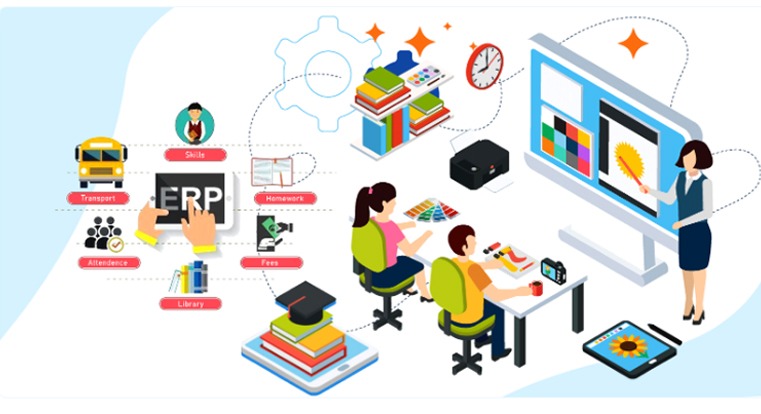
To achieve accurate tracking, schools implement a student information system that stores academic and operational records together.
The system gathers data daily and organizes it automatically. Leaders can access reports anytime.
It helps schools monitor:
- Attendance patterns
- Academic grades
- Assignment completion
- Behavior records
- Promotion history
Teachers upload marks once. The system prepares reports instantly. Coordinators identify weak students early.
Practical improvements schools see
- Early identification of struggling students
- Timely parent communication
- Better lesson planning
- Improved exam preparation
Schools no longer wait for final exams to evaluate performance.
Using Data to Improve Attendance and Discipline
Attendance directly affects academic results. Manual registers hide trends. Staff notice issues too late.
Digital reports reveal patterns quickly.
Administrators can identify:
- Frequently absent students
- Classes with low attendance
- Seasonal attendance drops
Schools then contact parents early and provide support.
Discipline management also improves. Staff record incidents immediately. Patterns become visible. Schools can intervene before problems grow.
Data-Driven Administrative Decisions
Technology also improves operational decisions. Administrators can review real-time information instead of waiting for monthly summaries.
Examples of decisions improved by data:
- Hiring additional teachers
- Opening new sections
- Adjusting fee structures
- Planning school transport
- Scheduling exams
Leaders gain confidence because decisions rely on facts.
Instead of reacting to complaints, schools act proactively.
Benefits for Teachers and Parents
Data-based operations help everyone in the school community.
Teachers benefit because they understand student progress better. They adjust teaching methods earlier.
Parents also gain confidence. They receive clear performance information and timely updates.
Schools that communicate with evidence build trust faster.
Long-Term Institutional Growth
Data helps schools grow systematically. Expansion becomes safer because leaders understand capacity and demand.
Schools can analyze:
- Enrollment trends
- Subject popularity
- Performance history
- Resource utilization
Planning becomes organized rather than experimental.
Final Thoughts
Modern schools need more than good teaching. They need clear insight into their operations. Data provides that clarity. When schools rely only on manual observation, problems remain hidden. Digital reporting reveals them early. Technology supports educators by providing useful information. Leaders plan better. Teachers guide students effectively. Parents remain informed. Institutions that adopt data-driven management create stable growth and better academic outcomes. See how technology supports smarter school decisions and helps schools build a stronger educational future.