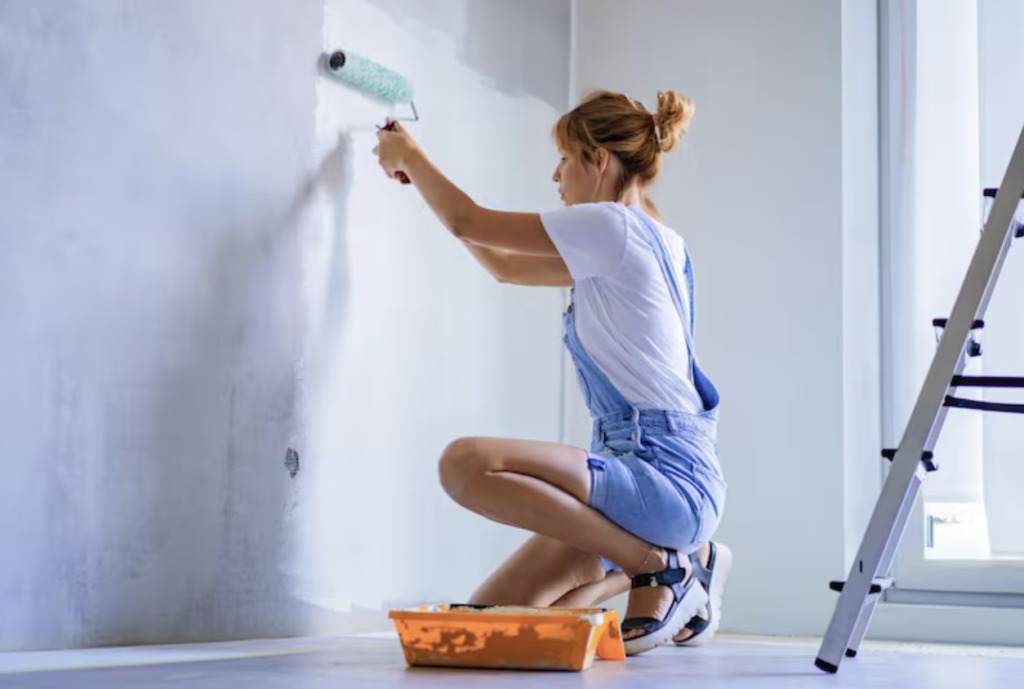
Your walls aren’t just surfaces; they set the tone for every room in your home. A sloppy paint job can undermine even the most beautiful space, leading to peeling, streaks, or uneven coverage. Working with experienced Interior Painting Contractors Denver CO ensures your paint not only looks flawless but lasts for years. Understanding common paint problems and how to prevent them can save you time, money, and a lot of frustration.
From peeling and bubbling to unsightly streaks and uneven coverage, most paint issues stem from improper preparation or application techniques, and they’re almost entirely avoidable when you know what to watch for.
Peeling and Flaking Paint
Peeling paint is one of the most common and visually obvious problems homeowners encounter. This issue occurs when paint loses its adhesion to the surface underneath, causing it to lift away in chips or sheets. The primary culprit is almost always poor surface preparation. Painting over dirty, greasy, or dusty surfaces prevents proper adhesion from the start. Similarly, applying paint to glossy surfaces without proper sanding creates a slick barrier that new paint simply can’t grip. Moisture is another major paint factor; painting a damp surface or a wall with underlying moisture issues will inevitably lead to peeling.
To prevent this problem, always clean walls thoroughly with a mild detergent solution and allow them to dry completely. Sand glossy surfaces to create texture for the new paint to grab onto, and address any moisture issues before you even think about opening a paint can. Use a quality primer appropriate for your surface type, as this creates the ideal foundation for your topcoat.
Cracking and Alligatoring
Cracking paint looks exactly like it sounds: fine lines or deeper fissures that develop in your paint finish. Alligatoring is a more severe version where the paint develops a scaly, reptilian pattern. These problems typically result from applying paint too thickly, painting over old brittle paint, or using incompatible paint types. When you apply an overly thick coat of paint, the surface dries faster than the layers underneath, creating tension that results in cracks. Similarly, applying oil-based paint over latex (or vice versa) without proper preparation can cause compatibility issues that manifest as cracking.
Avoid these issues by applying multiple thin coats rather than one thick layer. Always use primer when switching between paint types, and consider removing old, deteriorating paint entirely rather than painting over it. Quality paint applied correctly will flex with normal wall movement instead of cracking under stress.
Blistering and Bubbling
Paint blisters look like small bubbles or bumps under the paint surface, and they’re caused by trapped air, moisture, or solvent. When moisture gets trapped between the paint and the wall, whether from painting over a wet surface, high humidity during application, or moisture coming through from behind the wall, it creates these unsightly bubbles. Heat can also cause blistering, particularly if you paint in direct sunlight or during the hottest part of the day. As the surface heats up, it can create gas bubbles under the fresh paint film.
Prevention starts with proper timing and conditions. Never paint when the humidity is above 85 percent, and avoid painting in direct sunlight or extreme heat. Ensure surfaces are completely dry before painting, and use bathroom and kitchen exhaust fans to remove moisture from these high-humidity areas. If you notice blistering after painting, it may indicate a more serious moisture problem that needs professional attention.
Poor Coverage and Streaking
Few things are more disappointing than stepping back from a freshly painted wall only to see the old color showing through or obvious brush and roller marks streaking across your new finish. Poor coverage typically results from using low-quality paint, improper application technique, or skipping the primer.
Cheap paint contains less pigment and more filler, which means you’ll need more coats to achieve solid coverage, often negating any money you saved. Incorrect application technique, like overworking the paint or applying too thin a coat, can also leave you with streaky, uneven results.
Invest in quality paint with good hiding power, especially when making dramatic color changes. Always use primer when painting over dark colors, stains, or previously unpainted surfaces. Apply paint in a consistent W or M pattern with your roller, maintaining a wet edge to avoid lap marks. Two properly applied medium coats will always look better than one thick coat or three skimpy ones.
Color Variations and Uneven Sheen
You carefully selected the perfect color, but now different walls look like completely different shades, or parts of the same wall have varying levels of shine. This frustrating problem can result from inconsistent surface preparation, uneven application, or mixing paint from different batches.
Porous or repaired areas of a wall absorb paint differently than the surrounding surface, creating color variations even when you’re using the same paint. Similarly, applying paint too heavily in some areas and too lightly in others creates sheen inconsistencies.
The solution lies in consistent preparation and application. Prime all repaired areas and any porous surfaces before painting to create uniform absorption. When purchasing paint, buy enough for your entire project from the same batch, and mix multiple cans in a large bucket (a technique called “boxing”) to ensure color consistency. Maintain the same application pressure and technique throughout your project, and always apply the same number of coats to all surfaces.
Sagging and Drips
Paint sags and drips occur when you apply too much paint in one area, causing it to run down the wall before it can dry. This problem is especially common when painting vertical surfaces, trim, or doors, and it creates an obviously unprofessional appearance.
Overloading your brush or roller is the usual cause; that extra drip or two of paint you didn’t wipe off will come back to haunt you. Using paint that’s too thin or working in cold temperatures that slow drying time can also contribute to sagging.
Load your brush or roller properly, about one-third of the bristle length for brushes, and roll off excess on the tray for rollers. Apply paint in thin, even coats and catch any drips immediately with your brush before they dry. Work in moderate temperatures (between 50 and 85 degrees Fahrenheit) for optimal drying conditions.
Mildew and Mold Growth
Dark spots or discoloration appearing on your painted walls might not be a paint problem at all, it’s likely mildew or mold growth. This issue is particularly common in bathrooms, kitchens, basements, and other high-moisture areas.
While mildew can grow on any paint, it thrives on low-quality paints in humid conditions. Painting over existing mildew without killing it first guarantees it will return.
Before painting moisture-prone areas, clean thoroughly with a mildew-killing solution (one part bleach to three parts water works well). Allow the surface to dry completely, then use a quality paint with mildew-resistant properties. Improve ventilation in problem areas with exhaust fans, and consider a dehumidifier for basements or other chronically damp spaces.
Chalk and Fading
Over time, paint can develop a chalky residue on the surface or lose its vibrant color. While some fading is natural with age, premature chalking or fading indicates problems with paint quality or environmental factors.
Low-quality paint, excessive sun exposure, and moisture can all accelerate these processes. Using interior paint in exterior applications (or vice versa) also leads to rapid deterioration.
Choose quality paint formulated specifically for interior use, with UV-resistant properties for rooms with significant sun exposure. In particularly sunny rooms, consider window treatments to protect your walls. When washing painted walls, use gentle cleansers rather than harsh chemicals that can break down the paint finish.
The Bottom Line
Most interior paint problems are entirely preventable with proper preparation, quality materials, and correct application techniques. Whether you’re painting yourself or hiring professionals, the keys to success remain the same: clean and prepare surfaces thoroughly, use appropriate primers, invest in quality paint, apply thin, even coats, and work in proper environmental conditions.
Taking shortcuts might save a few hours or dollars in the short term, but dealing with paint failures will cost you far more in both time and money down the road. Do it right the first time, and your beautiful new paint job will continue looking fresh for years to come.