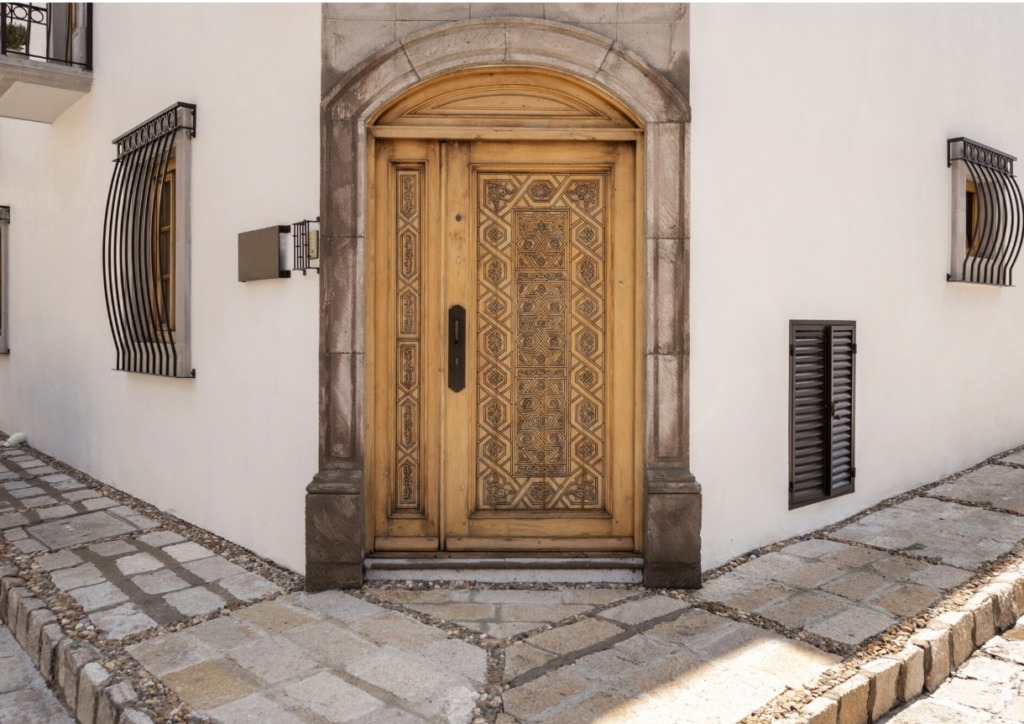
Your front door makes a powerful first impression. It’s the focal point visitors notice before anything else about your home. Yet many homeowners approach door selection as a purely functional decision. Pick something that opens, closes, and locks securely, then call it done. This overlooks the design potential that a well-chosen door brings to your home’s exterior. The right door enhances architectural style, complements existing design elements, and elevates curb appeal dramatically. The wrong door clashes with your home’s character, creating visual discord that diminishes your property’s appearance and value.
Custom Front Door Golden CO experts can help you create an entry that combines exceptional craftsmanship with personalized design, ensuring your door enhances both your home’s curb appeal and its architectural style. Understanding how to match door style to architecture transforms this utilitarian component into a design statement that makes your home stand out for all the right reasons.
Understanding Your Home’s Architectural Style
Why Architecture Matters for Door Selection
Architectural styles developed with specific design principles, proportions, and details. Doors that respect these principles look intentional and harmonious. Doors that ignore them look out of place, no matter how beautiful they are in isolation. A sleek modern door on a Victorian home looks jarring. An ornate traditional door on a contemporary house creates similar discord. The door’s style must align with the home’s overall design language.
This doesn’t mean you’re locked into one exact door design. Within each architectural category, numerous options work beautifully. But understanding your home’s style narrows choices to appropriate options, making selection easier and results more successful.
Identifying Your Home’s Style
If you’re unsure of your home’s architectural classification, look for these defining characteristics:
Traditional styles (Colonial, Victorian, Craftsman, Tudor) feature symmetrical facades, pitched roofs, detailed trim work, and classic proportions. These homes embrace ornamentation and established design rules.
Contemporary styles (Modern, Mid-Century Modern, and Contemporary) emphasize clean lines, minimal ornamentation, geometric shapes, and often asymmetrical facades. They celebrate simplicity and function.
Transitional styles blend traditional and contemporary elements, creating bridges between classic and modern aesthetics. These homes offer more flexibility in door selection.
Regional styles (Mediterranean, Spanish Colonial, Southwest, Cape Cod) incorporate location-specific materials, colors, and details reflecting climate and cultural influences.
Knowing where your home fits helps you evaluate which doors will enhance rather than fight against its character.
Doors for Traditional Home Styles
Colonial and Federal Style Homes
Colonial architecture emphasizes symmetry, classical proportions, and restrained elegance. Doors for these homes should reflect this formal, balanced aesthetic.
Ideal door characteristics:
Raised panel designs with 4-8 panels arranged symmetrically create the classic Colonial look. Six-panel doors are most traditional and widely recognized. Solid wood construction in traditional hardwoods like mahogany, oak, or cherry provides authenticity and visual weight appropriate to the style. Simple, elegant hardware in brass, bronze, or black finishes. Avoid overly ornate hardware that competes with the door’s clean lines. Sidelights and transoms frame the entrance formally. These glass panels flanking and topping the door increase light while maintaining traditional proportions. Colors typically lean conservative, deep reds, navy blue, black, dark green, or natural wood stains. Colonial homes rarely feature bright or trendy colors.
What to avoid:
- Modern flush doors with no paneling details.
- Rustic or heavily distressed finishes that feel informal.
- Oversized hardware or contemporary handlesets.
- Asymmetrical designs that disrupt Colonial symmetry.
Victorian and Queen Anne Homes
Victorian architecture celebrates ornamentation, decorative details, and dramatic visual interest. Doors for these homes can embrace embellishment more enthusiastically.
Ideal door characteristics:
Decorative glass inserts featuring beveled, leaded, or stained glass. These elaborate glass designs reflect Victorian love of detail and craftsmanship. Multiple panel configurations, sometimes with raised and recessed panels creating dimensional interest. Ornate hardware including decorative hinges, elaborate handlesets, and vintage-inspired fixtures. Bold colors that Victorians favored, burgundy, teal, purple, gold, or deep jewel tones. Historical accuracy embraces adventurous color choices.
Carved details or applied moldings that add texture and visual richness.
What to avoid:
- Plain, minimal designs that feel too modern or simplistic.
- Stark white or neutral colors that don’t honor Victorian boldness.
- Contemporary materials like fiberglass that lack authenticity.
- Minimalist hardware that doesn’t match the home’s ornate character.
Craftsman and Bungalow Homes
Craftsman style emphasizes natural materials, honest construction, and handcrafted quality. Doors should reflect these principles through visible craftsmanship and natural beauty.
Ideal door characteristics:
Vertical or horizontal panel arrangements with visible wood grain. Craftsman doors often feature distinctive top glass panels with multiple panes. Substantial, heavy-duty hardware in oil-rubbed bronze, copper, or hammered metal finishes that look handforged. Natural wood finishes or earthy stain colors highlighting wood character rather than obscuring it. Arts and Crafts style glass featuring geometric patterns, nature motifs, or prairie-school influences. Proportions that feel substantial and grounded, these aren’t delicate doors but solid, well-built entries.
What to avoid:
- Overly ornate Victorian details that feel too fussy.
- Bright, glossy paint colors that hide wood character.
- Sleek modern hardware that lacks tactile, handcrafted quality.
- Arched tops that don’t align with Craftsman’s rectilinear aesthetic.
Doors for Contemporary Home Styles
Modern and Contemporary Homes
Modern architecture celebrates clean lines, minimal ornamentation, and honest materials. Doors should embrace rather than fight this aesthetic.
Ideal door characteristics:
Flush or minimally detailed surfaces without traditional raised panels. Smooth expanses emphasize simplicity. Large glass sections or full-view glass doors that blur indoor-outdoor boundaries. Modern design embraces transparency and light. Horizontal lines and asymmetrical layouts that break from traditional symmetry. Mixed materials including wood, glass, metal, and sometimes concrete or fiberglass combinations. Sleek, minimal hardware, often handlesets with clean geometric forms in brushed nickel, stainless steel, or matte black. Bold, saturated colors or natural materials left in their authentic state. Think bright red, sunny yellow, or raw steel and wood.
What to avoid:
- Traditional raised panel configurations.
- Ornate glass patterns or divided lights that feel dated.
- Brass or traditional bronze hardware finishes.
- Arched tops or curved elements (unless specifically part of the design vocabulary).
Mid-Century Modern Homes
Mid-Century Modern represents a specific modern aesthetic from the 1940s-1960s. It has distinct characteristics within the broader modern category.
Ideal door characteristics:
Clean lines with subtle details, perhaps horizontal grooves or minimal paneling that doesn’t read as traditional.
Integration with large glass sidelights or floor-to-ceiling windows adjacent to the entry.
Natural wood finishes in warm tones like walnut, teak, or oak that were period-appropriate.
Geometric patterns if glass is included, think starburst, atomic age, or simple grids.
Hardware in brass (the original Mid-Century choice) or period-appropriate alternatives.
Natural wood tones or colors popular in the era, turquoise, orange, avocado, or natural wood stain.
What to avoid:
- Overly traditional panel arrangements.
- Contemporary matte black finishes that feel too current.
- Rustic or distressed finishes that didn’t exist in the period.
- Very contemporary materials that wouldn’t have been available in the era.
Doors for Regional and Specialty Styles
Mediterranean and Spanish Colonial
These styles embrace stucco exteriors, clay tile roofs, and arched elements. Doors should reflect Old World craftsmanship and warm, inviting aesthetics.
Ideal door characteristics:
Arched tops that echo architectural details throughout these home styles.
Heavy wood construction, often in rustic or knotty woods that convey age and character.
Decorative iron hardware, including strap hinges, clavos (decorative nails), and wrought iron fixtures.
Rich, warm wood stains or painted finishes in terracotta, deep brown, or warm cream colors.
Sometimes, carved details, rustic texture, or decorative nail heads add visual interest.
Speakeasy grills or wrought iron inserts providing Old World character.
What to avoid:
- Perfectly smooth, contemporary finishes.
- Modern hardware in chrome or brushed nickel.
- Cool color palettes that don’t reflect Mediterranean warmth.
- Rectangular, modern proportions without curves or traditional details.
Farmhouse and Country Styles
Farmhouse style values comfort, practicality, and lived-in charm. Doors should feel welcoming and unpretentious.
Ideal door characteristics:
Simple panel configurations, often 3, 5, or 6 panels in traditional arrangements.
Painted finishes in colors like white, cream, soft gray, or barn red.
Cottage-style or rustic hardware in black, oil-rubbed bronze, or wrought iron styles.
Optional glass panels for light, perhaps a simple rectangular insert or divided lights.
Proportions that feel substantial but not overly formal or imposing.
What to avoid:
- Overly ornate Victorian details that feel too fancy.
- Ultra-modern designs that contrast with farmhouse simplicity.
- Glossy, perfect finishes that lack farmhouse authenticity.
- Very formal symmetry with sidelights and transoms (unless going for more refined farmhouse).
Ranch and Split-Level Homes
These mid-20th century styles vary widely but generally feature horizontal lines and informal, accessible aesthetics.
Ideal door characteristics:
Simple, clean designs that don’t compete with the home’s horizontal emphasis.
Moderate detail, perhaps simple panels or minimal embellishment.
Colors that complement the home’s palette, often neutrals or earth tones.
Hardware that’s functional and straightforward without excessive ornamentation.
Proportions appropriate to the home’s typically modest scale.
What to avoid:
- Grand, imposing doors that overwhelm modest ranch proportions.
- Highly ornate details are inappropriate to ranch simplicity.
- Ultra-contemporary designs that create temporal disconnect.
- Doors so plain they feel cheap rather than appropriately simple.
Practical Considerations Beyond Style
Material Selection for Your Climate
Style preferences must balance with practical performance requirements based on your location.
Wood doors offer authentic beauty and customization but require maintenance in humid or rainy climates. They can warp, swell, or rot without proper care and quality construction.
Fiberglass doors mimic wood appearance while resisting weather damage better. They work well in variable climates and require minimal maintenance while offering good insulation.
Steel doors provide maximum security and excellent insulation. They dent if impacted and can rust in coastal environments without proper finishing, but they’re economical and very secure.
Composite wood doors blend wood fibers with resins, offering wood appearance with better moisture resistance than solid wood.
Climate influences material choice. Homes in humid coastal areas might favor fiberglass over wood. Dry climates allow solid wood to perform excellently with minimal issues.
Energy Efficiency Requirements
Your door provides a significant portion of your home’s building envelope. Its insulation value affects comfort and energy bills.
Look for Energy Star certification ensuring the door meets efficiency standards for your climate zone.
Check the U-factor, which measures heat transfer. Lower numbers indicate better insulation. Quality exterior doors should have U-factors of 0.25 or below.
Consider core insulation. Solid wood doors insulate moderately. Steel and fiberglass doors with foam cores insulate better. Some premium wood doors include insulated cores combining beauty with performance.
Evaluate weatherstripping included with the door. Quality seals around all edges prevent air infiltration that undermines even well-insulated doors.
Style and efficiency aren’t mutually exclusive. Beautiful doors in any style can incorporate excellent insulation and weather resistance.
Security Features
Front doors provide your home’s primary access point. Security matters regardless of style.
Solid core construction resists forced entry better than hollow cores. All exterior doors should be solid.
Quality deadbolts with at least 1-inch throw bolts into door frames. Look for Grade 1 locks offering maximum security.
Reinforced frames and strike plates distribute force across larger areas, resisting kick-in attempts.
Impact-resistant glass if your style includes glass elements. Laminated or tempered glass resists breaking, preventing intruders from smashing glass to reach locks.
Security features integrate into any style. Victorian homes can have high-security deadbolts. Modern homes can include impact-resistant glass. Don’t sacrifice safety for aesthetics.
Color Psychology and Curb Appeal
Traditional Color Meanings
Front door color affects both curb appeal and the psychological impression your home makes.
Black doors convey sophistication, formality, and timeless elegance. They work beautifully on traditional homes and create dramatic contrast on light-colored houses.
Red doors suggest welcome, energy, and confidence. They’ve historically signified hospitality. Red works on various styles from Colonial to modern.
Blue doors in navy or deep blue communicate stability and tranquility. Lighter blues feel coastal and relaxed.
Green doors connect to nature and growth. Deep greens suit traditional homes; sage or mint work on farmhouse styles.
Natural wood finishes emphasize organic beauty and craftsmanship. They work particularly well on Craftsman and contemporary homes.
White or cream doors create clean, classic appearances. They suit almost any style but can feel plain without architectural interest around them.
Matching Your Home’s Palette
Your door color should coordinate with your home’s existing colors, siding, trim, roof, and landscaping.
Create contrast so the door stands out as a focal point. If your home is light, consider a darker door. Darker homes can feature bright doors for pop.
Use your trim color as a guide. Many successful color schemes match the door to trim, creating cohesive coordination.
Consider undertones. Warm-toned homes (beige, cream, brown siding) pair best with warm door colors. Cool-toned homes (gray, blue, white) work with cool or neutral door colors.
Test before committing. Purchase sample paint colors and paint large boards. Observe them at different times of day in your actual light conditions before making final decisions.
Trendy Versus Timeless
Color trends come and go. Doors last 20-30 years. Choose colors you’ll love long-term.
Timeless choices include black, navy, deep red, forest green, and natural wood. These colors have remained popular for decades and likely won’t feel dated.
Trendy choices like bright coral, mint green, or millennial pink might feel dated within 5-10 years. If you love trendy colors, prepare to repaint sooner.
Consider your neighborhood. A bright purple door on a traditional street might be memorably bold or might be the house that doesn’t fit. Both outcomes are valid if intentional.
Hardware That Completes the Look
Matching Hardware to Style
Door hardware, handles, deadbolts, hinges, and accessories, should align with your door and home style.
Traditional homes benefit from classic hardware in brass, oil-rubbed bronze, or black iron. Choose styles with curves, traditional profiles, and established designs.
Contemporary homes suit minimal hardware with clean lines in brushed nickel, stainless steel, or matte black. Geometric shapes and streamlined profiles work best.
Craftsman and farmhouse styles pair well with substantial, visible hardware in black, bronze, or iron that looks hand-forged or artisan-crafted.
Consistency matters. If you use oil-rubbed bronze on your door, use it on outdoor lights and house numbers too. Mixed metal finishes can work but require intentional design choices.
Functional Hardware Choices
Beyond aesthetics, hardware serves important functions.
Handlesets combine doorknobs or levers with deadbolts in coordinated finishes. They provide both style and security.
Smart locks offer keyless entry, remote access, and integration with home automation. Many now come in styles appropriate for traditional homes, not just contemporary ones.
Kickplates protect door bottoms from scuffs and dents. They’re particularly useful for high-traffic entries.
Door knockers or doorbells announce visitors. Choose styles that match your hardware finish and door style.
Quality hardware makes doors easier to operate and lasts longer. Budget for the best hardware you can afford, you use it multiple times daily.
Making Your Final Decision
Choosing the right front door involves balancing style preferences, practical requirements, budget constraints, and long-term satisfaction.
Start with your home’s architecture as the foundation. This narrows options to styles that will look appropriate and harmonious.
Consider your climate to identify materials that perform well in your specific conditions with acceptable maintenance requirements.
Evaluate security and efficiency to ensure your beautiful door also protects your home and family effectively.
Choose colors and finishes that you’ll love for years while enhancing your home’s curb appeal and value.
Select quality hardware that complements your door style and provides the functionality you need daily.
Your front door represents a significant investment, typically $1,500-$5,000 or more depending on materials, size, and customization. Taking time to choose thoughtfully ensures you love your selection for decades rather than regretting a rushed decision. The right door transforms your home’s exterior from ordinary to outstanding, creating a welcoming entrance that reflects your home’s character and your personal style perfectly.