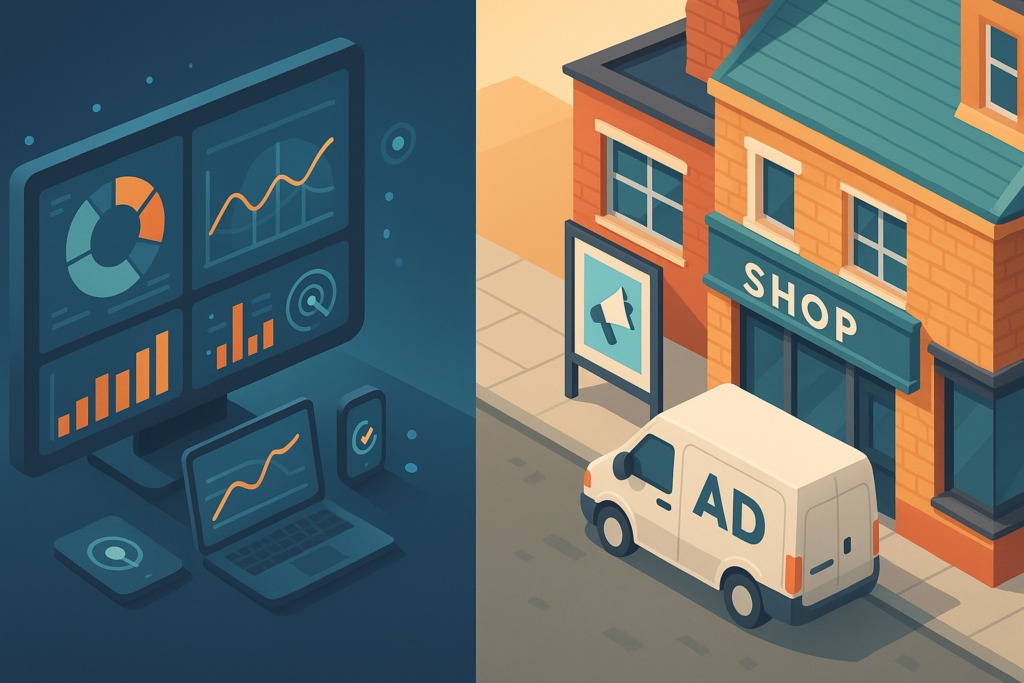
Technology of marketing has been changing very fast in the past decade. Individual processes that were previously managed by large teams and manual labor can be done in minutes by intelligent systems. The big question however, is what actually makes Nation AI marketing tools different than the usual marketing software? Do they merely represent enhanced versions of the same? Or do there exist a greater change? We will divide it into a practical manner.
Traditional Marketing Software Understanding
The conventional marketing software is concerned with implementation and structure. It assists companies with the scheduling of emails, customer database management, campaigns, and elementary analysis.
Imagination email marketing systems, CRM systems, and ad management dashboard. These tools are manual and have rules to follow and are structured. You instruct the system on what to do and it does it. And yet what about the time that you want more? Or faster optimization? Or predictive performance analysis? That is where the restrictiveness comes in.
The difference between AI Marketing Tools
AI marketing tools do not just execute. They compare trends and anticipate results and make campaigns automatic. The AI tools do the interpretation instead of waiting that you interpret reports. They improve bids, experiment with creatives, personalize messages and even make upgrades. Conventional software responds to the instructions. AI tools learn and adapt. See the difference?
Automation Vs Intelligence
Among the largest differences, there is the automation and intelligence. Traditional marketing programs automate functions according to preset rules. As an illustration, this email can be sent three days later. Send this message when one signs up. Artificial intelligence, in turn, analyses actions and makes dynamic judgments. They are able to determine which customer group is most likely to make the conversion and change the message. It is not merely about the mechanization of things going on. It is all about maximizing the results.
Data Processing Functionalities
Contemporary marketing creates a lot of data. Clicks, impressions, user behavior, purchase behavior, user engagement. The volume may easily be overwhelming. Conventional systems archive and showcase information. It is examined and interpreted by AI systems. Artificial intelligence instruments process data in bulk and identify trends that humans may overlook. They identify trends, predict performance and growth opportunities. Have you ever found yourself at a dashboard with no idea where to go? AI reduces that guesswork.
Speed of Optimization
Speed is important in online marketing. There is rapid change in consumer behavior. New campaigns are created by competitors. Trends change overnight. Conventional marketing software necessitates a manual keep up with and amendments. One has to log-in, read through performance, and adjust settings.
Real-time optimization is achieved by AI tools. They are able to stop performing poorly, add funds to high-performing campaigns, and also test variations in real time. The speed forms a significant competitive advantage.
Personalization at Scale
Customers demand individual and personalized experiences. Generic campaigns are usually a difficult task. Segmentation can be achieved using traditional tools, however, personalization may need a lot of manual configuration. You have to write variations, list management and definition of segments.
AI applications are used to automatically personalize a message according to the behavior and preference of the individual. They optimize subject lines, suggest products and dynamically create ad creatives. Growth-focused brands treat AI marketing tools as a competitive advantage rather than just automation software. They know that increased personalization is smarter and will result in an increase in engagement and customer loyalty.
Generation and Creative Testing
Another area, where some differences can be seen, is in creative testing. Traditional software may be time consuming when it comes to testing various versions of the ads. You do it by hand and create versions, run tests and wait on the results. AI-driven services are able to create variations in a short period of time, evaluate performance patterns and suggest winning combinations. Marketers get data-driven creative suggestions as opposed to gambling on their intuition. Wouldn’t it be simpler just to have your means of doing it determine what works better?
Predictive Capabilities
Conventional marketing applications are backward. It shows what happened. AI marketing technologies are prospective. They know ahead of time what could happen.
Predictive analytics are used to predict sales trends and customer churn and campaign performance. This future-oriented strategy will enable companies to be proactive rather than respond to emerging issues. The fact that marketing is becoming a predictive paradigm and not a reactive one is transformative.
Efficiency and scalability of Cost
Scalability is essential to expanding companies. Conventional systems tended to strain on extra manual resources with the increase of campaigns. Additional data implies additional analysis.
Final Thoughts
The use of AI marketing tools and traditional marketing software is different. The conventional tools perform tasks effectively. AI tools are self-learning, self-adapting, and self-optimizing. The notable distinction is in the levels of intelligence, speed, predictability and scaling to individuals.
With the increasingly fierce digital competition, businesses have to question themselves; are they merely conducting campaigns, or do they do it in a smart way? In the modern marketing environment, smarter instruments result in smarter choices. And more intelligent decisions make sustainable developments.