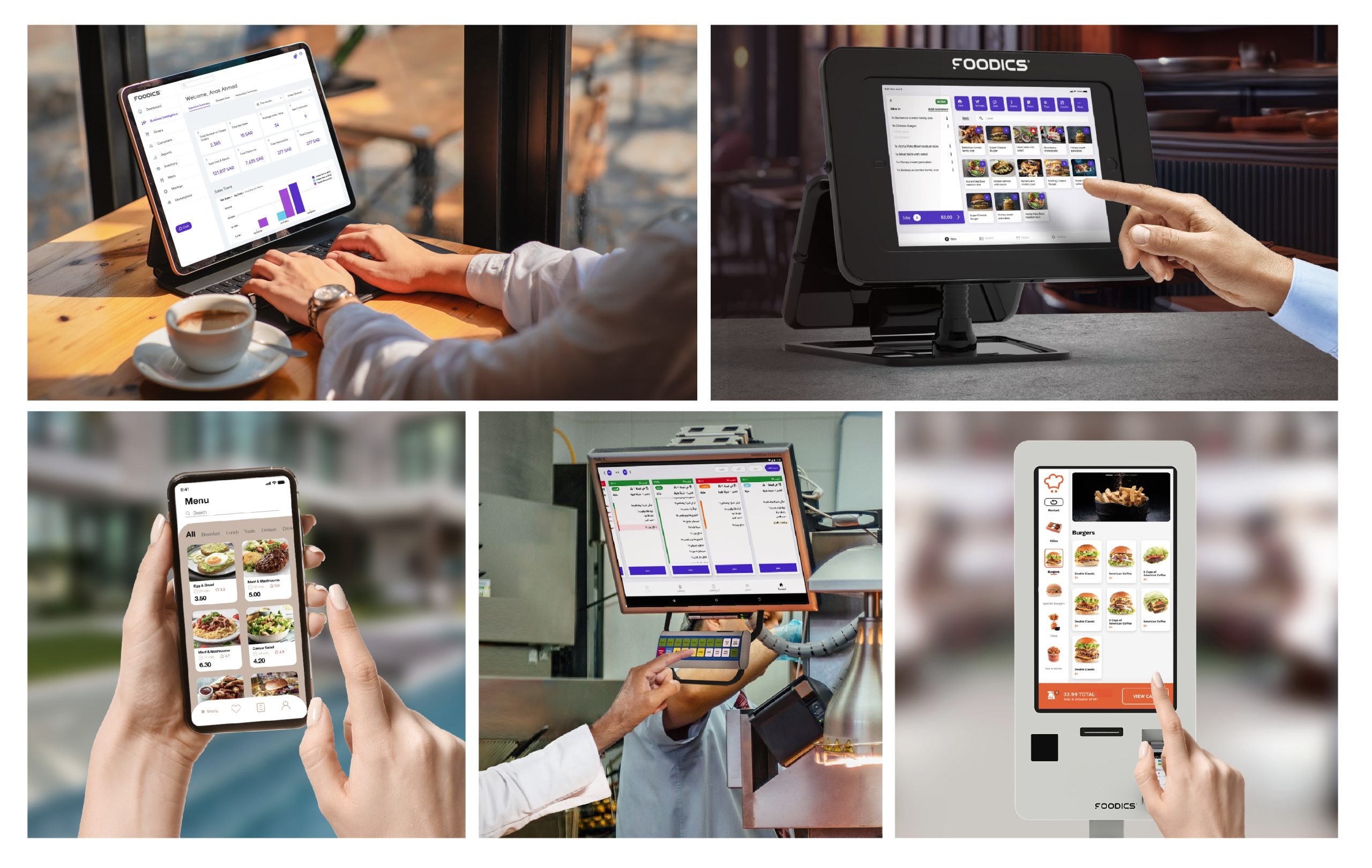
Restaurants have always juggled two competing truths: customers crave predictable value, while operators need the flexibility to protect margins when costs swing. Dynamic pricing, adjusting menu prices in response to demand, time, inventory, or costs, promises a middle way. But it only works when your restaurant ordering systems are cloud-native, connected, and intelligent.
As global inflation and supply chain “hard yakka” continue to squeeze margins, the most successful venues are turning to a tool once reserved for airlines and hotels: dynamic pricing. Thanks to the evolution of cloud-based ordering systems for restaurants, your menu can now be as fluid and responsive as the market itself.
But don’t worry, this isn’t about “surge pricing” your way out of customers’ hearts. It’s about using data intelligence to find the “sweet spot” where profit meets value.
What is Dynamic Pricing in 2026?
In the hospitality industry, dynamic pricing is the practice of adjusting menu prices in real time based on demand, inventory levels, and external factors such as weather or local events.
While the term might conjure up images of a $25 burger during a Friday night rush, the 2026 reality is much more nuanced. It’s often used to incentivise behavior. Think of it as “Happy Hour 2.0,” where your restaurant’s ordering systems automatically drop the price of a pint or a plate of wings on a slow Tuesday afternoon to keep the kitchen humming and the till ringing.
The Sentiment Shift: Research from the National Restaurant Association shows that 64% of full-service customers now say their dining experience is more important than the price of the meal itself, suggesting a growing acceptance of value-based pricing over static “cheapness.” Source: National Restaurant Association – State of the Industry 2025
1. Real-time data is the engine
Dynamic pricing needs signals such as seat occupancy, order velocity, ingredient costs, weather, local events, and even delivery demand. Cloud ordering systems aggregate all these inputs in real time. Instead of manual price changes across terminals, a single cloud dashboard pushes updates instantly to kiosks, digital menus, apps, and delivery channels.
- Why it matters: When price changes propagate everywhere at once, you avoid confusion, mismatched receipts, and customer frustration.
2. Segmented pricing keeps customers feeling understood (not tricked)
Smart operators use segmented dynamic pricing rather than blunt “surge” tactics. For example:
- Lower prices on slow weekday lulls to attract volume.
- Offer time-bound bundles for families on weekend evenings.
- Apply a small premium for immediate delivery at peak times (with transparent messaging).
This nuanced approach keeps customers onside when they see the logic. Studies and industry pilots find diners will tolerate reasonable, transparent adjustments if they perceive value or choice.
3. Centralised rules engine reduces human error
Cloud systems include a rules engine where you define triggers and guardrails: maximum uplift, items excluded from change (e.g., loyalty discounts), and times to avoid adjustments (e.g., holiday menus). Once set, the system applies rules automatically — no frantic late-night price edits.
Quick checklist for rules engines
- Can it do time-of-day rules?
- Can you exclude loyalty members or promotions?
- Is there a rollback function and audit trail?
4. A/B testing turns hypotheses into safe decisions
The cloud makes it easy to experiment. Want to test a small premium on mains for the weekend? Run it for 2 weeks at one location and compare sales, average ticket size, and customer sentiment.
Use the table below to track experiments:
| Test Metric | What to track | Success signal |
| Conversion rate | Orders per exposure | ≥ baseline |
| Average spend | $ per ticket | +2–5% without drop in orders |
| Churn | Repeat visits week-on-week | no rise |
| Feedback | Reviews/CSAT | neutral or improved |
A/B testing reduces risk and builds internal confidence to scale effective pricing levers.
5. Transparency and communication win trust
A key reason dynamic pricing can fail is poor communication. Cloud ordering systems can display context with a price: “Weekend demand – chef special at $X (includes free side)” or “Peak-hour service fee applied to support faster fulfilment.”
Small, clear messages make customers feel informed, not fleeced.
6. Loyalty integration protects your best customers
The smartest systems let you personalise pricing: loyal customers can see exclusive offers or guaranteed price protections. This preserves perceived value while allowing experimentation elsewhere.
7. Cost volatility automation keeps margins intact
When ingredient prices spike, a cloud hub can suggest margin-protecting nudges: tighten bundle discounts, temporarily suspend low-margin combos, or encourage customers to add profitable options. These automated recommendations protect margins faster than manual spreadsheets ever could.
Final Thoughts: Price With Care, Test With Data
Dynamic pricing isn’t a silver bullet; it’s a careful instrument. Cloud-based ordering systems for restaurants make that instrument precise: real-time inputs, automated rules, segmented offers, and measurable experiments. When operators pair data with transparent customer communication and loyalty protections, dynamic pricing becomes a tool for smarter revenue, not a reputational gamble.
If you’d like, I can draft a short consumer-facing script you can show at the point of sale that explains dynamic pricing in friendly terms (to help reduce backlash), or produce a vendor shortlist template tailored to cafes, QSRs, and multi-site chains.