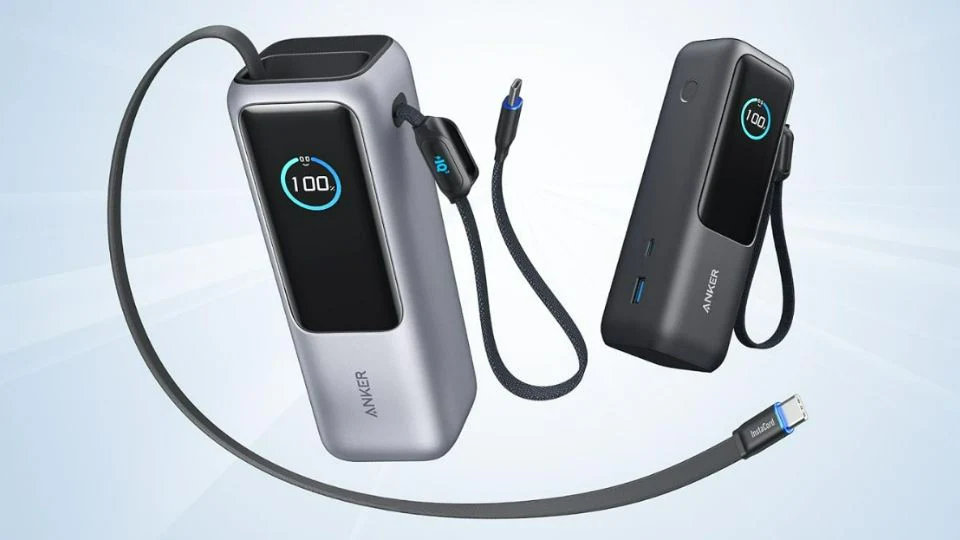
In today’s tech-driven lifestyle, staying connected is essential. Smartphones, tablets, laptops, and other devices have become critical for work, study, and entertainment, yet their battery life often struggles to keep up. This is why a portable power bank and a reliable power strip have become indispensable tools for modern users. Choosing the right products, however, requires careful consideration of capacity, features, portability, and safety to match your everyday needs. This guide will provide actionable insights to help you select the best portable power bank and power strip for home, office, and travel, ensuring that your devices remain powered whenever and wherever you need them.
Why You Need a Portable Power Bank and Power Strip
A portable power bank is a compact, rechargeable battery that allows you to charge your electronic devices on the go. Unlike traditional wall chargers, it stores energy that can be used anywhere—whether you’re commuting, traveling, or facing a temporary power outage.
A power strip, on the other hand, extends a single wall outlet into multiple sockets and often includes features like surge protection and USB ports. Power strips are essential for home offices, shared workspaces, or any environment where multiple devices need to be powered simultaneously.
Together, these two tools ensure uninterrupted device usage, whether for productivity, leisure, or emergency situations.
Key Considerations When Choosing a Portable Power Bank
Selecting a portable power bank involves evaluating several critical factors:
1. Capacity (mAh)
Battery capacity determines how much charge the power bank can store. It is measured in milliampere-hours (mAh):
- 5,000–10,000 mAh: Suitable for light use and one device, such as a smartphone or wireless earbuds.
- 10,000–20,000 mAh: Ideal for moderate users or those with multiple devices. Can fully charge most smartphones 2–3 times.
- 20,000 mAh or higher: Best for heavy users or travelers who need multiple full charges, including tablets or small laptops.
The higher the capacity, the heavier the device may be. Choose based on your usage patterns and how often you’ll carry it.
2. Charging Speed
Charging speed is vital, especially for professionals and frequent travelers. Look for:
- USB-C Power Delivery (PD): Fast-charging compatible devices efficiently.
- Quick Charge (QC): Accelerates charging for supported devices.
- Multiple Output Ports: Lets you charge more than one device at a time.
A fast and efficient portable power bank reduces downtime and ensures that your devices are ready when needed.
3. Portability and Design
The ideal portable power bank balances capacity with portability.
- Compact models: Easy to carry in a pocket, bag, or purse. Best for daily commuting.
- High-capacity models: Heavier but necessary for long trips, multiple devices, or extended power outages.
Durable casing and ergonomic design enhance usability and longevity.
4. Safety Features
Safety is non-negotiable when choosing a portable power bank:
- Overcharge Protection: Prevents damage to both devices and the battery.
- Short Circuit Protection: Guards against electrical hazards.
- Temperature Control: Maintains optimal operating temperature during charging.
Quality and safety features ensure that your portable power bank is reliable over time.
Key Considerations When Choosing a Power Strip
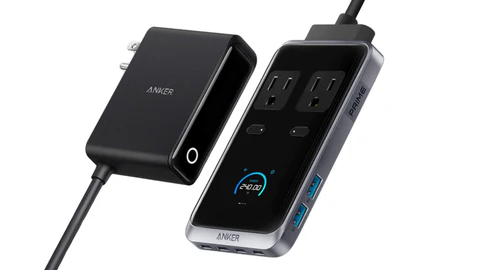
A power strip can be as critical as a power bank for daily life. Here’s what to consider:
1. Number of Outlets
Determine how many devices you need to plug in simultaneously. Power strips with multiple outlets (4–8) are ideal for home offices, living rooms, or kitchens.
2. Surge Protection
Protect your devices from voltage spikes with surge-protected power strips. This feature is particularly important for expensive electronics like laptops, monitors, and smart home devices.
3. Additional Features
Modern power strips often include:
- USB Ports: Charge phones, tablets, and smaller gadgets without extra adapters.
- Smart Features: Wi-Fi or app-enabled control for remote power management.
- Compact and Travel-Friendly Designs: Easy to carry for trips or temporary setups.
A reliable power strip ensures that multiple devices stay powered safely and efficiently.
Choosing the Right Combination for Everyday Use
When integrating a portable power bank and a power strip into your daily life, consider the following:
- For Daily Commuters: A compact, 10,000 mAh portable power bank paired with a small, surge-protected power strip at your desk is sufficient.
- For Travelers: High-capacity power banks (20,000 mAh+) combined with a multi-port travel-friendly power strip ensures devices stay charged on flights, hotels, or workspaces.
- For Home Offices: Moderate-capacity power banks for mobile devices and a robust power strip with surge protection to handle laptops, monitors, and peripherals.
By matching capacity, portability, and safety features to your lifestyle, you can ensure uninterrupted power for all your devices.
Maintenance Tips for Longevity
To get the most out of your portable power bank and power strip:
- Keep them away from extreme temperatures.
- Recharge power banks periodically even when not in use.
- Avoid overloading power strips beyond recommended limits.
- Regularly inspect cables, plugs, and connectors for wear and tear.
Proper maintenance maximizes safety and extends the lifespan of both devices.
Conclusion
A portable power bank and a power strip are essential tools for keeping your devices powered in today’s digital world. Whether for home, office, or travel, selecting the right combination of capacity, speed, safety, and portability is crucial for everyday use. For trusted, high-quality options, check the portable power bank collection for mobile charging and the power strip collection for home and office power management. Choosing the right products ensures your devices remain charged, your work remains uninterrupted, and you stay connected wherever life takes you.